
Most Spain transportation plans fail before departure because travelers book isolated pieces of a journey instead of validating the full route as one connected system. The core problem is not lack of information but the failure to check timing, transfer distance, ticket validity, and regional rule differences as a single chain of dependencies. This article gives you a practical checklist to spot those breaks before you pay.
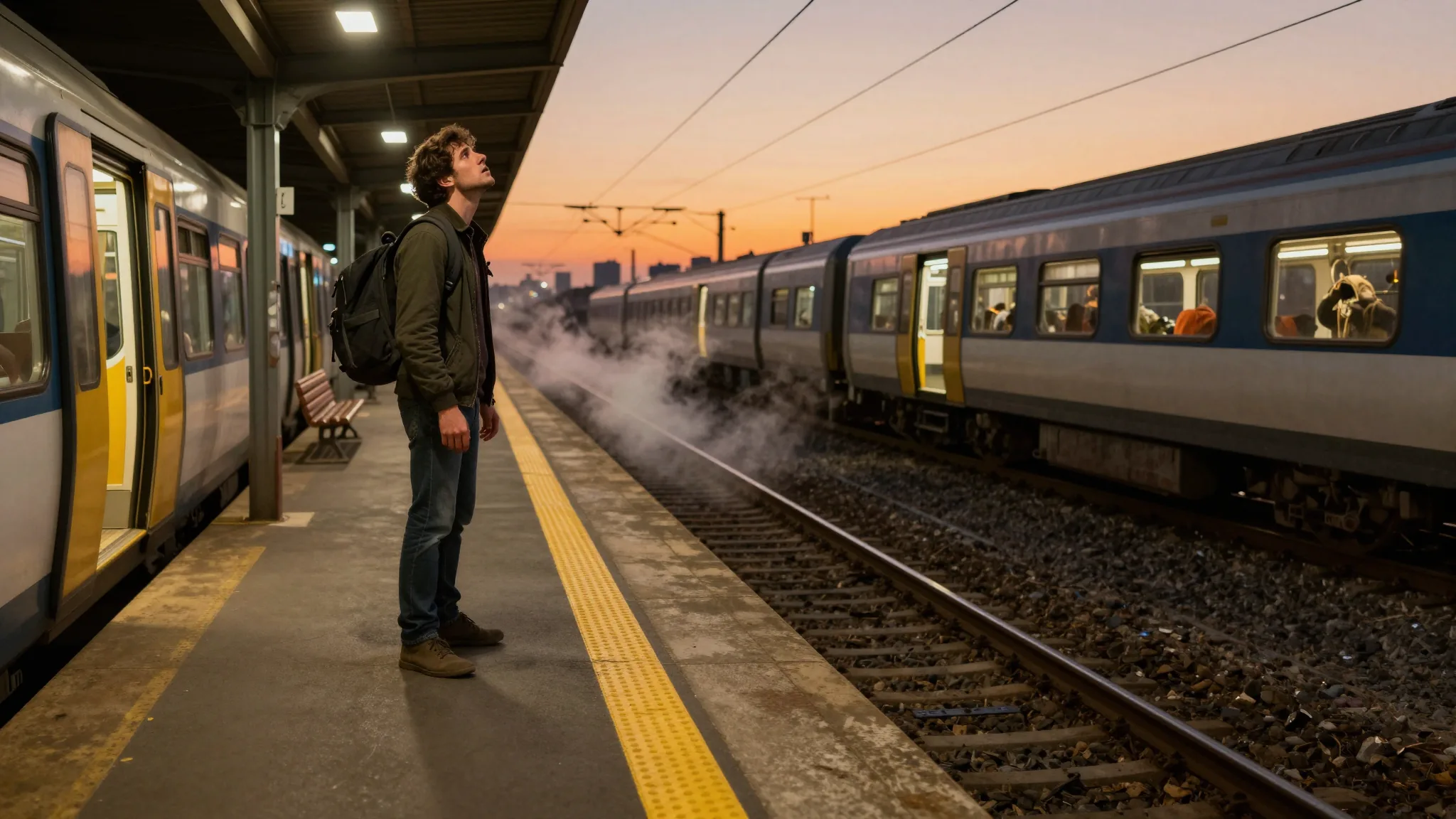
When each leg looks fine on its own but the connections are impossible, you end up stranded at a station, overpaying for emergency alternatives, or losing a day of your trip. The good news is that nearly every failure mode is preventable with a short sequence of checks performed before final booking, and the steps below walk through exactly how to do it.
Why Isolated Leg Planning Breaks the Whole Itinerary
The single most common reason Spain transportation plans fail is that travelers treat each segment as a separate purchase. A morning train, an afternoon bus, and an evening local transit ride may each be sold as valid tickets, but the plan collapses when the first delay cascades through the rest. Therefore, the first rule is to model your route as a time-dependent chain, not a list of independent bookings.

Spain’s network combines high-speed rail, regional trains, long-distance coaches, and dense urban transit systems, each with different schedules, fare rules, and cancellation policies. A traveler who books a high-speed ticket and a separate city bus without confirming the actual transfer window often discovers at the station that the connecting service has already left. Because schedules shift seasonally and some services run only on weekdays, a plan built from screenshots of past timetables can be wrong on the day you travel.
Specific Failure Patterns That Show Up Before Departure
Most failed plans share a small set of recurring patterns, and recognizing them early saves both money and time. First is the transfer gap error, where the time between two services is shorter than the actual walking or security time at the interchange. Second is the ticket validity mismatch, where a discounted fare is only valid on a specific train or bus and cannot be used on the backup you assume is interchangeable.
Third is the seasonality blind spot, where a route that runs daily in summer is reduced to weekends or suspended entirely in winter. Fourth is the zone boundary mistake in urban areas, where a single ticket covers only part of the trip and a second fare is required at an unexpected checkpoint. Fifth is the platform and entrance confusion, where two services named similarly actually depart from different stations a kilometer apart. Each of these patterns is invisible if you only compare prices.
Does a Cheap Combined Ticket Really Save You Money?
Not always, and assuming it does is one of the most frequent causes of pre-departure failure. A combined or multi-leg ticket often looks cheaper on paper, but it frequently locks you into fixed departure times, restricts refunds, and excludes substitutions if one leg is delayed. The real cost of a cheap plan is not the fare but the rigidity it imposes, which turns a minor delay into a total loss of the remaining itinerary.
Before choosing a bundled option, compare it against separately booked flexible tickets on the same route. Calculate the worst-case scenario: if the first leg is late by ninety minutes, can you still complete the trip with the bundle, or does it force you to buy an emergency replacement?
If the answer is the latter, the apparent savings disappear immediately. The practical rule is to pay for flexibility only on the segments where a delay would be catastrophic, and keep the rest budget-friendly.
A Pre-Departure Verification Checklist You Can Run in Twenty Minutes
Run the following sequence before you confirm any booking, and treat it as non-negotiable. First, write down every leg with its exact departure and arrival time, station name, and platform or entrance if listed. Second, for each connection, measure the transfer time and subtract at least twenty minutes for walking between platforms, escalators, and ticket gates. Third, check whether each ticket is bound to a specific service or is open to any service on that route.
verify that the services you rely on actually operate on your travel date, especially around holidays and winter months.
confirm the urban transit zone coverage for every city stop, and note where a second ticket will be required.
identify one realistic backup option for each critical connection, including its cost and how you would reach it if the primary service fails. Seventh, keep all confirmations and refund rules in one place so you can act quickly if something changes.
Finally, re-check the entire chain one day before departure, because schedules do update and seasonal changes sometimes appear with short notice. If any single step in this checklist fails, do not book until you have resolved it. Most Spain transportation plans fail before departure not because the traveler is careless but because no one ever ran this kind of end-to-end validation. Do it once, thoroughly, and the majority of pre-trip breakdowns simply do not happen.