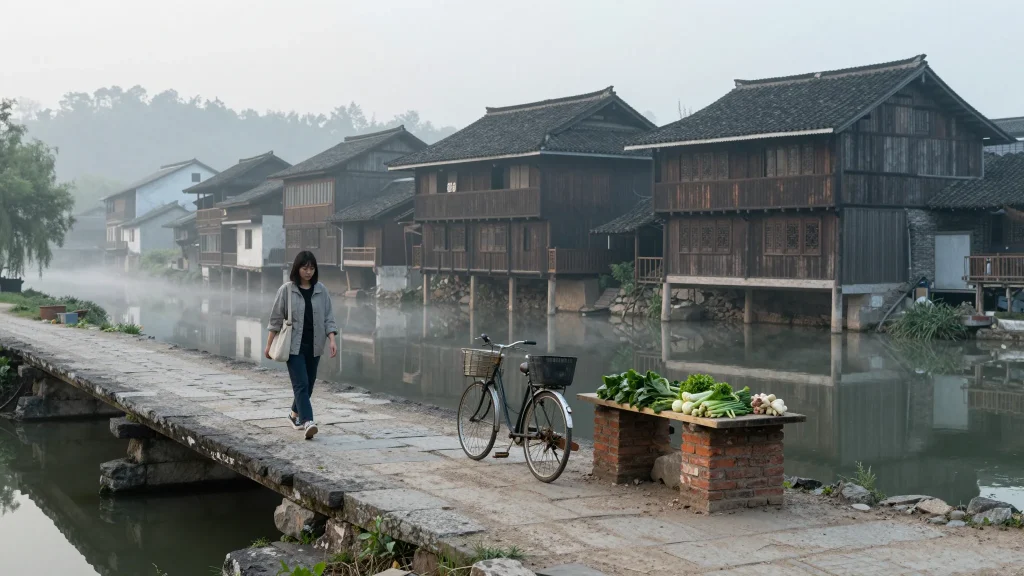
Fenghuang Ancient Town on a budget is entirely feasible for independent travelers who plan around local rhythms instead of peak-season itineraries. The core conclusion is straightforward: a three-day visit can stay within roughly 1,200 to 1,800 RMB excluding intercity rail by choosing off-river or new-town lodging, eating at neighborhood stalls, and visiting most sites during free-entry windows. The biggest savings come from avoiding the most photographed riverfront corridor during peak hours and booking accommodations with basic but reliable facilities rather than premium river views.
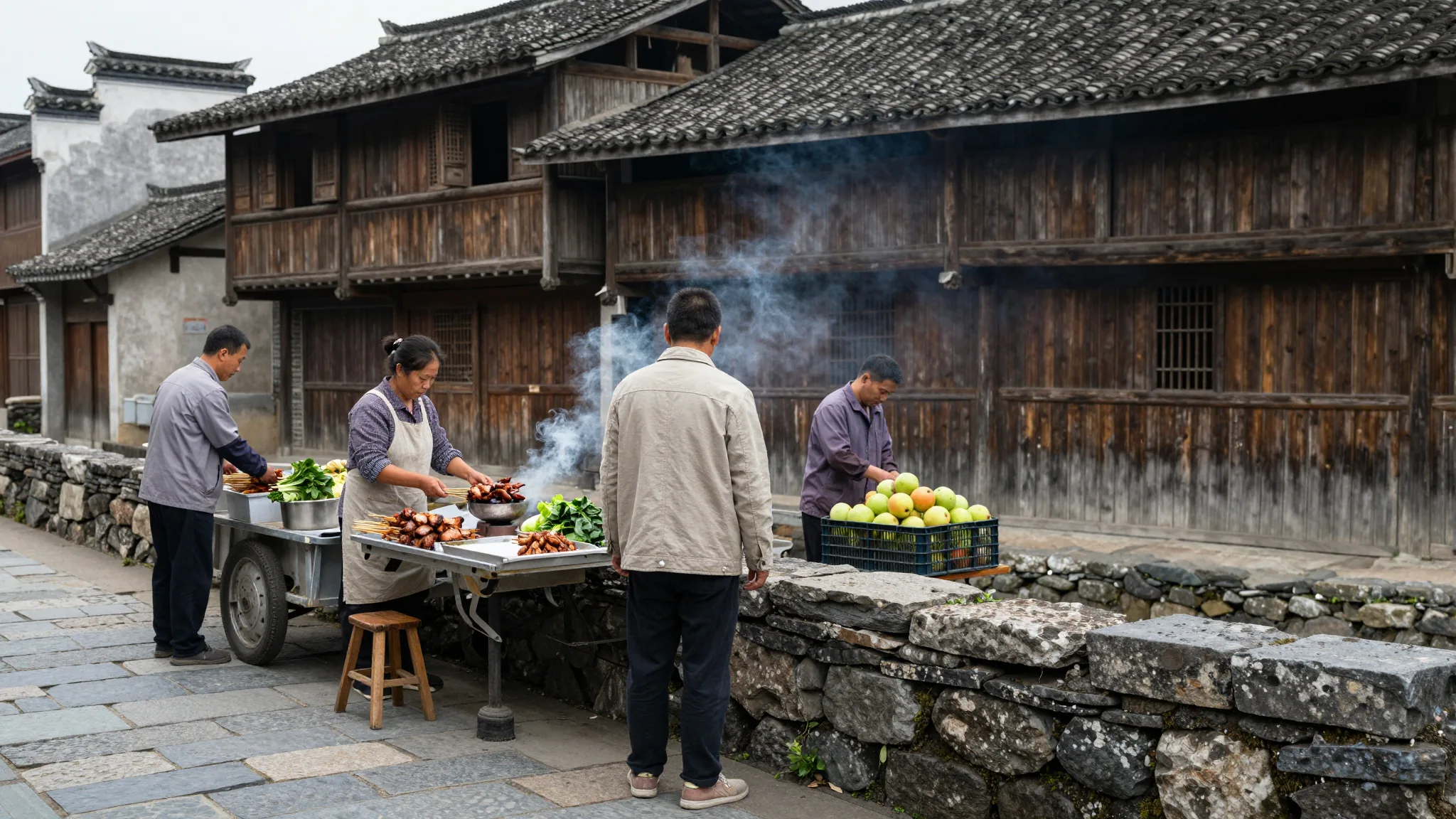
This guide treats the trip as an operational problem: where to stay, what to pay for, what to skip, and how to avoid the mistakes that quietly inflate costs. The sections below break down causes of overspending, practical steps for budget control, risks of cutting too deep, and a closing decision framework you can apply before departure.

Why Budget Travelers Overspend in Ancient Town Destinations
Most overspending in places like Fenghuang Ancient Town does not come from one expensive meal or ticket;
it accumulates through small convenience choices. Travelers pay a premium for proximity to the river, for rooms with balconies overlooking lantern-lit water, and for lodging inside the most walkable part of the old town. These locations are scenic, but they also carry a density premium because they serve the largest share of visitors.
time visitors often buy convenience in the wrong places. Street vendors near main bridges, riverbanks, and photo hotspots charge more for simple snacks and crafts than stalls deeper in residential lanes.
many travelers assume every attraction requires a ticket. In practice, much of the ancient town is free to walk, while paid experiences are concentrated in specific courtyards, museums, or guided activities.
How to Structure a Low-Cost Three-Day Visit
The most effective budget structure separates the trip into three cost layers: lodging, daily food, and paid activities. Lodging should be capped at 300 to 500 RMB for the full stay by choosing a clean guesthouse or hostel outside the densest old-town core. These places often provide shared kitchens, lockers, and reliable Wi-Fi while charging less than riverfront boutique properties.
Daily food should be planned around 150 to 200 RMB per day. Start each morning with noodles or rice dishes from local eateries, eat a substantial midday meal at a neighborhood restaurant, and keep evening snacks minimal. Transport and entry fees can usually stay under 100 RMB if you walk the old town, use local buses for longer distances, and limit paid attractions to one or two high-value stops. The remaining 100 to 200 RMB covers small purchases, laundry, and one optional cultural activity.
What Risks Come With Cutting Costs Too Aggressively?
Aggressive budgeting introduces predictable risks. The most common is fatigue: walking long distances in narrow streets without breaks reduces enjoyment and increases the chance of buying unnecessary refreshments later. Another risk is isolation from the town’s atmosphere. Lodging far outside the walls can mean longer walks in the evening, especially if public transport is limited after dark.
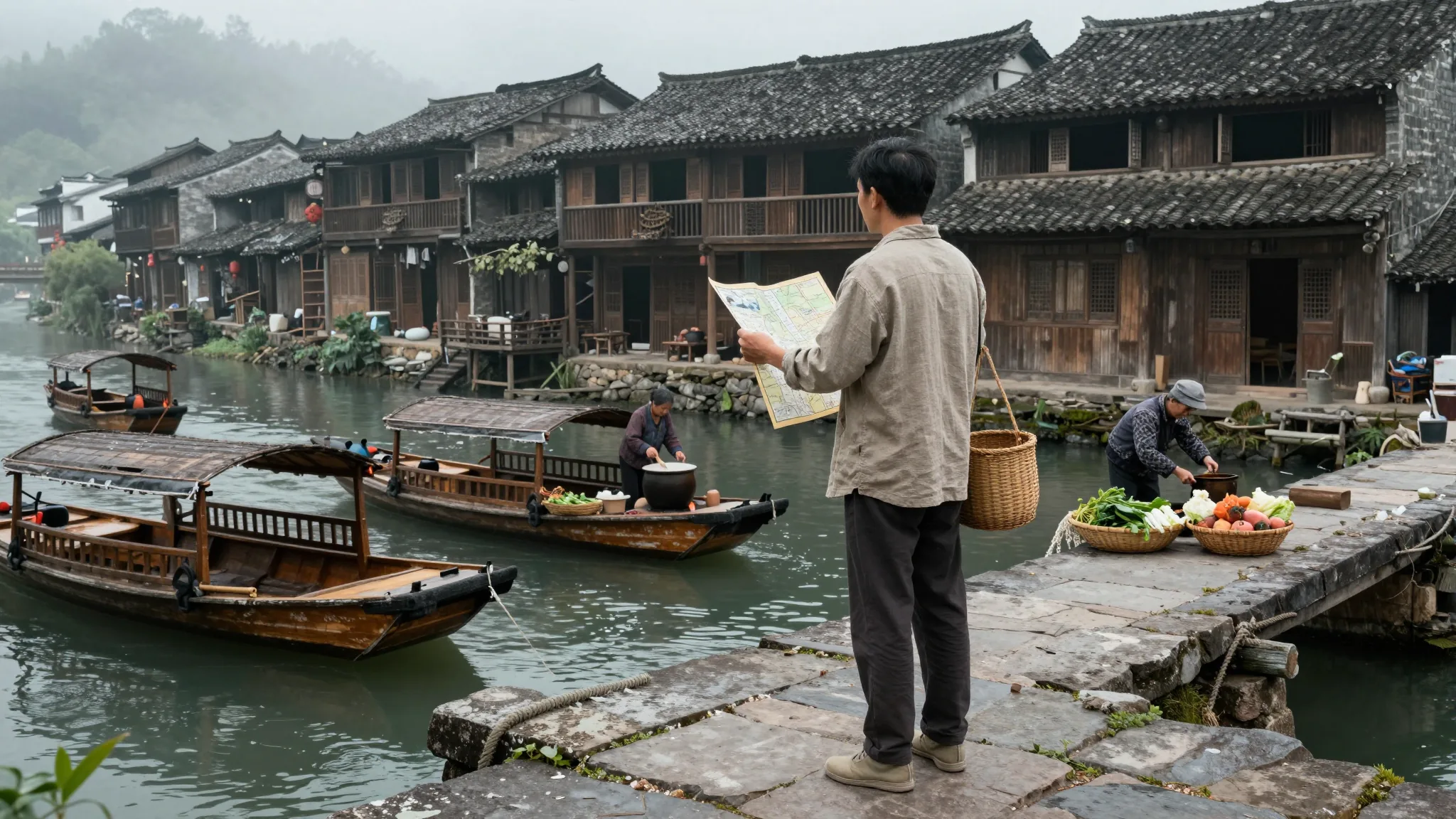
There is also a quality risk. Extremely cheap rooms may lack hot water, stable heating, or soundproofing, which can turn a scenic trip into a stressful one. Finally, skipping all paid experiences can flatten the cultural depth of the visit. A single well-chosen ticket, such as a traditional craft workshop visit or a small museum entry, often adds more value than several unplanned purchases at souvenir stalls.
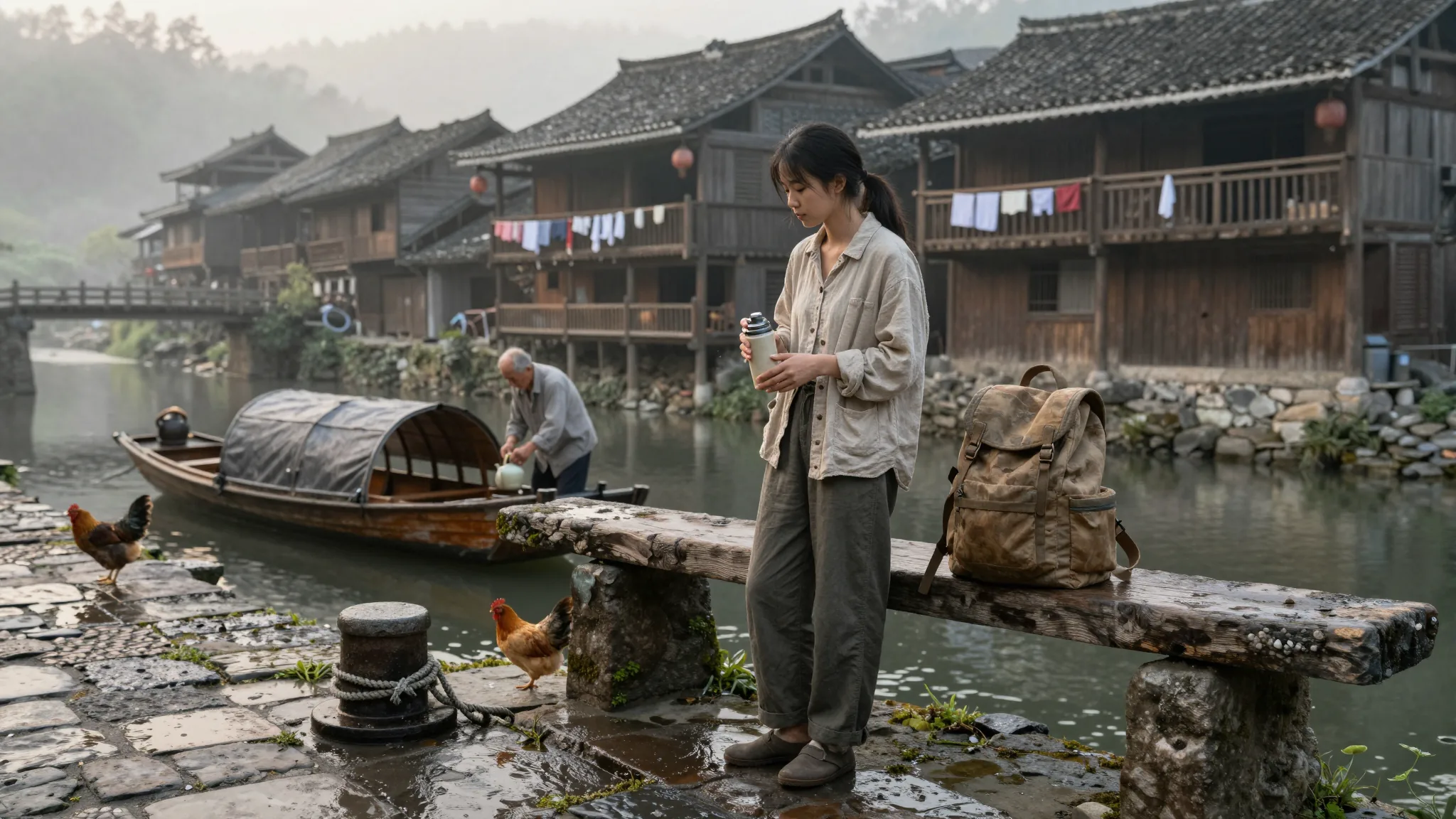
How Much Should a Budget Trip Really Cost, and What Should You Prioritize?
A realistic budget trip to an ancient town like this one should target 1,200 to 1,800 RMB for three days excluding intercity rail. Within that range, prioritize lodging quality and food consistency over scenic room views. A basic room two to three minutes from the river costs less and still preserves access to the main sights. Prioritize free walking routes during daylight, then spend limited money on one memorable evening experience or craft visit.
Finally, avoid the three mistakes that most first-time visitors repeat. Do not book only the most photographed riverfront hotels, do not buy snacks only at the busiest bridges, and do not assume every courtyard requires a ticket. By applying these rules, you keep the trip affordable without sacrificing the experience that makes ancient town travel worthwhile.