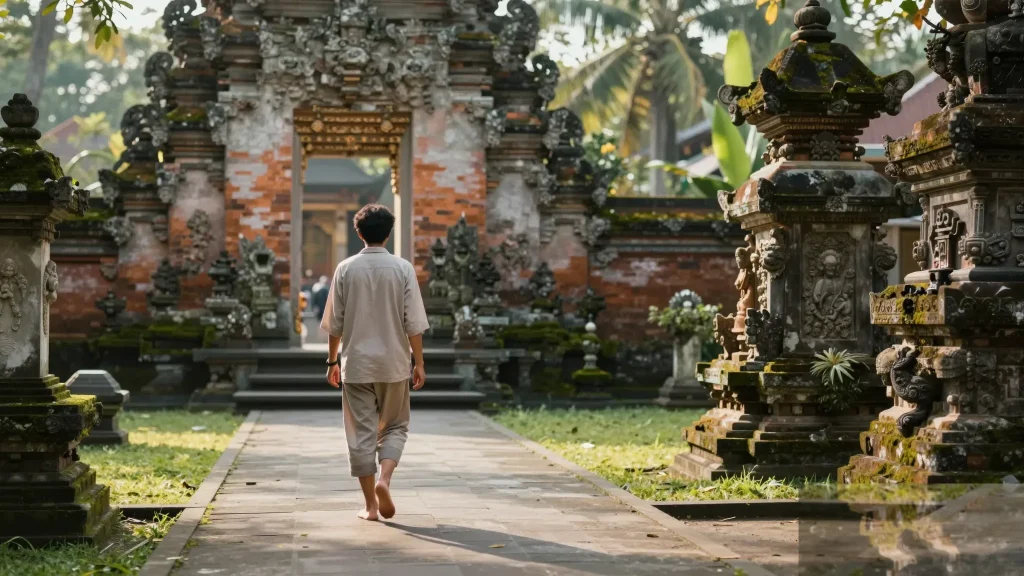
A successful temple 3 day itinerary depends less on how many shrines you cram in and more on how you pace the spiritual, walking, and rest blocks across 72 hours. Travelers who fail to sequence their days usually end up exhausted, dehydrated, or stranded mid-circuit with closed gates. The fix is a deliberate framework: pick one anchor complex, build two contrasting half-days around it, and reserve the final day for a quieter side pilgrimage. Below is the framework I use to keep every three-day temple journey calm, complete, and rewarding.
Why Most Three-Day Temple Plans Collapse Before Lunch
The hidden risk is energy mismatch, not distance. Temples demand early starts, dress codes, and long intervals of standing or barefoot walking. First-time visitors often copy a route that looks efficient on a map but actually stacks three major complexes back-to-back. By the second morning, fatigue, sun exposure, and strict dress enforcement turn the trip into a slog. Another silent failure mode is transport fragmentation: assuming local buses or shared taxis will line up perfectly with opening hours, then discovering that the third site closes for rituals between 11:00 and 14:00. Finally, many itineraries forget that temple grounds are not just sightseeing stops. They are active religious sites, and behavior missteps can lock you out of inner sanctums for the rest of the day.
How Should You Pace a Three-Day Temple Pilgrimage?
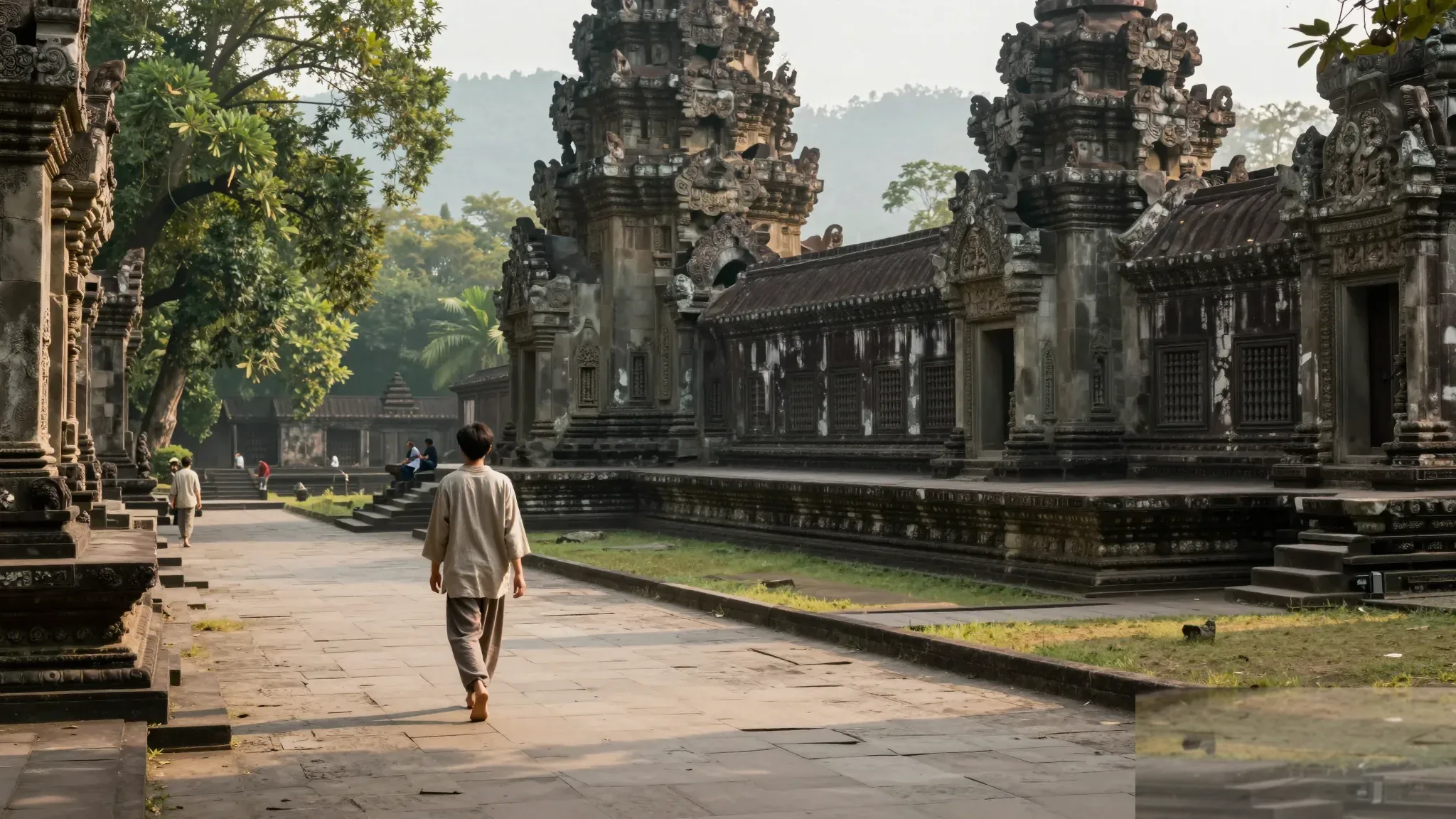
The smartest move is the two-one rhythm. Use Day 1 and Day 2 as your main exposure days, separated by a midday break of two to three hours back at your hotel. On Day 1, arrive at the anchor temple in the late morning, spend the afternoon exploring the outer courtyards and museum, and stay for sunset rituals if available. On Day 2, return at dawn for the morning prayer and circumambulation when the air is cool and the crowd is thin. Keep Day 3 for a smaller, contrasting site. A hilltop shrine, a riverside ghat, or a forest monastery works well because it changes the physical rhythm and gives your legs a different kind of challenge.
- Morning: 06:00–10:00 main rituals and quiet photography
- Midday: 10:00–14:00 retreat, lunch, rest, laundry
- Late afternoon: 15:00–18:00 secondary shrine or cultural show
- Evening: aarti or sound ceremony, then early dinner
What Are the Real Risks Most Travelers Underestimate?
Dress codes are the top filter. Shoulders and knees must usually be covered, and many main sanctums require a sarong, sash, or rented wrap. Showing up in shorts or sleeveless tops means you will only see the outer walls. Heat and hydration are the second risk, especially at sun-exposed stone complexes where shaded rest areas are scarce. Carry two liters of water per person, electrolytes, and a microfiber towel. The third risk is photographic: flash is banned in inner shrines, tripods often require a ticket, and drones are almost universally prohibited without a permit. The fourth risk is timing. Festival dates shift every lunar year, so a temple that is quiet in one season can become impassable in another. Always cross-check the local festival calendar the week you travel.
How Do You Build a Concrete Day-by-Day Plan That Actually Works?
Start by choosing a single anchor temple and verifying its core opening hours, ritual schedule, and dress code. Then layer the remaining days around three guiding principles: contrast, recovery, and depth. Contrast means mixing architectural styles, so the eye stays interested. Recovery means inserting a low-effort block after every high-effort block. Depth means spending at least ninety minutes in one place rather than rushing through five. Use this template as a base.
Day 1 is arrival and orientation. Land by midday, check into a guesthouse within walking distance of the main site, and use the late afternoon for the outer perimeter, museum, and viewpoint. Eat dinner where pilgrims eat, not where tourists eat;
the food is usually fresher, cheaper, and culturally richer. Day 2 is the full pilgrimage. Wake before sunrise, walk to the temple, and arrive before the gate opens. Spend the morning inside, then return to your room for a real lunch and a nap. In the late afternoon, visit a secondary shrine within the same cultural cluster, ideally one connected by a short auto ride rather than a long drive. Day 3 is the contemplative close. Choose a smaller monastery, a meditation hall, or a nature-linked shrine. End the day with a sunset ritual or a quiet walk along a sacred river, then a slow dinner reviewing your notes and photos.
What Should You Pack and Pre-Book Before You Go?
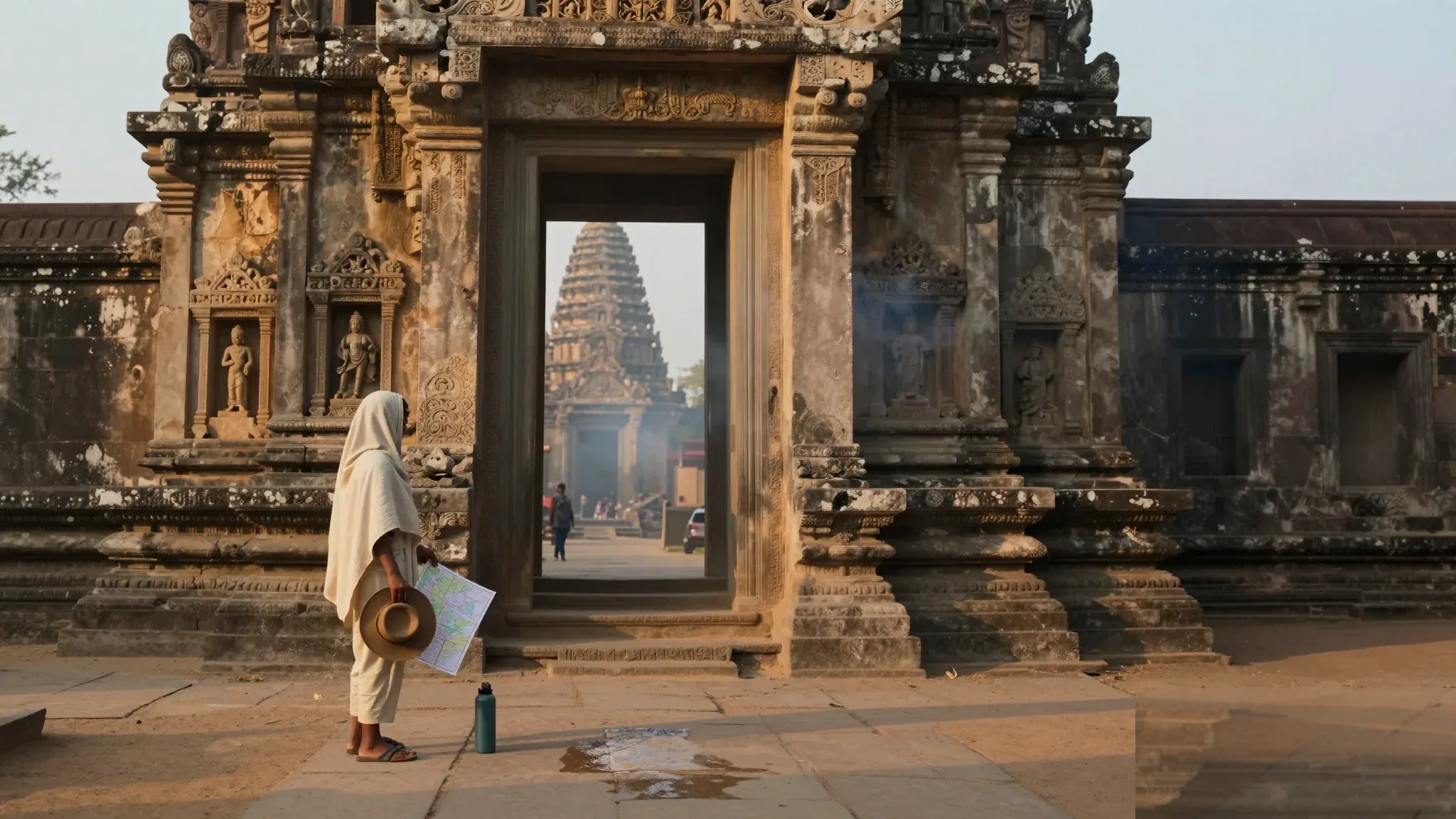
Pack light cotton layers that cover shoulders and knees, slip-on sandals that are easy to remove at thresholds, and a wide-brimmed hat for midday queues. Bring a reusable water bottle, a small first-aid kit, and a printed copy of the temple map because phone signals often drop inside walled compounds. Pre-book accommodation within a ten-minute walk of the main complex. Pre-arrange a trusted driver for the full three days if your itinerary includes rural shrines, rather than relying on last-minute cabs. Finally, learn five polite phrases in the local language: good morning, thank you, may I enter, where is the shrine, and please forgive me. Those five words will open more doors than any guidebook.
How Do You Recover When Day Two Goes Wrong?
If you arrive at the gate and find it closed for a private ceremony, do not push. Walk the surrounding lanes instead;
temple towns are designed for slow wandering, and the smaller shrines along the way often host the same rituals in a more intimate setting. If heat exhaustion hits, abandon the plan, return to your room, and shift your main visit to the cooler late afternoon. If your transport fails, hire a local guide who drives his own scooter or moped;
they know every shortcut and can adjust on the fly. The goal of a temple 3 day itinerary is not to check boxes. It is to leave with a clear mind, a rested body, and a few experiences that stay with you long after the trip ends.