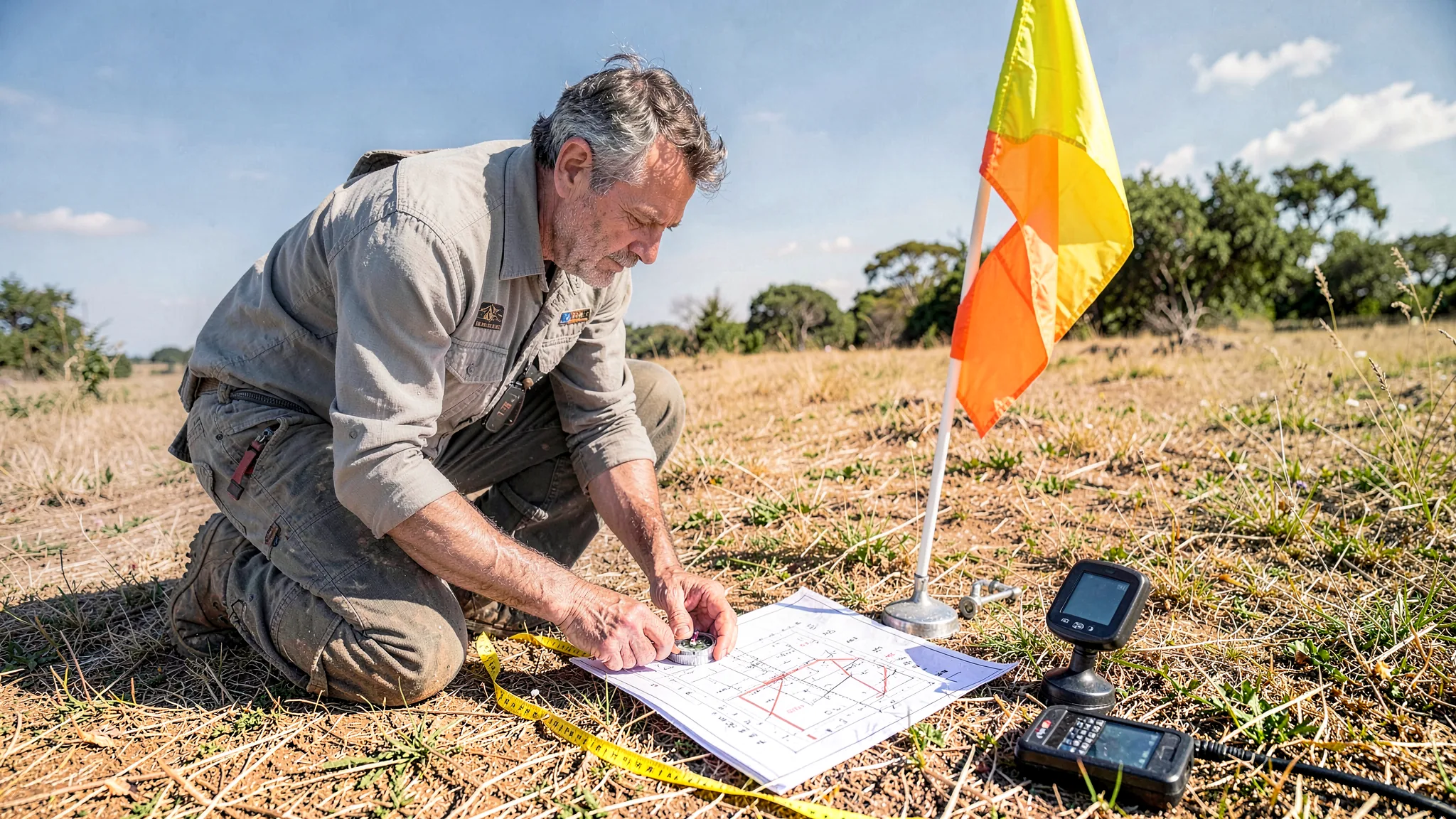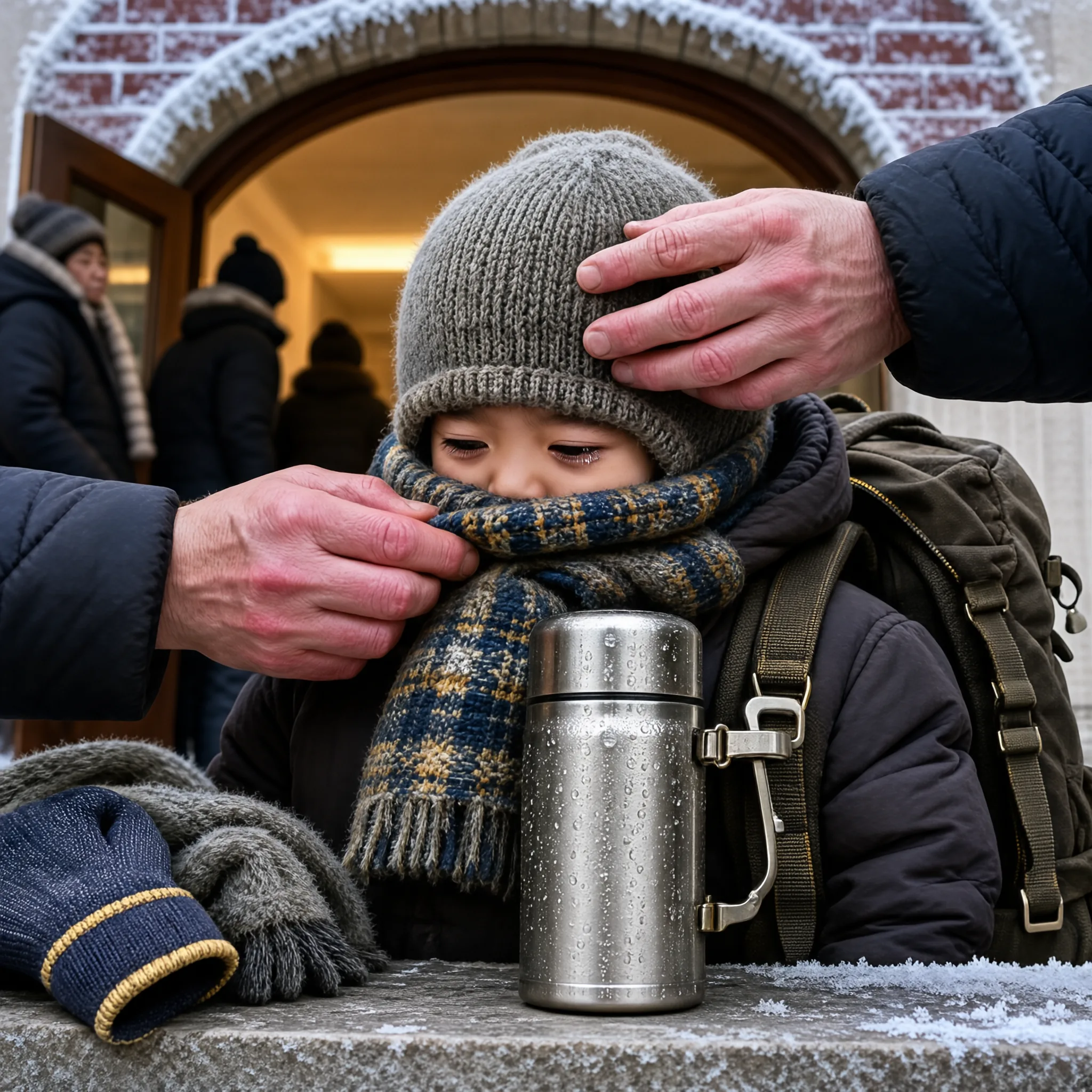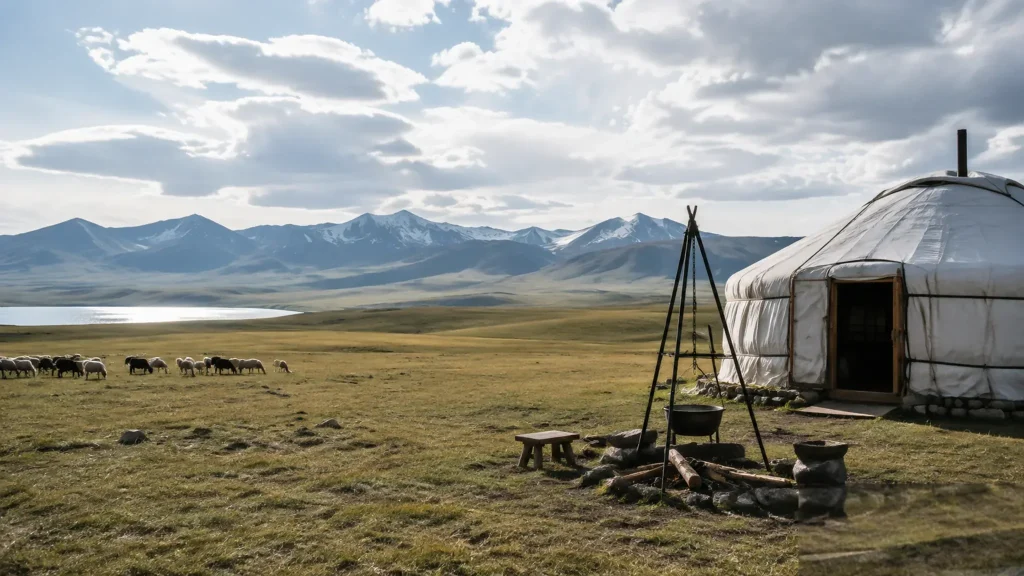
For nomadic travel in a region with harsh weather, the core of packing is balancing warmth, mobility, and repairability rather than maximizing quantity. The most reliable approach is to build a layered clothing system, carry weatherproof outer layers, and include modular accessories that can be adjusted as conditions change from day to night. Travelers who prepare around these principles reduce exposure to hypothermia, wind chill, and fatigue caused by poorly chosen gear.
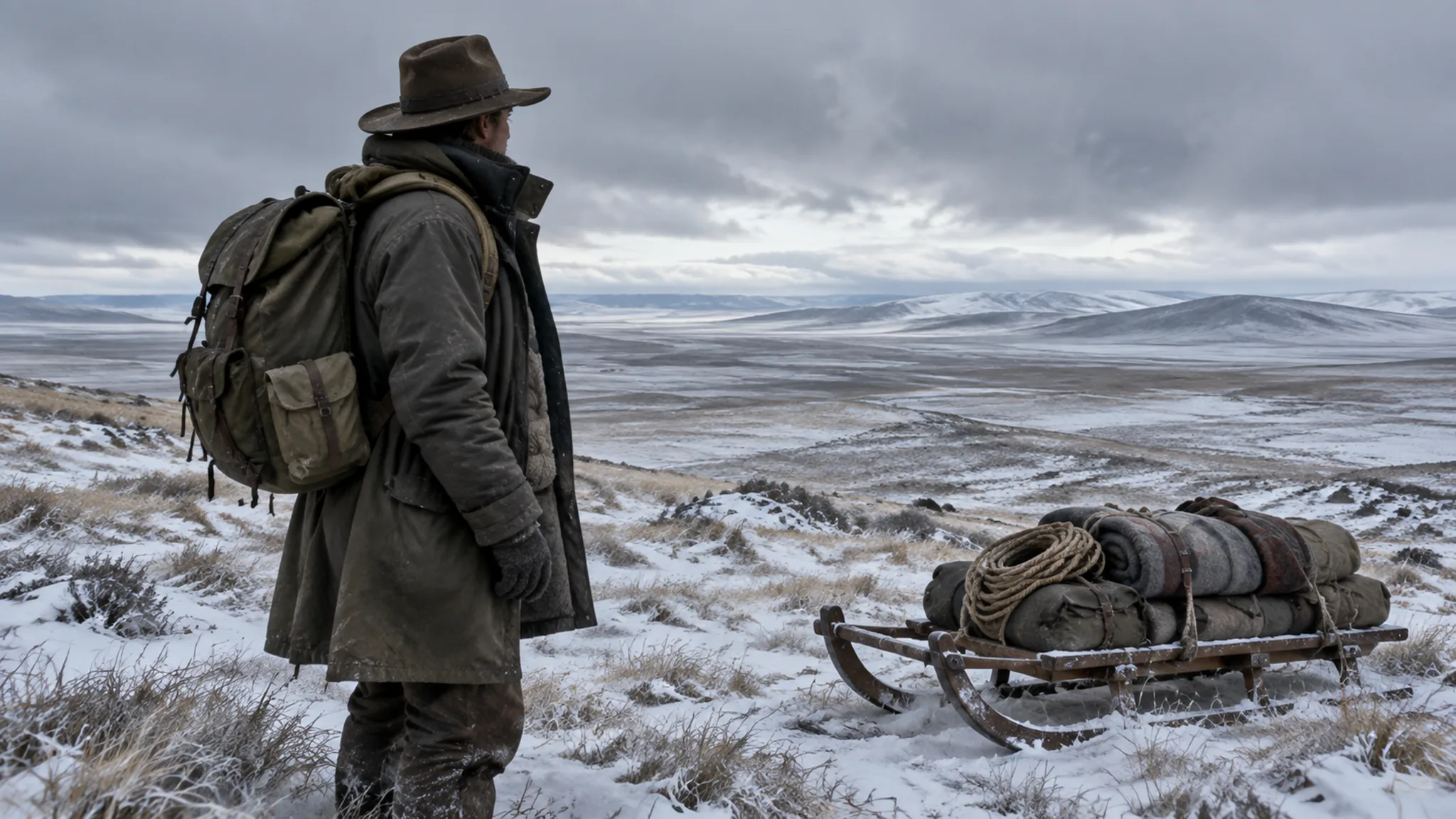
This guide focuses on practical packing decisions that work across changing temperatures, long travel days, and limited access to resupply. It explains why certain items are essential, how to prioritize them, and what risks emerge when the list is incomplete. The goal is a short, actionable checklist that supports safe, flexible movement without overloading your pack.
Why Harsh Weather Changes the Packing Logic
Harsh weather does not simply mean cold. It often combines low temperatures, strong wind, precipitation, and rapid shifts between conditions, which means a single garment rarely performs well for the whole day. The packing logic must therefore shift from comfort-focused choices to performance-focused ones, where each item serves a specific function and can be added or removed without creating excess bulk.
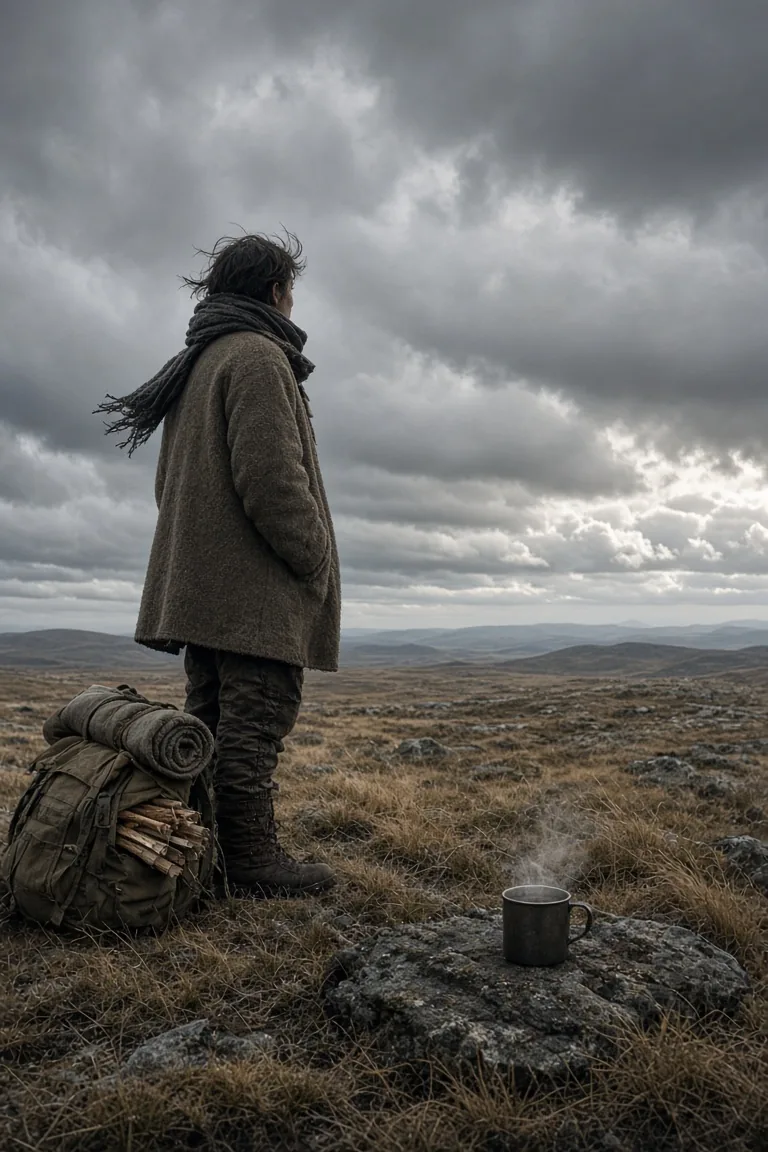
Because nomadic travel adds another layer of complexity, gear must also be durable, easy to clean, and resistant to damage from repeated movement, dust, and moisture. A jacket that looks good but tears easily at the seams will fail when you are far from services, and a soft bag that absorbs water will compromise everything stored inside it. The result is a list built around function first, aesthetics second.
The Core Packing List for Variable Conditions
Start with a base layer made of moisture-wicking material that keeps skin dry during movement and does not retain sweat when you stop. Above that, add an insulating mid-layer that can be worn alone on milder days and combined with outer layers on colder ones. The outermost layer should be windproof and water-resistant, with a hood and sealed seams, because it is the barrier that protects you from the worst conditions.
For lower-body protection, pack trousers that are wind-resistant, quick-drying, and strong enough for rough terrain. Footwear should have stiff support, traction, and waterproofing, since wet or unstable footing is a common source of injury on extended travel. Finally, include gloves, a warm hat, and a neck covering, because exposed areas lose heat fastest and are often overlooked until it is too late.
- Base layer, mid-layer, and waterproof outer shell
- Durable trousers and waterproof footwear
- Gloves, warm hat, and neck gaiter
- Compact sleeping bag liner or emergency blanket
Accessories such as a small headlamp, a repair kit, and a compact first-aid pouch round out the list. These items are small but high-value, especially when conditions force you to adapt overnight or repair gear in the field.
How to Pack Light Without Losing Protection
Light packing does not mean leaving out essentials. It means choosing items that perform multiple roles and compress well. A merino base layer, for example, resists odor and retains warmth when damp, which reduces the need to carry more than one. A windproof shell can also serve as a rain layer, and a compact insulated vest can be added or removed quickly without disrupting movement.
Organization matters as much as selection. Keep weather-critical items near the top of your pack so they are accessible without unpacking everything, and store fragile items in a padded inner pocket. Use compression straps or a stuff sack system to keep the load stable, because a shifting pack causes fatigue and increases the risk of dropping gear on uneven ground.
What to Do When Conditions Are Worse Than Expected?
When weather is worse than forecast, your response should be to reduce exposure, not to push through. Move to shelter as soon as it becomes available, add insulation layers even if you feel only mildly cold, and avoid removing clothing to “cool off” unless you are truly overheating. If you have an emergency blanket or a sleeping bag liner, deploy it immediately to trap body heat and slow heat loss.
If you are stuck waiting out a storm, stay dry above all else. Wet insulation loses most of its ability to trap heat, so prioritize keeping your core and extremities dry using your shell, gloves, and hat. Once conditions improve, inspect your gear for damage, dry everything thoroughly, and adjust your route or schedule before moving on.
Risks of Incomplete Packing and How to Mitigate Them
The main risk of an incomplete list is not discomfort but rapid deterioration of physical condition. Cold exposure can progress quickly when wind and moisture are present, and fatigue from poor gear choices compounds the problem by reducing judgment and reaction time. Travelers who under-preserve often make decisions late, when options are already limited.
Secondly, damaged or inadequate gear increases the chance of injury, especially on rough or uneven terrain. A shoe that slips on wet surfaces, a bag that leaks, or a jacket that tears all shift the balance from travel to survival. To mitigate these risks, pack redundantly for critical functions, carry a small repair kit, and test gear before departure so you know how it behaves in real conditions.
Finally, the most effective mitigation is planning around adaptability rather than perfection. Build a list that can be adjusted in the field, choose items that are easy to replace if one fails, and keep a short emergency checklist separate from your main gear. This approach keeps you prepared without carrying unnecessary weight, and it supports safer decisions when conditions change faster than expected.
Putting it all together, the practical answer is to pack a layered clothing system, a weatherproof outer shell, durable footwear, and a small set of repair and emergency items. Travelers who follow this structure reduce the impact of harsh weather and maintain flexibility across long, changing routes. The result is not a heavier pack but a smarter one, designed around protection, adaptability, and real-world performance.