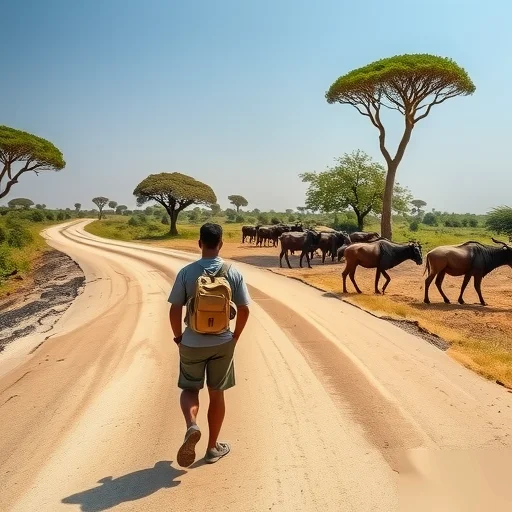
Traveling to Africa can be an unforgettable experience, but it’s also a complex journey that requires careful planning. If you’re wondering how to explore Africa safely and affordably, the answer lies in thorough preparation, understanding local cultures, and choosing the right destinations. This guide will walk you through the essential steps to make your African adventure both enjoyable and stress-free.
Africa is a continent of contrasts, from the vast deserts of the Sahara to the lush rainforests of the Congo, and from the bustling cities of Cairo to the serene beaches of Zanzibar. However, navigating this diverse landscape requires more than just a suitcase and a passport. You need to understand the local customs, the best times to visit, and how to stay safe in unfamiliar environments. The key to a successful African trip is preparation—researching your destination, packing appropriately, and respecting the local culture.
One of the most important aspects of planning an African trip is understanding the visa requirements. Many countries in Africa require visitors to obtain a visa in advance, and some even offer visa-on-arrival options. It’s essential to check the specific requirements for your destination country and ensure you have all the necessary documents, such as a valid passport and proof of return travel. Additionally, some countries may require a yellow fever vaccination certificate, so it’s important to consult with a healthcare professional before your trip.
Another crucial step is researching the best time to visit. Depending on the region, the best time to travel can vary significantly. For example, in East Africa, the dry season from June to October is ideal for wildlife safaris, as animals tend to gather around water sources. In contrast, the wet season can make some areas difficult to access and may limit the number of activities you can enjoy. Similarly, in North Africa, the best time to visit Morocco or Egypt is during the spring or autumn months, when the weather is more comfortable and tourist crowds are smaller.
When it comes to budgeting, Africa offers a wide range of options to suit different travel styles. From luxury lodges in Kenya to budget-friendly hostels in Cape Town, there’s something for every traveler. However, it’s important to plan your expenses carefully. Accommodation, transportation, and local activities can vary significantly from one country to another. Booking in advance and comparing prices can help you save money while ensuring a comfortable stay. Additionally, using local transportation options such as buses, trains, or shared taxis can be both cost-effective and an excellent way to experience the local culture.
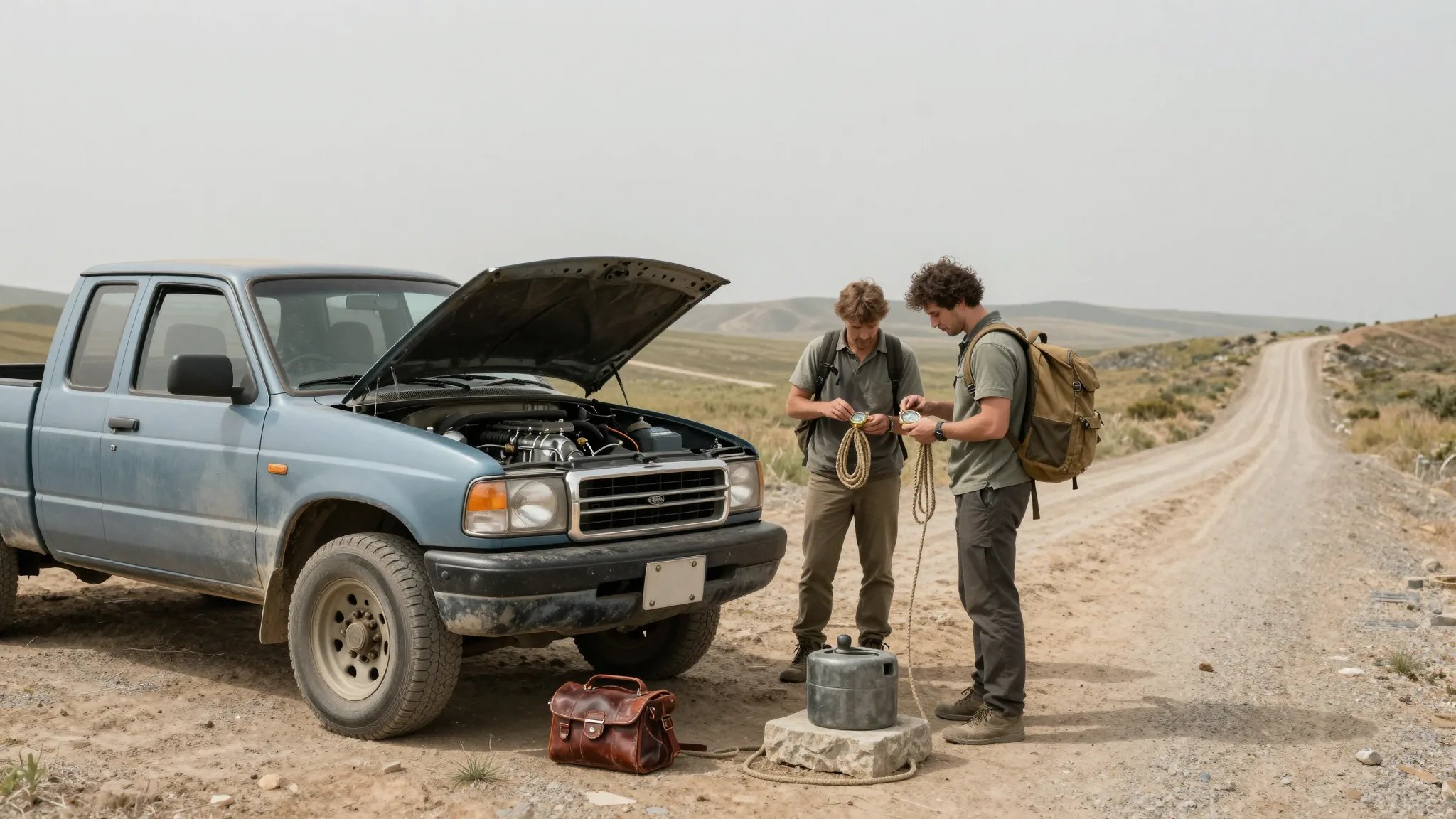
Safety is another critical consideration when traveling in Africa. While the continent is home to some of the most beautiful and adventurous destinations, it’s important to be aware of potential risks. Researching the safety of your destination, staying informed about local conditions, and taking necessary precautions can help you avoid unnecessary dangers. It’s also a good idea to travel with a trusted group, keep your belongings secure, and avoid isolated areas, especially at night.
To illustrate how these principles can be applied, let’s look at a real example. A traveler planning a trip to Kenya might start by researching visa requirements and booking a safari tour in advance. They would then research the best time to visit, ensuring that they travel during the dry season for optimal wildlife viewing. When it comes to budgeting, they might choose a mid-range lodge that offers good value for money and includes guided tours. For safety, they would stay in reputable accommodations, avoid risky areas, and keep their valuables secure. By following these steps, they can enjoy a safe and memorable African adventure.
In addition to these practical considerations, it’s important to approach your African journey with an open mind and a respectful attitude. Africa is a continent rich in history, culture, and natural beauty, and learning about its people and traditions can greatly enhance your travel experience. Engaging with local communities, supporting local businesses, and being mindful of cultural norms can help you build meaningful connections and create lasting memories.
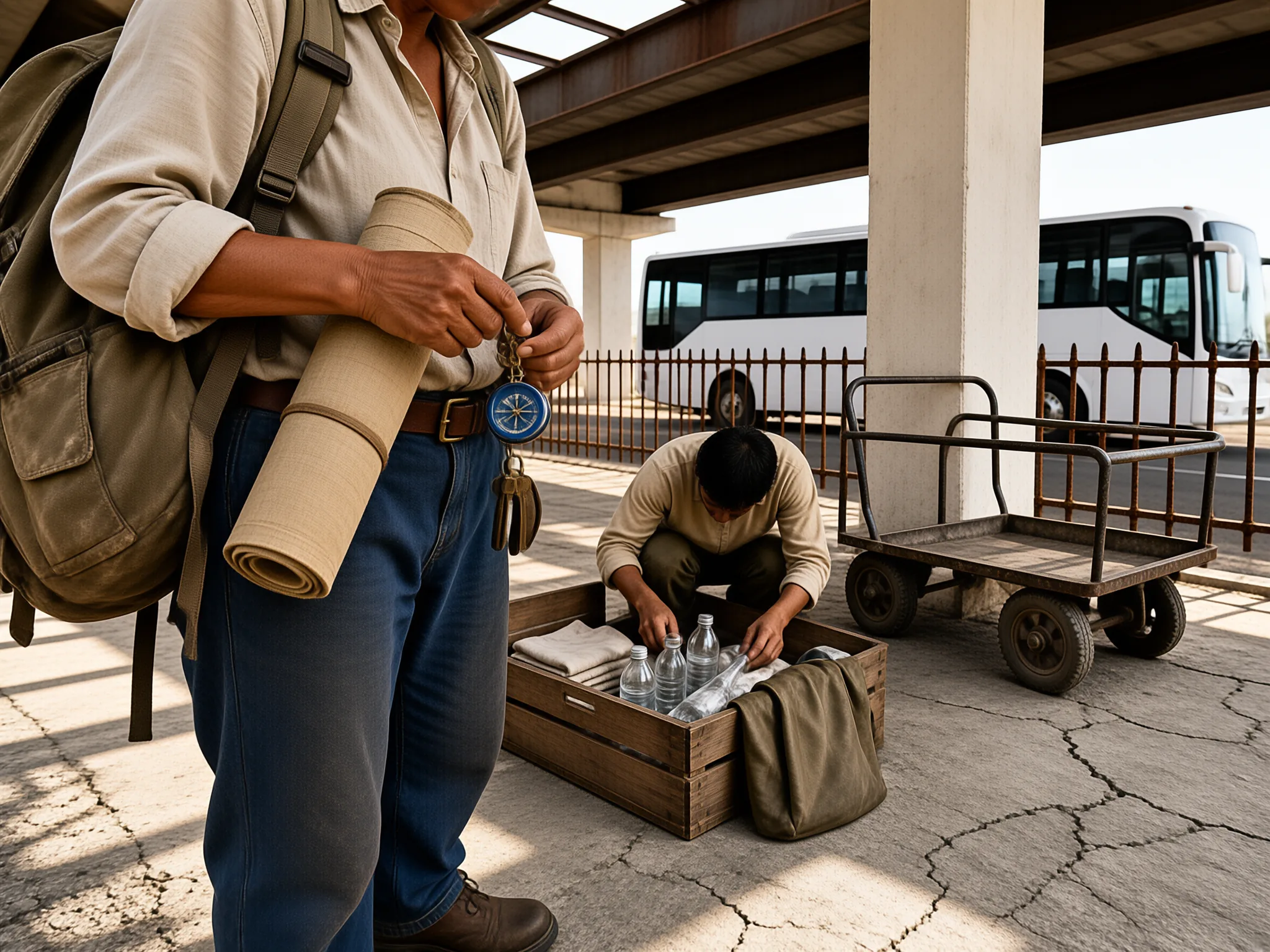
Finally, don’t forget to pack appropriately for your trip. Africa’s climate can vary widely, so it’s important to bring clothing that is suitable for the local weather. Lightweight, breathable fabrics are ideal for warmer regions, while a light jacket or sweater may be necessary for cooler mountain areas. Additionally, packing essential items such as a reusable water bottle, insect repellent, and a first-aid kit can help you stay prepared for any situation.
By following these guidelines, you can ensure that your African adventure is both safe and affordable. With proper planning, research, and respect for the local culture, you’ll be well on your way to experiencing the wonders of this incredible continent.
[Comment




Comments
Anonymous
I've always wanted to visit Africa but didn't know where to start. This article provides a clear and helpful overview, making the idea of traveling there more exciting and achievable.
Anonymous
Africa is such a diverse and beautiful continent, and this guide seems like a great resource for first-time visitors. I'm planning a trip and this will definitely help me prepare.
Anonymous
I'm a bit nervous about safety and costs, but this guide looks like it covers all the essentials. I'll definitely be referring back to it as I plan my trip.
Anonymous
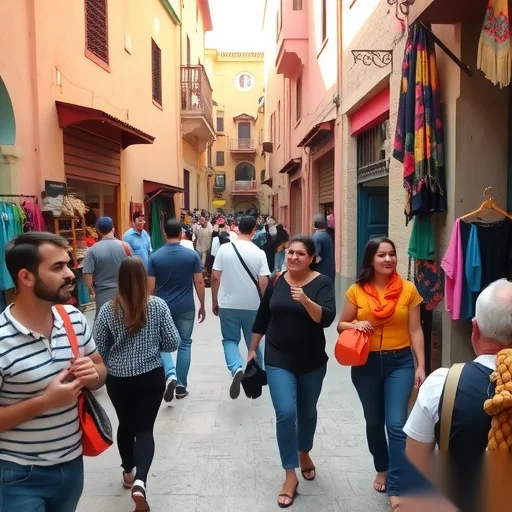
The photos in the article really capture the essence of Africa. I can already imagine the adventure waiting for me in the Serengeti and the bustling markets of Marrakech.