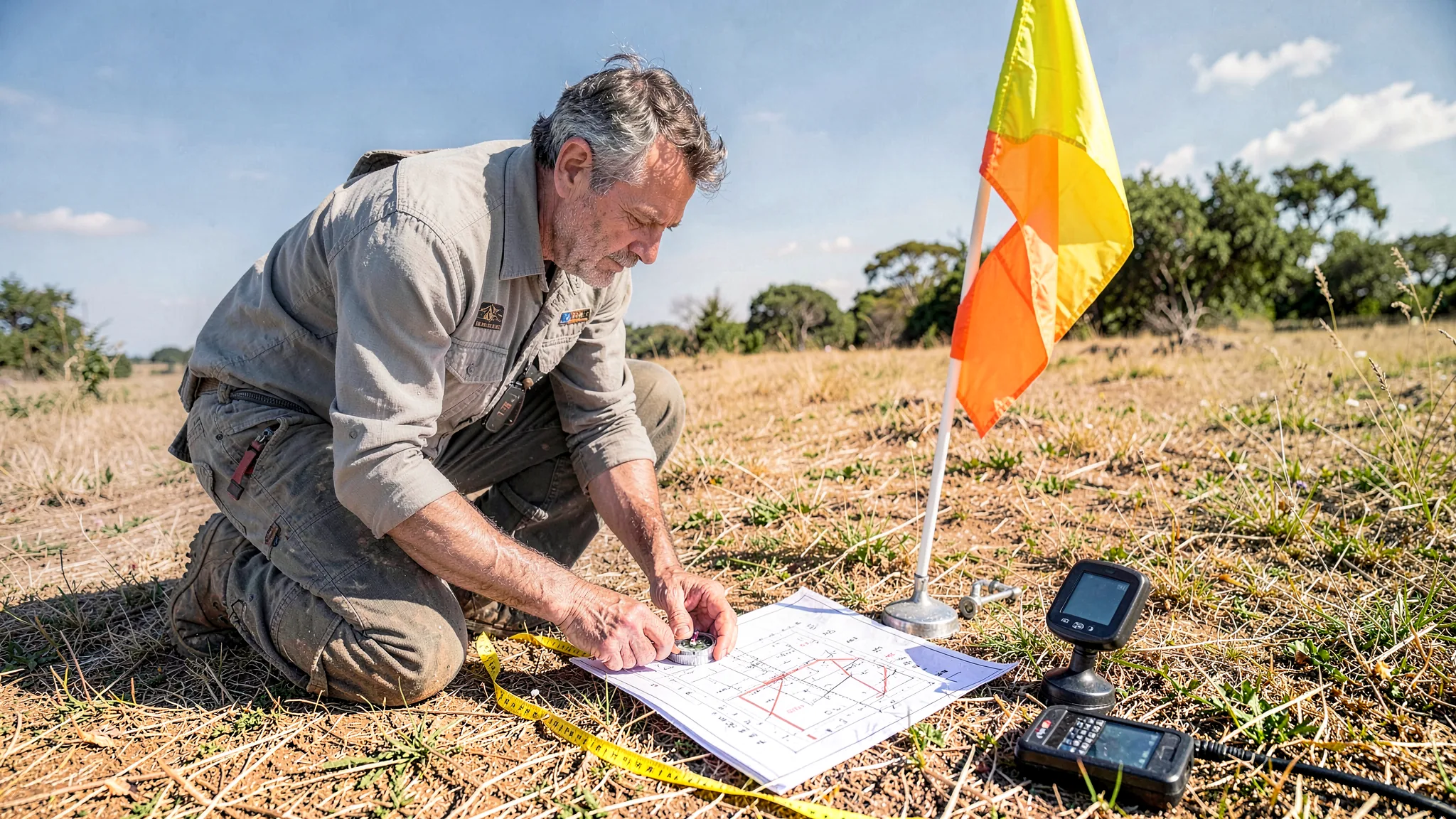
Most travelers build a jilin itinerary around famous sights, yet the plans collapse when transit time, altitude exposure, and winter weather are underestimated. A practical route works only when each day balances a major attraction with realistic travel buffers, and when backup indoor options are ready before the trip begins.
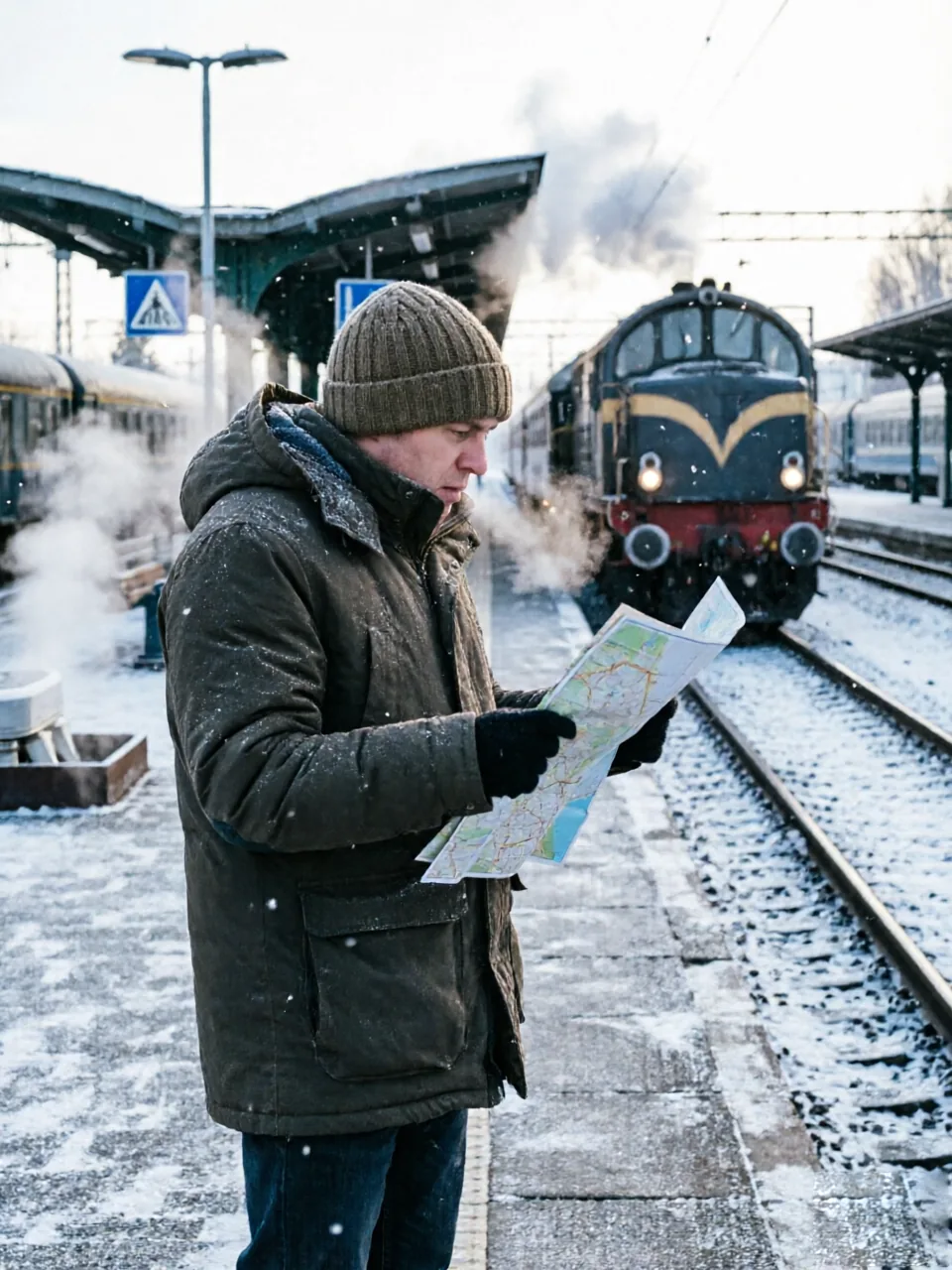
This guide treats the itinerary as a problem-solving exercise: identify the causes of failure, map a step-by-step sequence, flag the main risks, and finish with concrete adjustments you can apply before booking. The goal is not to pack more sites into each day, but to preserve energy, avoid missed connections, and make sure the highlights remain memorable rather than rushed.
Why the Standard Jilin Itinerary Fails in Practice
The first cause is distance. Many travelers assume that the province’s main attractions are close to one another, but mountain scenery, urban history, and borderland sites often sit far apart. When a day plan combines a long drive with a timed scenic entry, a delay of even one hour can erase the entire afternoon.
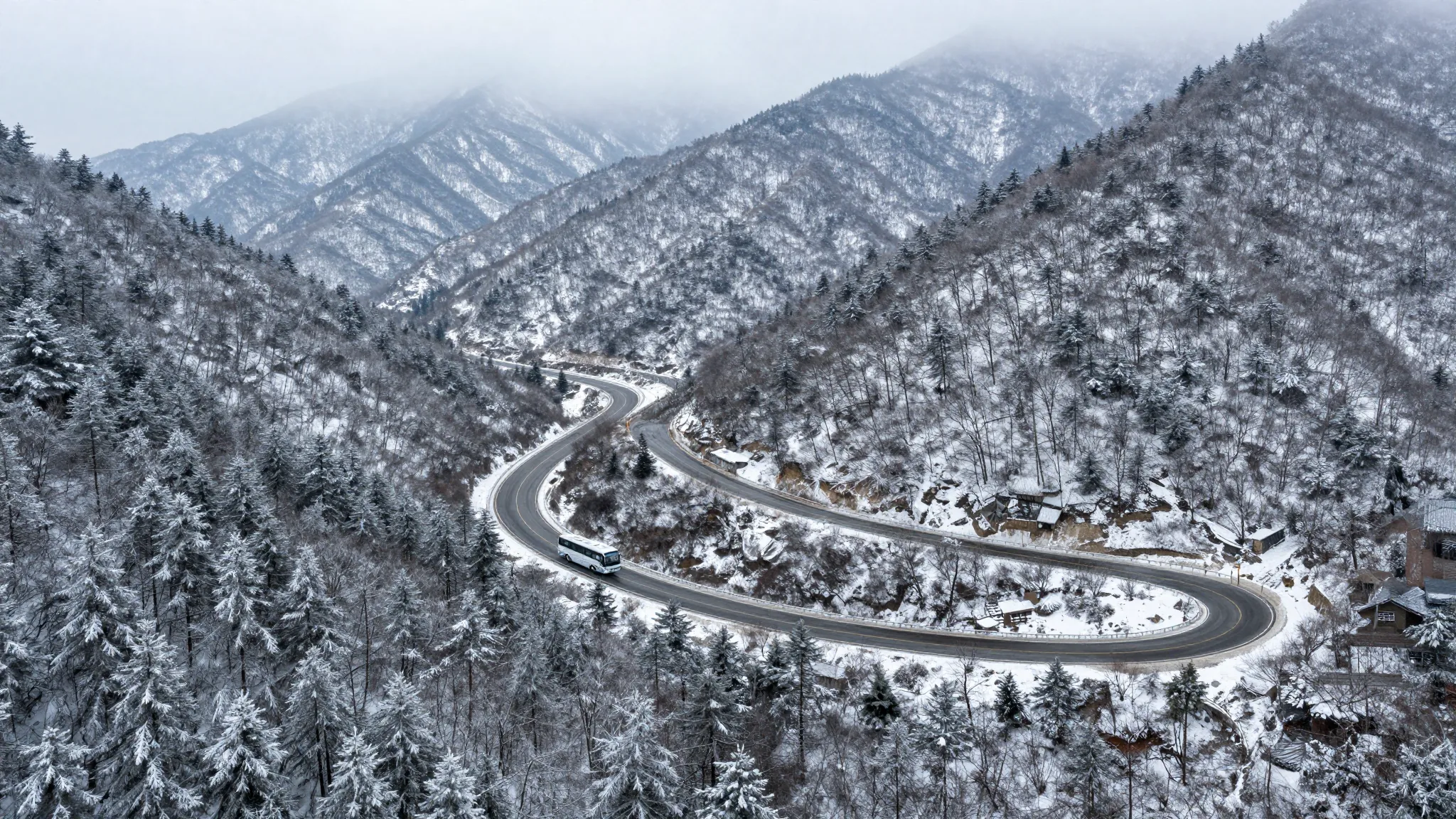
The second cause is weather sensitivity. Cold-season trips depend on clear skies for mountain views, and winter wind can make outdoor walking shorter than expected. If the itinerary has no indoor fallback, a single overcast morning can derail the sequence and force last-minute cancellations.
Finally, booking assumptions create hidden friction. Some sites require advance tickets, some require group entry, and some have limited operating hours. Without verifying these details before arrival, travelers may arrive at a gate and discover that entry is unavailable for that day.
A Working Sequence for a Five-Day Plan
Start with arrival logistics on day one. Reserve the first two hours for transport from the airport to the city, then use the remainder of the day for a low-intensity urban stop, such as a museum or a sculpture park, so the body adjusts to the climate before heavier sightseeing begins.
On day two, allocate the full day to the mountain area, but only one major scenic zone. Early departure matters here because elevation, road conditions, and crowd density all improve with an early start. Keep the afternoon for descent and rest rather than stacking another outdoor attraction.
Day three should focus on historical sites and exhibition halls. These locations are more weather-tolerant and better suited for a mid-trip buffer day. Pair them with local food stops so the schedule includes breaks instead of continuous walking.
Days four and five can be used for borderland exploration, archaeological remains, or a second mountain visit if conditions are favorable. The key is to leave at least one flexible day open, because weather and transit can shift the plan unexpectedly.
What Risks Should You Price Into the Trip Before You Go?
Yes, the biggest risks are weather-dependent visibility, long transfers between distant sites, and entry restrictions that are not obvious from a quick search. A safe plan assumes that one day may need to be shortened or swapped, and it builds that slack into the schedule rather than treating every hour as fixed.
There are also practical risks tied to clothing and mobility. Winter layers, wind protection, and traction on icy paths are not optional extras; they directly affect how much of the itinerary you can actually complete. If you arrive underprepared, you may cut the day short even when the weather is acceptable.
One more risk is confirmation mismatch. Some attractions operate on seasonal schedules, and some require advance booking through official channels. Confirm opening dates, ticket windows, and transport links for each site before you finalize the itinerary, because a single closed gate can force a full-day rebuild.
How to Adjust the Plan When Conditions Change
Use a simple rule: if a weather alert appears, swap the outdoor day for an indoor day and move the mountain visit to the next open window. Do not try to compress both into one afternoon, because fatigue and reduced visibility make the experience worse and increase safety concerns.
Keep a list of indoor alternatives for every major day: museums, exhibition halls, sculpture parks, and city landmarks. These sites are useful not only as backups, but also as pacing tools that help you recover between long travel segments.
Finally, protect your transit time. Book intercity transport with enough margin for delays, and avoid scheduling a timed entry immediately after a long ride. A thirty-minute buffer is usually enough to absorb small disruptions without losing the rest of the day.