Traveling is one of life’s most rewarding experiences, but for first-time travelers, it can feel overwhelming. The key to a stress-free and unforgettable trip lies in proper planning. This guide will walk you through the essential steps to plan your dream vacation, from setting your budget to packing the right items. Whether you’re heading to a tropical beach or exploring a bustling city, a well-structured plan ensures you make the most of your time and money.
Before you start planning, ask yourself: What do I want from this trip? Do I need a relaxing getaway or an adventurous journey? Defining your goals will help you prioritize your choices and avoid unnecessary expenses. For example, if you’re looking for relaxation, you might focus on booking a quiet resort and avoiding crowded attractions. On the other hand, if you’re seeking adventure, you might allocate more budget for activities like hiking or diving. Knowing your priorities early on sets the foundation for a successful trip.
Once you have a clear idea of what you want, the next step is to research your destination. Start by exploring the local culture, climate, and must-see attractions. Use travel websites, forums, and social media to gather insights from other travelers. Don’t forget to check the visa requirements, local customs, and any travel advisories. For instance, if you’re visiting a country with strict dress codes, it’s wise to pack accordingly to avoid any misunderstandings. Researching thoroughly not only enhances your experience but also helps you avoid potential pitfalls.
Creating a realistic budget is another crucial step in planning your vacation. List all your expected expenses, including flights, accommodation, meals, transportation, and activities. Use budgeting tools or spreadsheets to track your spending and stay within your limits. It’s also a good idea to set aside a contingency fund for unexpected costs. For example, if you find a great deal on a hotel last minute, you might need to adjust your budget for other expenses. A well-planned budget ensures you enjoy your trip without financial stress.
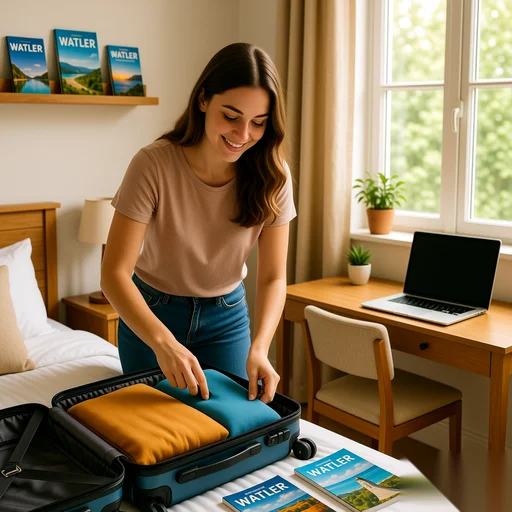
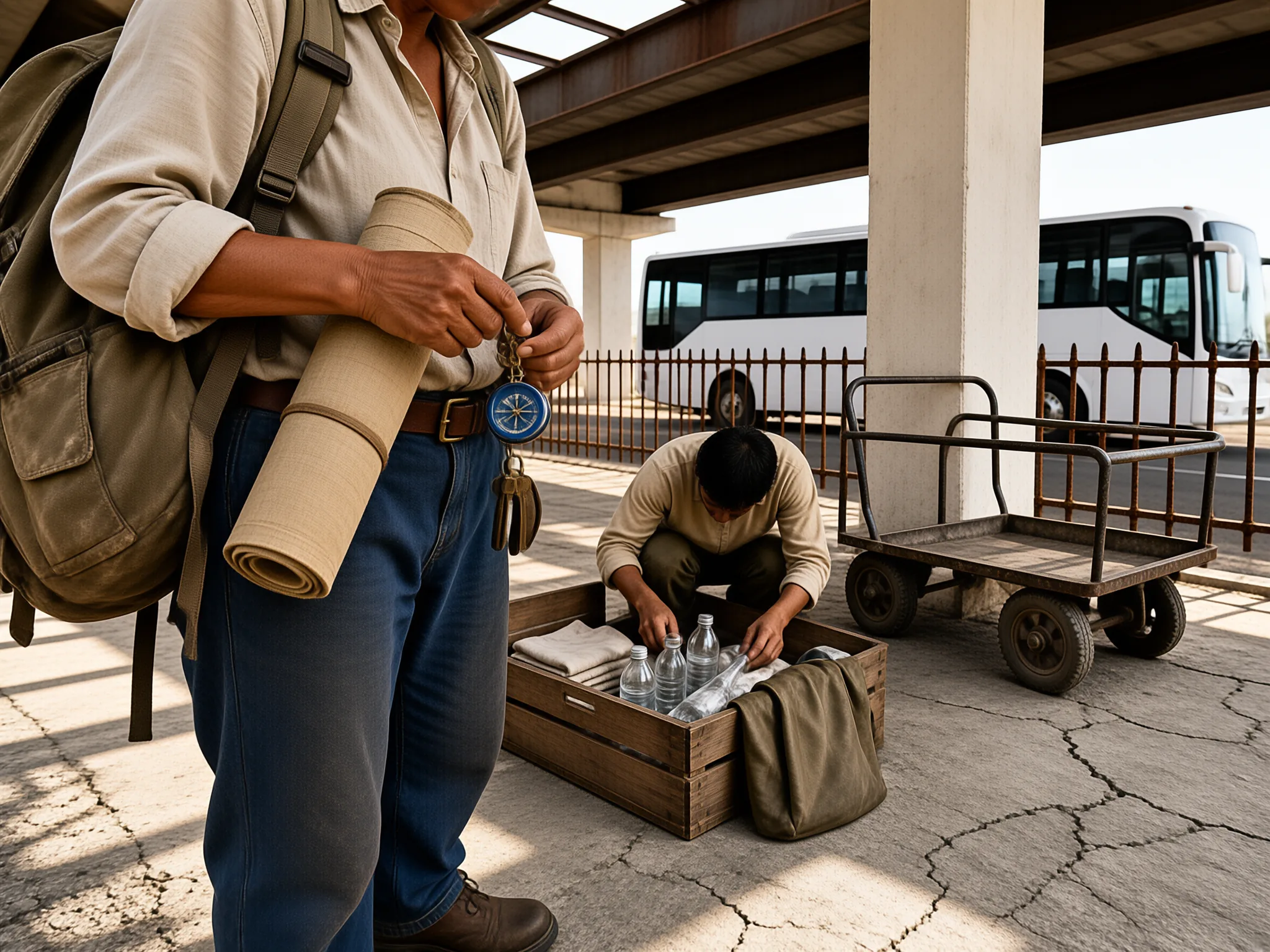
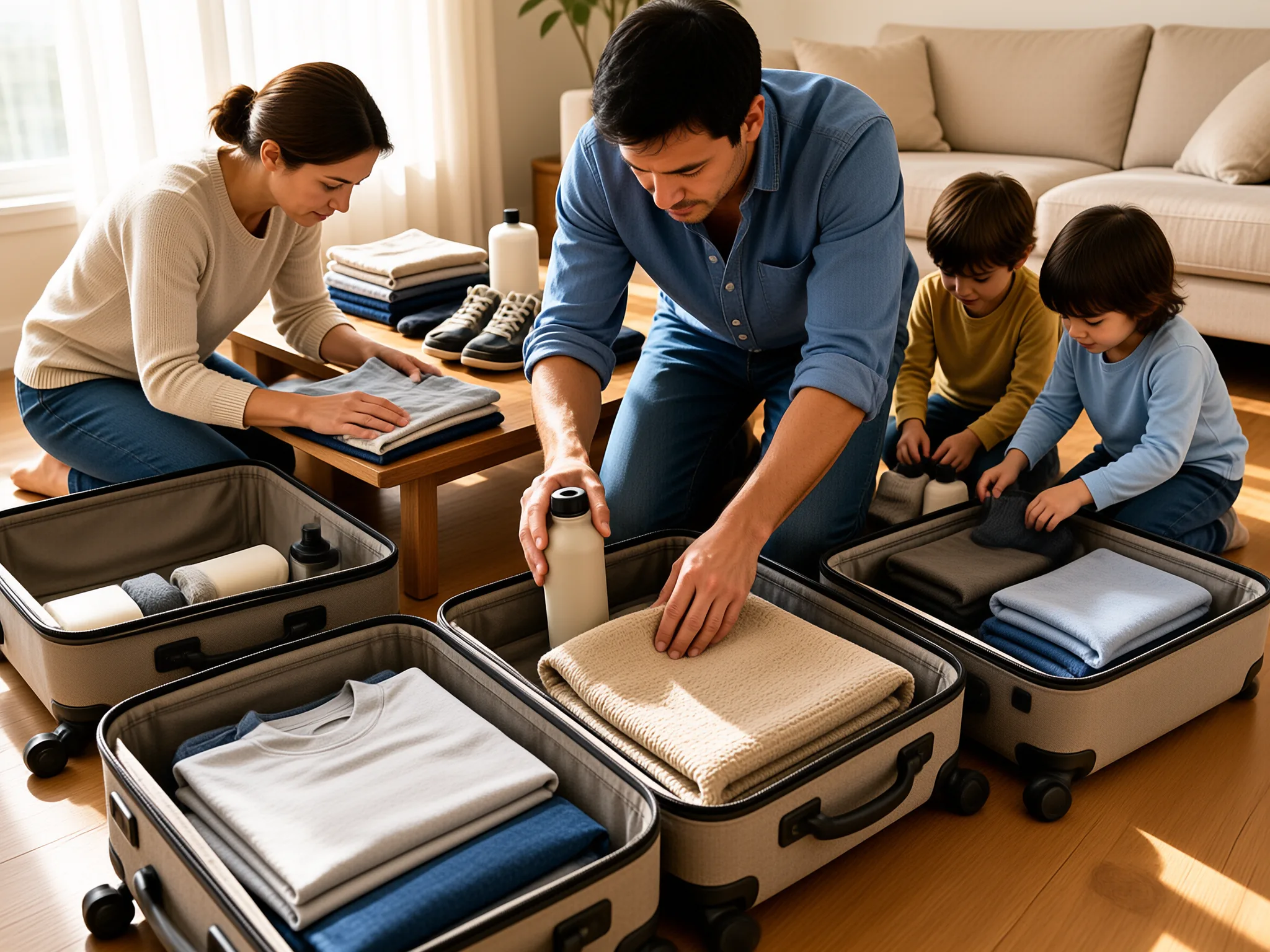
Packing efficiently is often overlooked but plays a significant role in your travel experience. Make a checklist of essential items, such as clothing, toiletries, and travel documents. Remember to pack light and consider the weather conditions of your destination. For example, if you’re heading to a tropical destination, include sunscreen and a hat, while a cold-weather trip might require a warm jacket and gloves. Don’t forget to bring a reusable water bottle and a portable charger for convenience. A well-organized suitcase saves time and reduces stress during your trip.
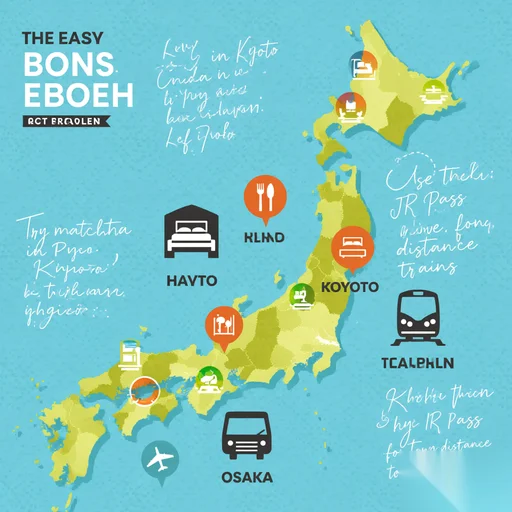
Now, let’s look at a real-life example. Sarah, a first-time traveler, wanted to visit Japan for the first time. She started by researching the best places to visit, such as Tokyo, Kyoto, and Osaka. She set a budget of $3,000, which included flights, accommodation, and daily expenses. She booked a round-trip flight and stayed in a mix of hostels and guesthouses to save money. She packed light, bringing only what she needed, and made sure to carry her passport and travel insurance. During her trip, she explored temples, tried local cuisine, and even took a day trip to Mount Fuji. Her careful planning allowed her to enjoy every moment without stress.
Traveling is not just about the destination; it’s also about the journey and the experiences you gather along the way. By following these steps—defining your goals, researching your destination, creating a budget, and packing efficiently—you can ensure a smooth and enjoyable trip. Remember, the key to a successful vacation is preparation. With the right approach, even first-time travelers can create unforgettable memories.


Comments
Anonymous
The real-life example made everything more relatable. It helped me visualize how to apply the tips in my own trip.
Anonymous
I especially liked the budgeting section. It gave me a clear idea of how to manage my expenses without overspending.
Anonymous
This guide is so helpful for someone like me who's never traveled before. I feel more confident about planning my first trip now.