Sydney family travel guide planning becomes far easier once you separate must-see landmarks from genuinely kid-friendly experiences and build the itinerary around energy levels, weather windows, and transit limits. The core conclusion is simple: a successful family visit to Sydney depends less on packing more sights and more on clustering nearby attractions, scheduling rest blocks, and choosing transport modes that reduce friction for children.
This article breaks down the practical causes of common Sydney family trip failures, the risks that turn a relaxed holiday into a stressful one, and the step-by-step actions that produce a smoother visit. You will also get a short answer to the most important planning question families ask before booking: what should you actually prioritize when traveling with kids in this harbor city?
Why Family Itineraries in Sydney Often Overload Fast
The main cause of failed family trips is geographic underestimation. Sydney is spread across a harbor, beaches, hillside suburbs, and transit corridors, so walking distances that look small on a map can feel long once strollers, snacks, sunscreen, and bathroom stops are added. Families who schedule back-to-back attractions across different sides of the harbor usually discover too late that travel time consumes the day.
Another frequent cause is ignoring weather and crowd cycles. Beach days, ferry crossings, and outdoor walks depend heavily on wind, sun, and tides, while popular waterfront attractions can become overwhelming during peak arrival windows. When a family plans only around famous names and not around timing, the result is often fatigue rather than enjoyment.
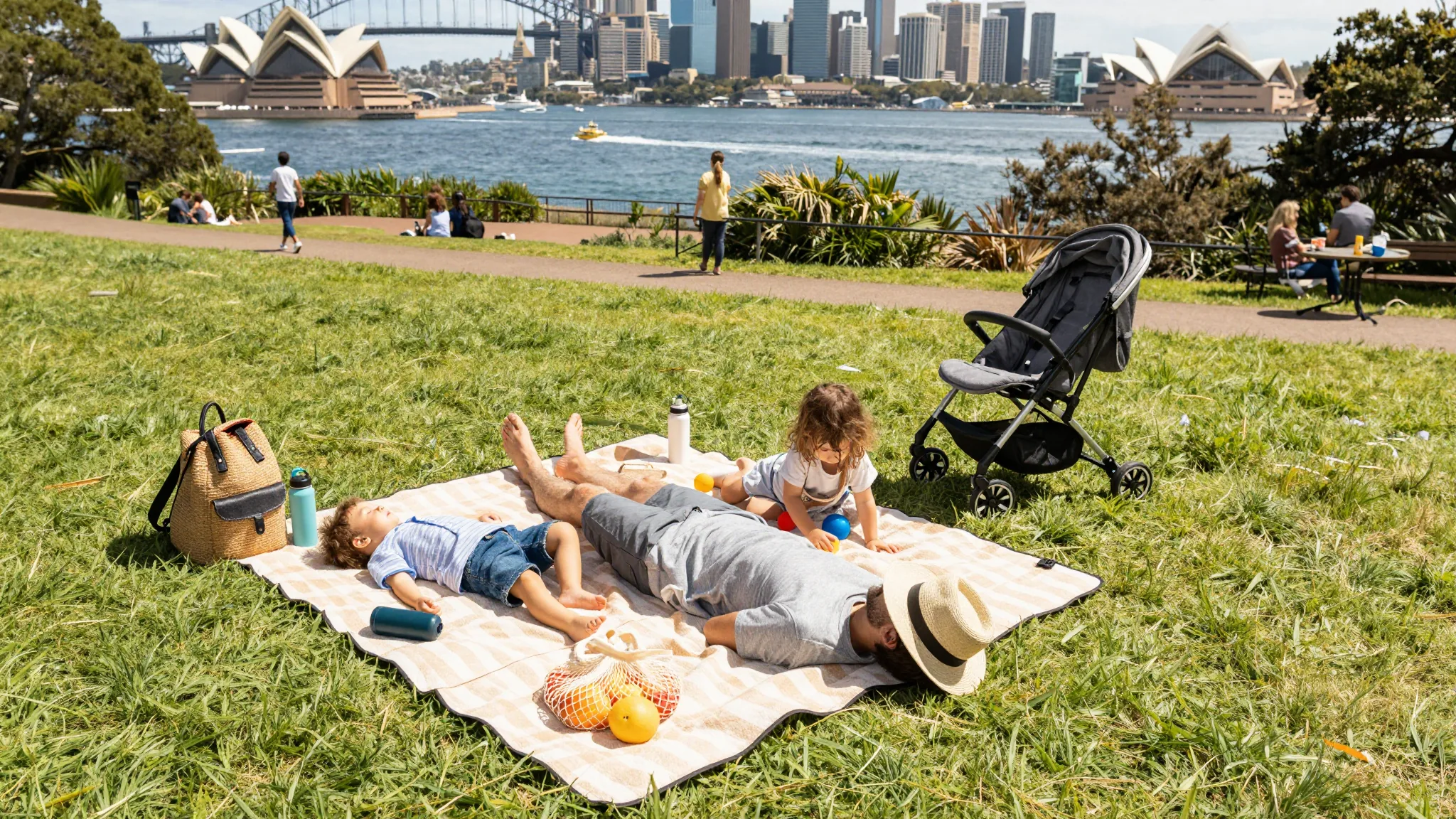
The practical fix is to cluster activities by neighborhood and by activity type. Group harbor viewpoints, waterfront picnics, and short ferry hops into one day. Group zoo or aquarium visits with nearby indoor backup options. Group park time with shaded rest stops. This reduces repeated transitions and gives children predictable rhythm.
What to Prioritize First in a Sydney Family Travel Guide
Start with three categories: one iconic landmark, one nature or wildlife experience, and one low-stress outdoor area. These categories cover cultural expectations, educational interest, and physical play without forcing every day into the same mode. A landmark gives the trip a recognizable anchor, a wildlife stop engages curious children, and a park or beach area allows movement and downtime.
Within those categories, choose options that offer multiple engagement levels. A zoo works better than a static exhibit hall because children can pace themselves, ask questions, and step away when overwhelmed. A coastal walk works better than a crowded boardwalk because families can pause, sit on grass, and adjust distance. A landmark visit works best when paired with nearby open space so the day does not end abruptly inside a queue.
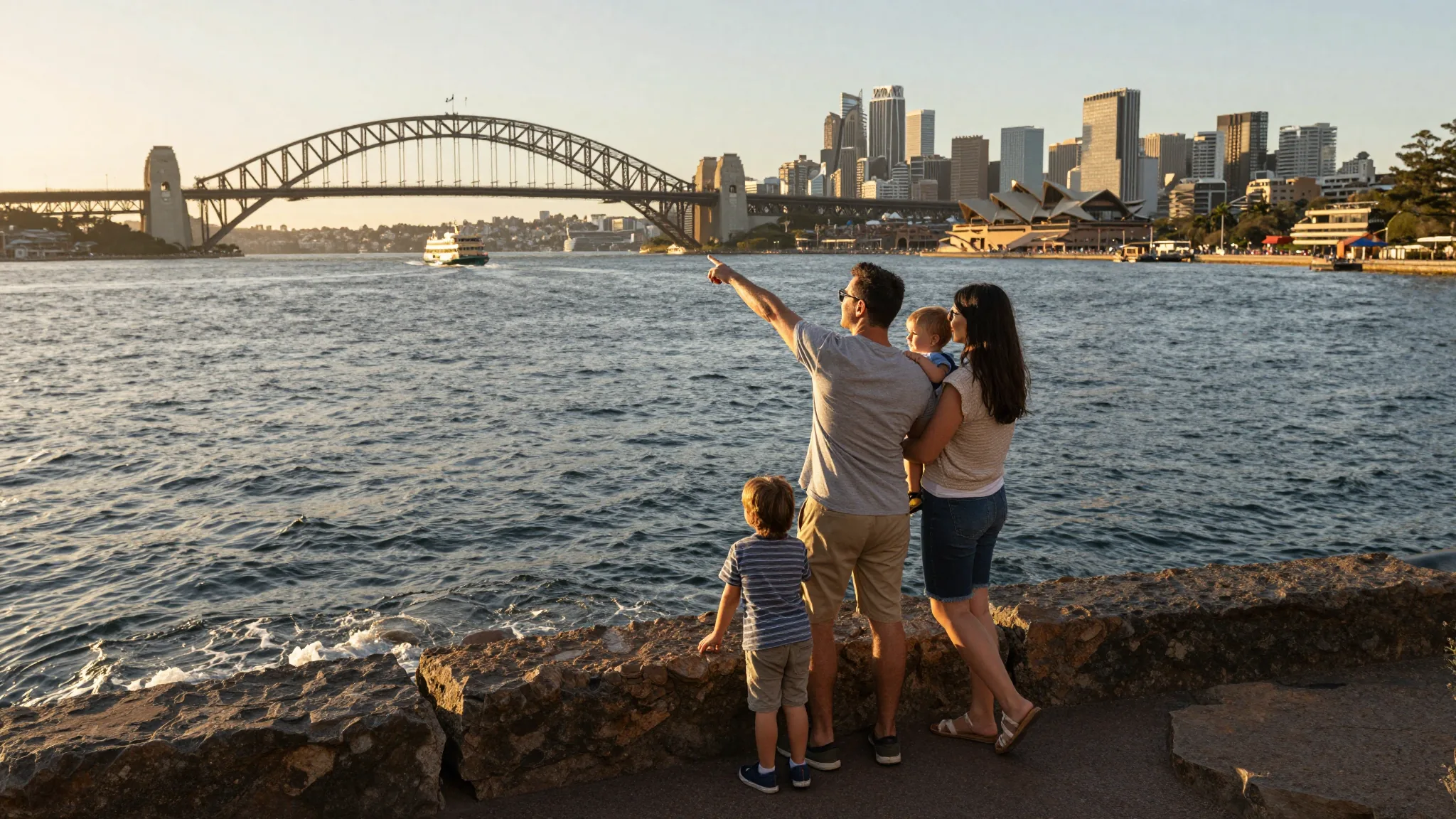
Avoid building the entire trip around ticketed attractions only. Sydney offers strong free or low-cost experiences, including harbor views, gardens, beaches, and short walks, and these can be just as valuable for families because they allow spontaneous play and reduce decision fatigue.
How to Handle Transport, Timing, and Weather Without Losing the Day
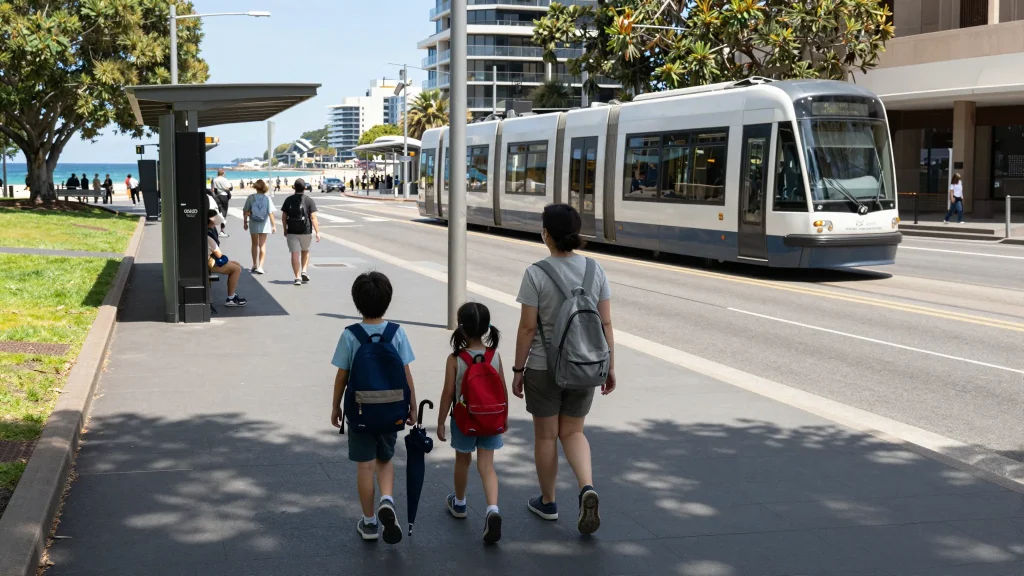
Use public transit selectively rather than as a default for every move. Short walks are fine when the route is flat and shaded, but longer cross-city moves can be exhausting with children. The best approach is to use trains, ferries, or rides for the longest segments and walk only for the final approach to the attraction.
Plan around the sun. Arrive at outdoor sites before midday heat builds, and schedule indoor or shaded activities during the hottest hours. Bring water, snacks, hats, and sunscreen before you leave the accommodation rather than treating them as optional add-ons. Small preparation details prevent large disruptions later in the day.
Build in recovery time after each major activity. A family that completes a zoo visit, a ferry ride, and a landmark tour in one afternoon may still need a quiet evening with food, rest, and no new commitments. Without that buffer, children become irritable and parents lose flexibility for the next morning.
How Do You Keep a Sydney Family Trip Affordable Without Cutting the Best Experiences?
You keep costs under control by mixing paid attractions with free outdoor time and by booking accommodation that supports self-catering or simple meals. Families do not need to fill every hour with ticketed activities to have a memorable trip;
in fact, too many paid stops often increases both cost and fatigue. The practical strategy is to spend on one or two high-value experiences per day and let the rest of the schedule be built around parks, beaches, gardens, and waterfront strolls.
Be careful with hidden costs as well. Parking, last-minute restaurant choices, and long-distance rides can add up quickly when a family is already tired. Choosing a base location with good transit access reduces these extras and makes the overall budget easier to manage without removing the most important sights.
What Risks Should You Watch Before Departure?
The biggest risks are overbooking the calendar, underestimating travel time, and assuming children will tolerate long waits. If a plan depends on perfect weather, perfect behavior, and perfect timing, it is already fragile. A better plan includes backups: an indoor option for rain, a shorter route for low-energy days, and a meal plan that does not require long waits.
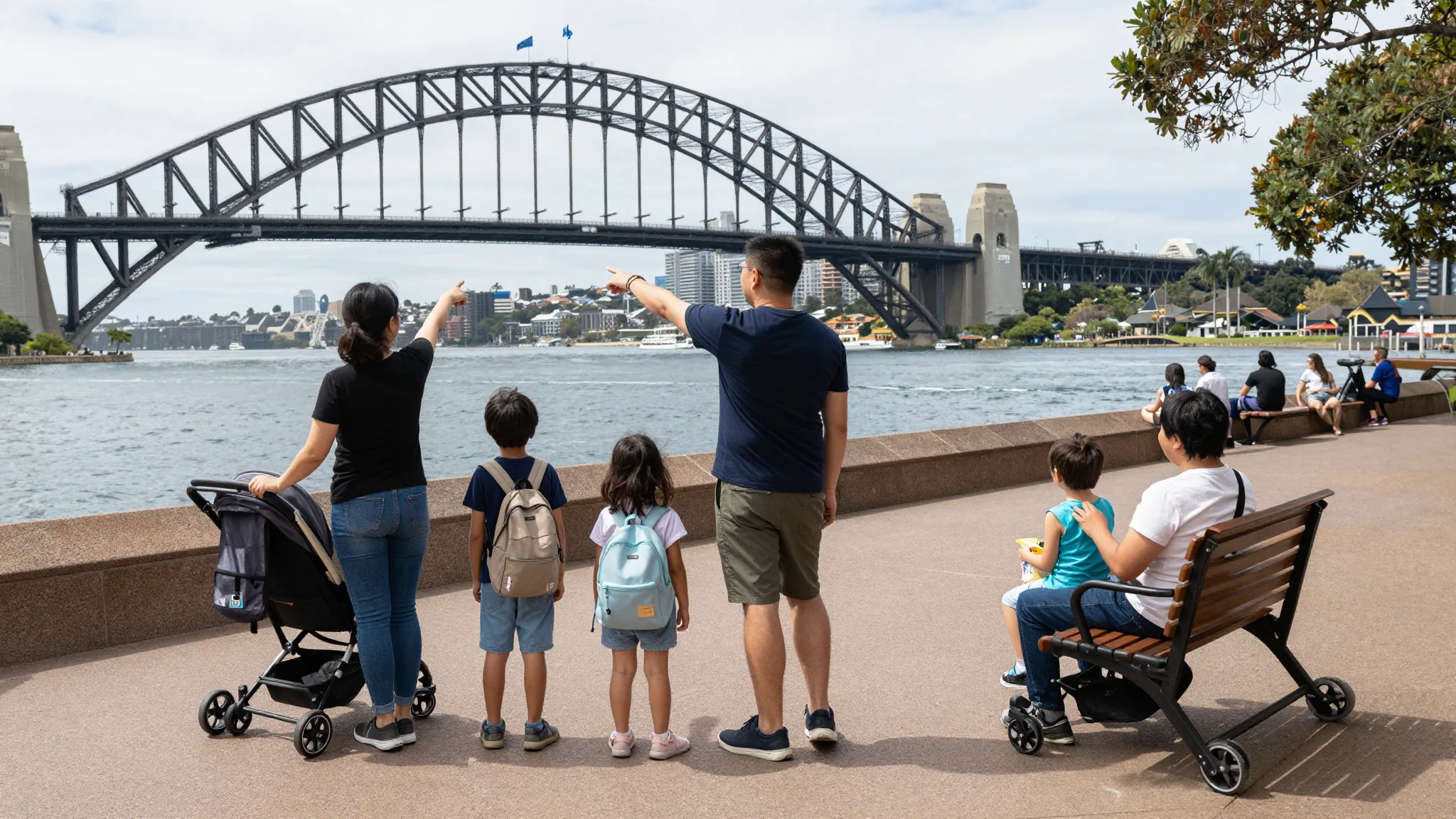
Another risk is choosing activities that are impressive for adults but not engaging for children. A museum with dense displays may feel educational, but a young visitor may need movement, animals, water, or open space. Match the activity to the child’s age and attention span, not to the postcard image of the city.
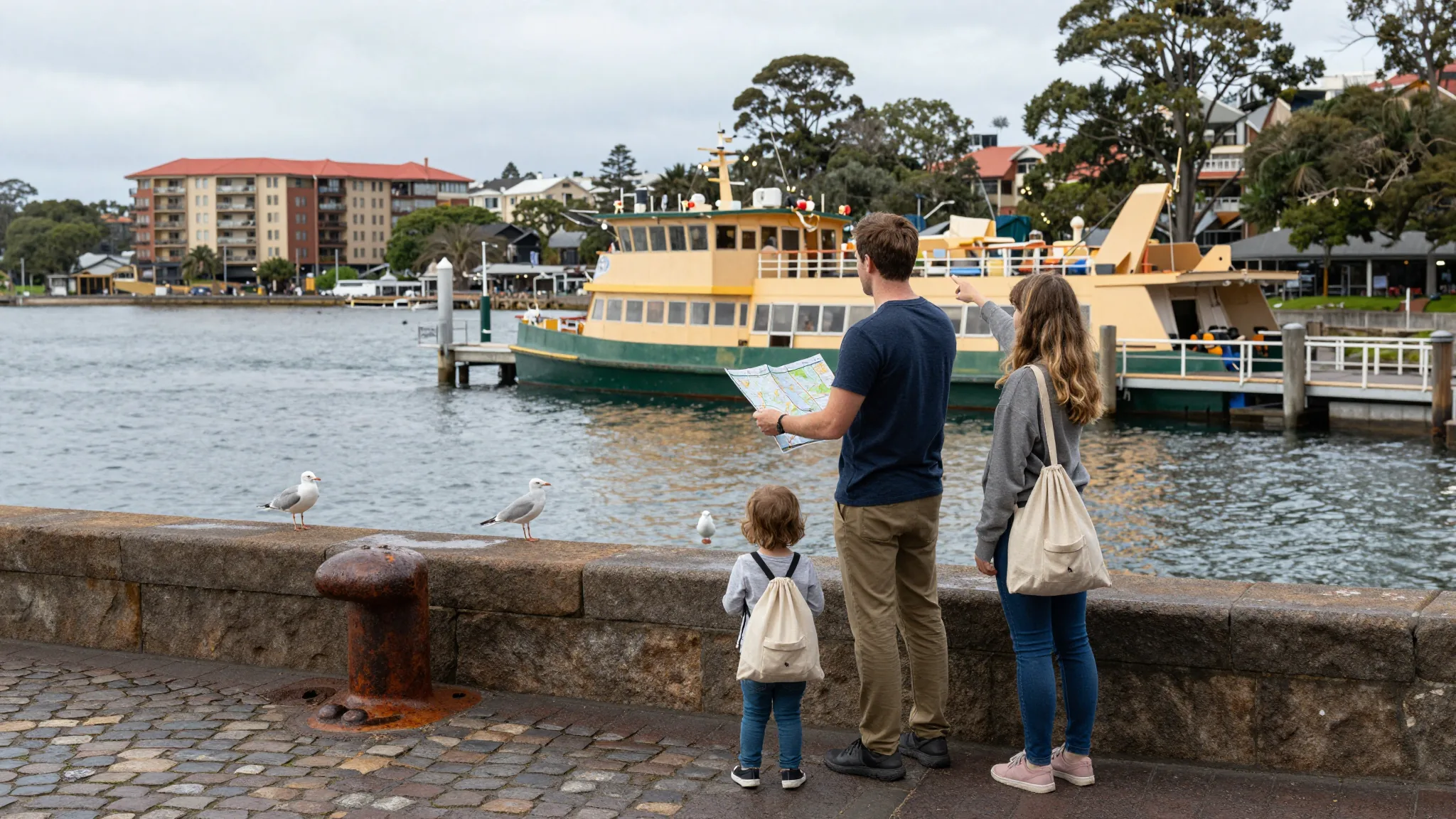
Finally, do not let the itinerary eliminate rest. The most reliable family trips in Sydney are the ones that end each day with time to decompress. Rest is not wasted time; it is what makes the next day possible.
Steps to Build a Practical Sydney Family Travel Guide
First, choose a short list of non-negotiable sights and remove anything that feels optional. Next, map those sights by neighborhood so each day has one main zone. Then, add one flexible block for rest or weather changes. After that, confirm transport options for the longest trips and identify one indoor backup for each outdoor plan.
Next, prepare a simple daily rhythm: morning activity, midday meal and rest, afternoon light activity, evening wind-down. This structure works because it matches how children naturally focus and recover. Finally, review the plan one day before departure and trim anything that feels rushed.
The actionable advice is to plan less tightly than you think you need to. Families who leave room for pauses, missed stops, and spontaneous play usually return home with better memories than those who checked every landmark off a list.