Tianjin offers multiple transport options, yet first-time visitors often face delays, missed connections, and wasted money. This guide identifies the root causes behind these problems and provides step-by-step solutions for every stage of your journey.
Whether you arrive by high-speed rail, flight, or long-distance bus, the city’s layout and systems can feel overwhelming without preparation. Understanding the key decision points before you travel saves both time and frustration.
Why Do Travelers Struggle When Arriving in Tianjin?
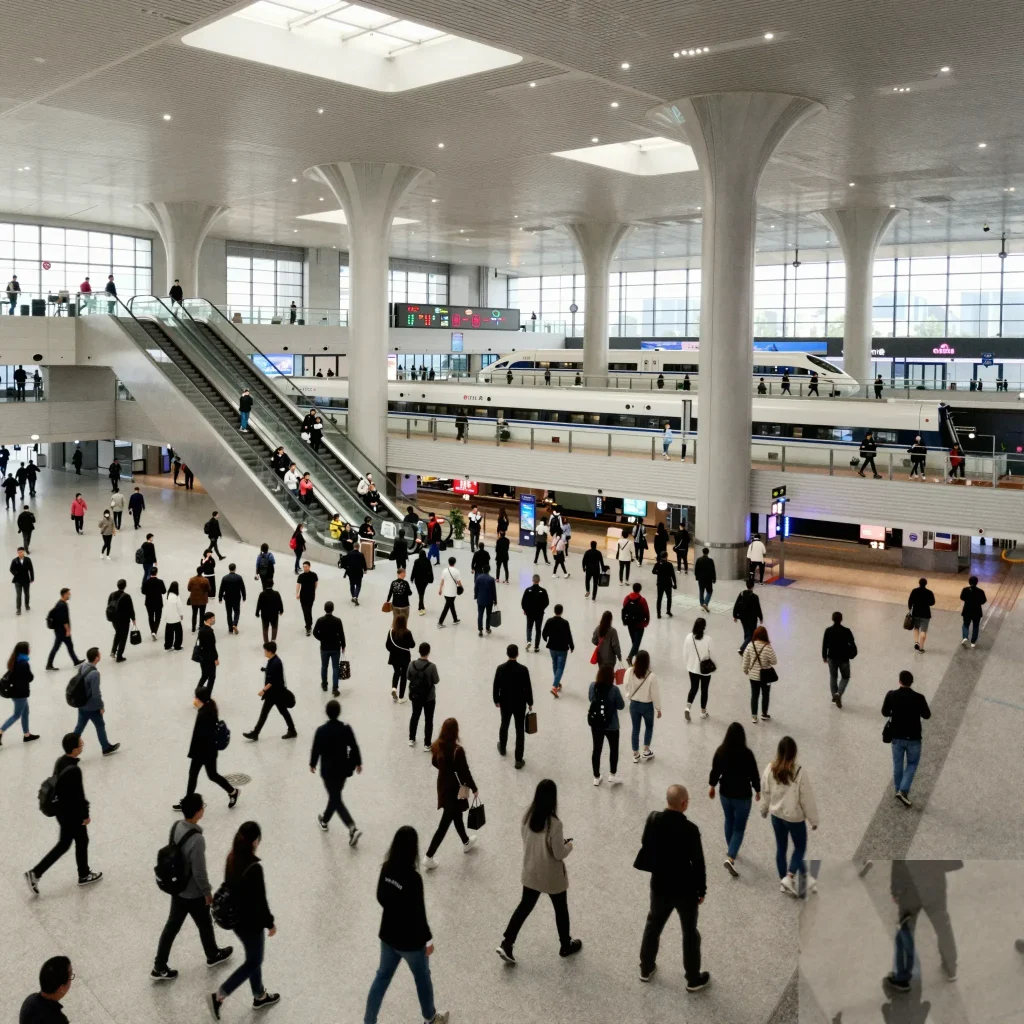
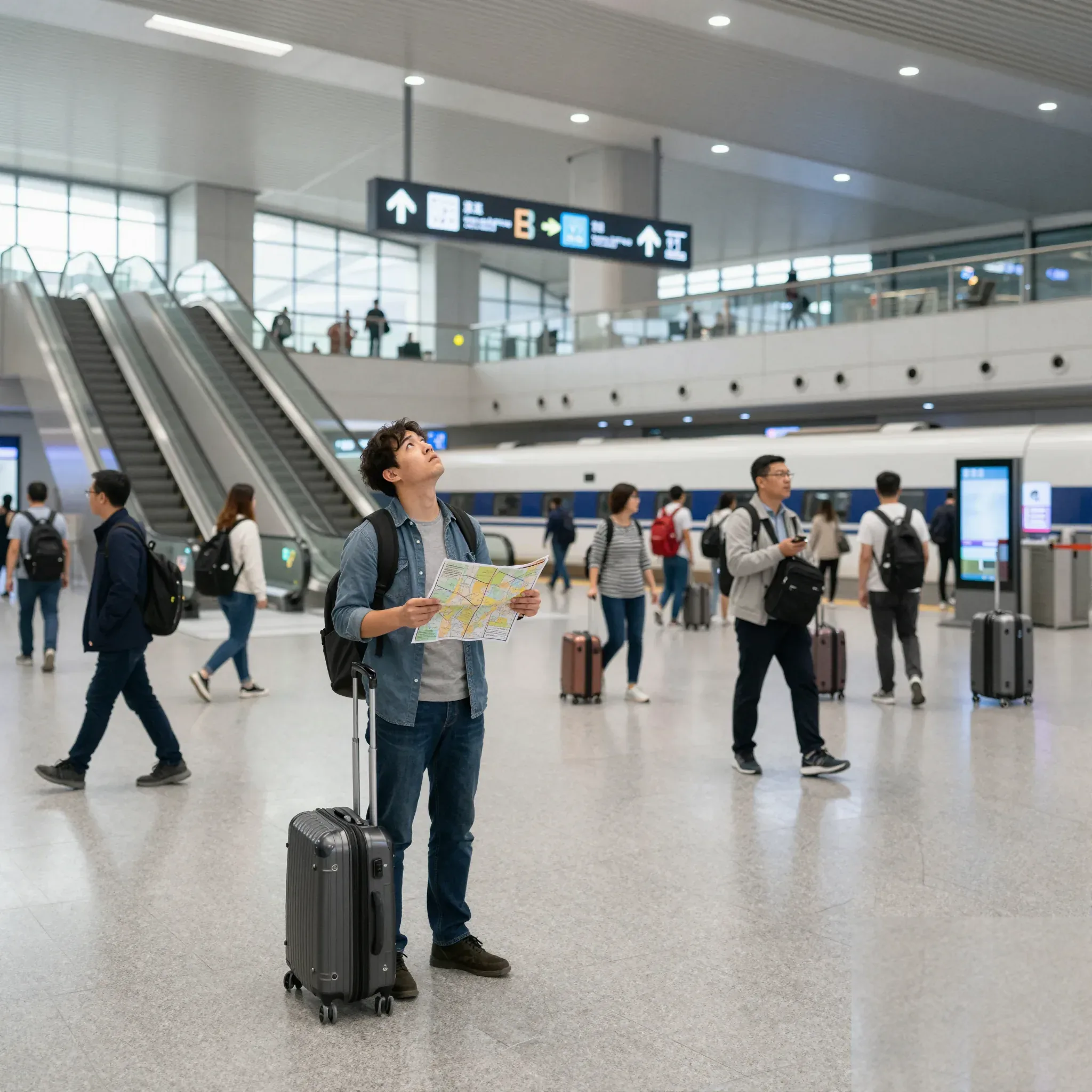
The first challenge appears immediately upon arrival. Tianjin Railway Station serves as the main hub for high-speed trains from Beijing and other cities, but its layout is complex with multiple levels and exits. Without knowing which exit leads to your connection, you may walk twenty minutes in the wrong direction. Similarly, the airport terminal design means that the transfer between domestic and international flights requires navigating long corridors, and the shuttle bus schedule is not always clearly posted at every stop.
Another common mistake is assuming all transit options are equally accessible at all hours. Night buses stop running after midnight, and some metro lines close earlier than others on weekends. Taxis at peak hours near major attractions or the railway station can have queues exceeding thirty minutes, and drivers may refuse short trips. These conditions create a cascade of delays if you do not plan for them.
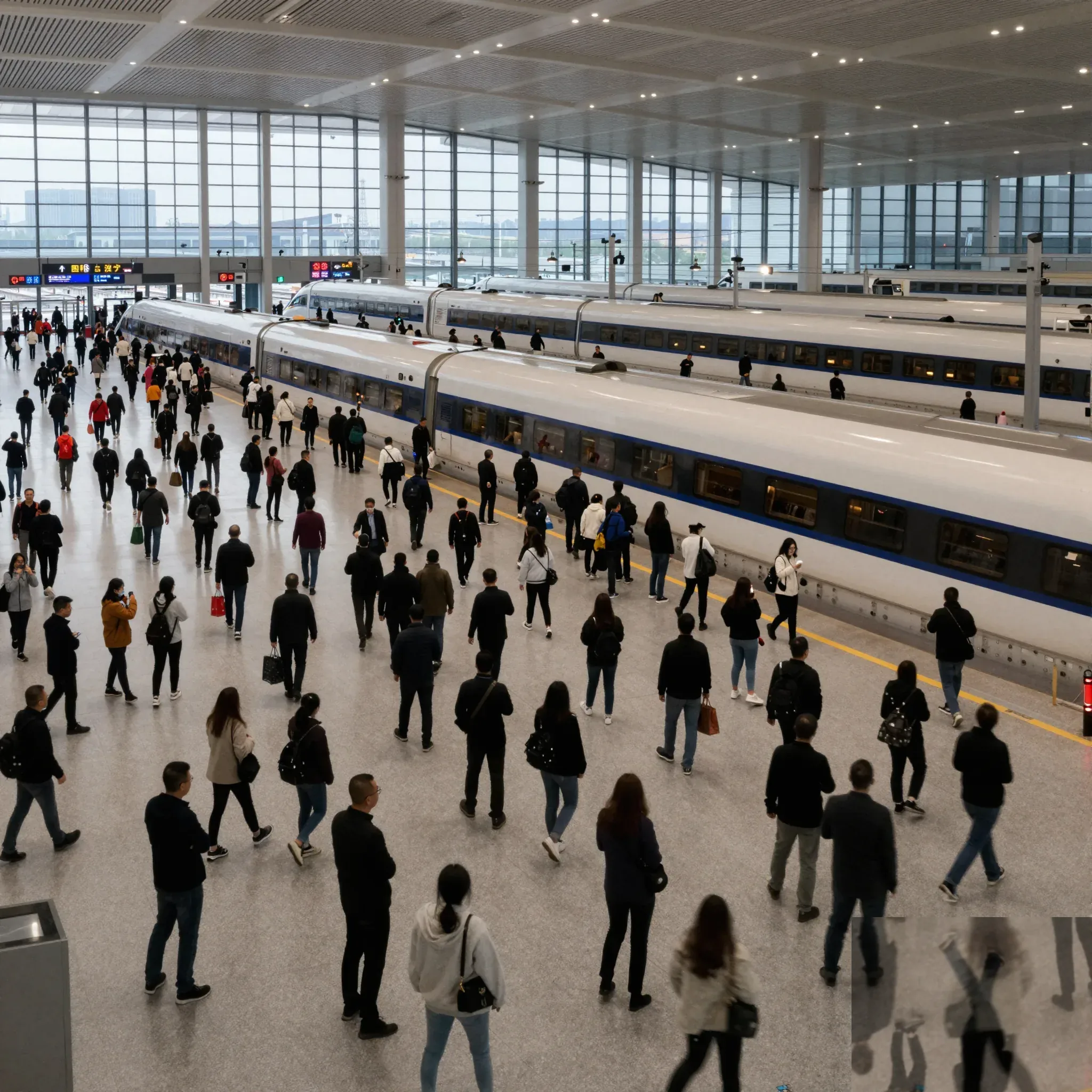
The language barrier compounds these physical challenges. While major stations have English signage, smaller bus stops and local transit apps may not. This makes it difficult to verify bus routes, confirm stop names, or understand real-time delay announcements. Travelers who rely solely on visual navigation without translation support often find themselves stranded at unfamiliar intersections.
How Does the High-Speed Rail Network Affect Your Travel Planning?
The bullet train connecting Beijing and Tianjin is one of the fastest in the world, reaching speeds up to 300 kilometers per hour in roughly thirty-three minutes. However, the convenience of this speed creates a false sense of security about total journey time. You must factor in the commute to Beijing South Railway Station, security screening, and platform navigation—tasks that can add ninety minutes to your door-to-door travel.
Ticket classes vary significantly in price and comfort. Economy seats cost around 55 yuan, business class approximately 66 yuan, and VIP class 94 yuan. The difference between economy and business is modest in price but substantial in seating space and quietness. For short trips, economy suffices, but if you are carrying luggage or traveling with children, the extra investment in business class reduces physical stress considerably.
A critical oversight many travelers make is failing to understand the ticket purchase process. While online booking is standard, the collection of physical tickets at the station requires navigating a separate counter area. During holidays, these lines can stretch over an hour. Buying tickets in advance through official channels or using e-ticket systems where available eliminates this bottleneck entirely.
What Goes Wrong With Local Navigation and Transit Apps?
Mapping applications are essential for navigating Tianjin’s streets, yet many visitors encounter problems with inaccurate bus stop locations or outdated route information. The city’s rapid development means new roads and transit lines open frequently, and mapping databases do not always update in sync. Relying solely on these tools without cross-referencing official transit information can lead you to closed stops or incorrect transfer points.
The metro system itself is generally reliable, but station identification presents challenges. Several stations share similar names in different districts, and platform numbers for direction changes are not always clearly marked. First-time riders frequently board trains going the wrong direction, only discovering the error after multiple stops. Checking the direction indicators on platform screens before entering the train prevents this common mistake.
Bus travel in Tianjin requires additional attention because routes can be confusing. Some lines have multiple branches that split at certain intersections, and the announcement system may not clearly indicate which branch the bus is taking. Standing near the front and confirming your destination with the driver when boarding reduces the risk of ending up on an unintended route.
What Practical Steps Reduce Transportation Risks in Tianjin?
Before departure, create a transportation checklist that includes: confirmed train or flight tickets, a working transit card or mobile payment capability, downloaded offline maps of Tianjin, and the addresses of your destinations written in Chinese characters for taxi drivers. This preparation addresses most common failure points in advance.
Upon arrival at Tianjin Railway Station, head directly to the information desk if you are uncertain about exit directions. Staff can provide printed maps and direct you to the correct metro entrance. If you plan to use a taxi, proceed to the designated taxi stand rather than accepting offers from individuals approaching you inside the station—this ensures metered pricing and official safety standards.
For longer stays, purchasing a Tianjin transit card eliminates the need for exact change on buses and provides a small discount on metro fares. The card works across all public transportation modes and can be purchased at any metro station customer service window. Keep the card in an accessible pocket rather than buried in luggage, as you will use it frequently throughout your trip.
When uncertainty arises during your journey, stop and verify rather than guessing. Tianjin’s transit staff at metro stations and major bus terminals are generally helpful when approached with specific questions. Having your destination written in Chinese characters on your phone or paper allows staff to provide precise directions even if verbal communication is limited.
Finally, build buffer time into every transfer. Plan for at least twenty minutes between arriving at a station and your next connection, and forty-five minutes when switching between different transport modes. This margin absorbs delays from crowding, wrong turns, or unexpected schedule changes without derailing your entire itinerary.