Qinhuangdao transportation guide essentials: plan ahead for peak-season crowding, understand the distance between the airport and city center, and compare train, bus, and ferry options before booking. Most travelers arrive by rail or air, but the real friction lies in local transfers, last-mile connections, and seasonal surges near coastal attractions. With the right preparation, you can avoid delays, missed connections, and unnecessary expense.
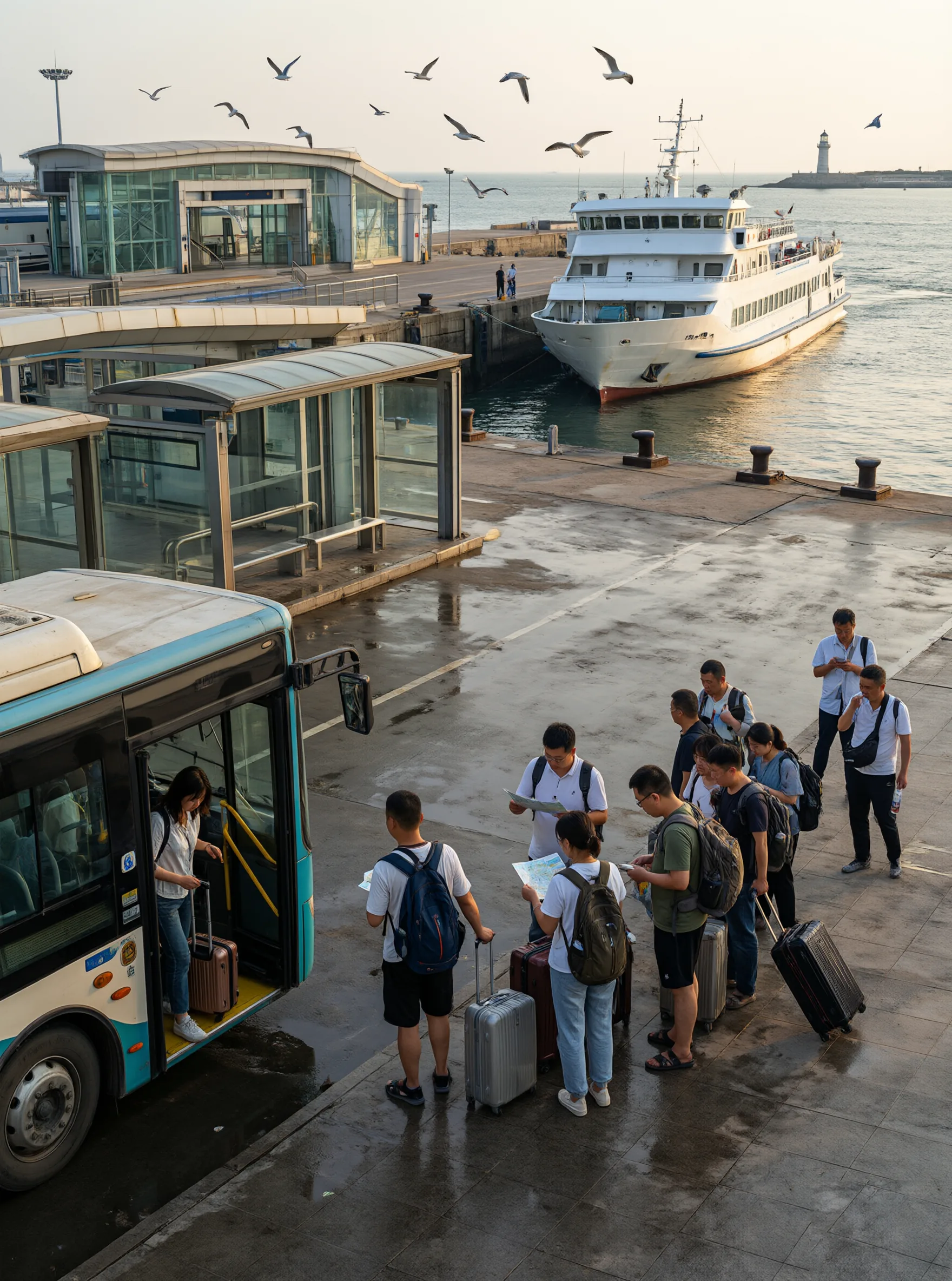
This guide breaks down the main risks, explains why they happen, and gives step-by-step advice for moving through the region smoothly. It covers arrival hubs, intercity connections, and local ground transport, with practical tips you can apply immediately whether you are arriving by plane, train, or long-distance bus.
Why Transportation in Qinhuangdao Can Trip Up Travelers
First, the airport is not in the heart of the city;
it sits roughly 47 kilometers from the urban core and about 50 kilometers from the popular coastal district. That distance means ground transport time can stretch beyond what many visitors expect, especially during rush hour or heavy rain. Second, seasonal tourism concentrates travel demand around summer months, when coastal routes fill up quickly and public transport runs at reduced headways. Third, some intercity bus and ferry schedules are limited, so a missed connection can force an overnight wait or a costly detour.
Understanding these causes helps you avoid the most common failure mode: arriving with a tight transfer but no backup plan. When connections are thin, even a 20-minute delay can cascade into a missed evening activity or a late-night taxi ride. Therefore, the best approach is to treat each leg of your journey as a separate decision point rather than assuming everything will link up automatically.
Step-by-Step Plan for Arriving and Moving Around
Start by identifying your primary arrival hub. If you are flying in, budget extra time for ground transport and consider pre-arranging a transfer rather than relying on last-minute taxi availability. If you are arriving by train, note that the station is well connected to major cities, with frequent services to nearby hubs and shorter commutes than flying. For bus arrivals, confirm the terminal location and check whether the drop-off point is close to your accommodation or requires another transfer.
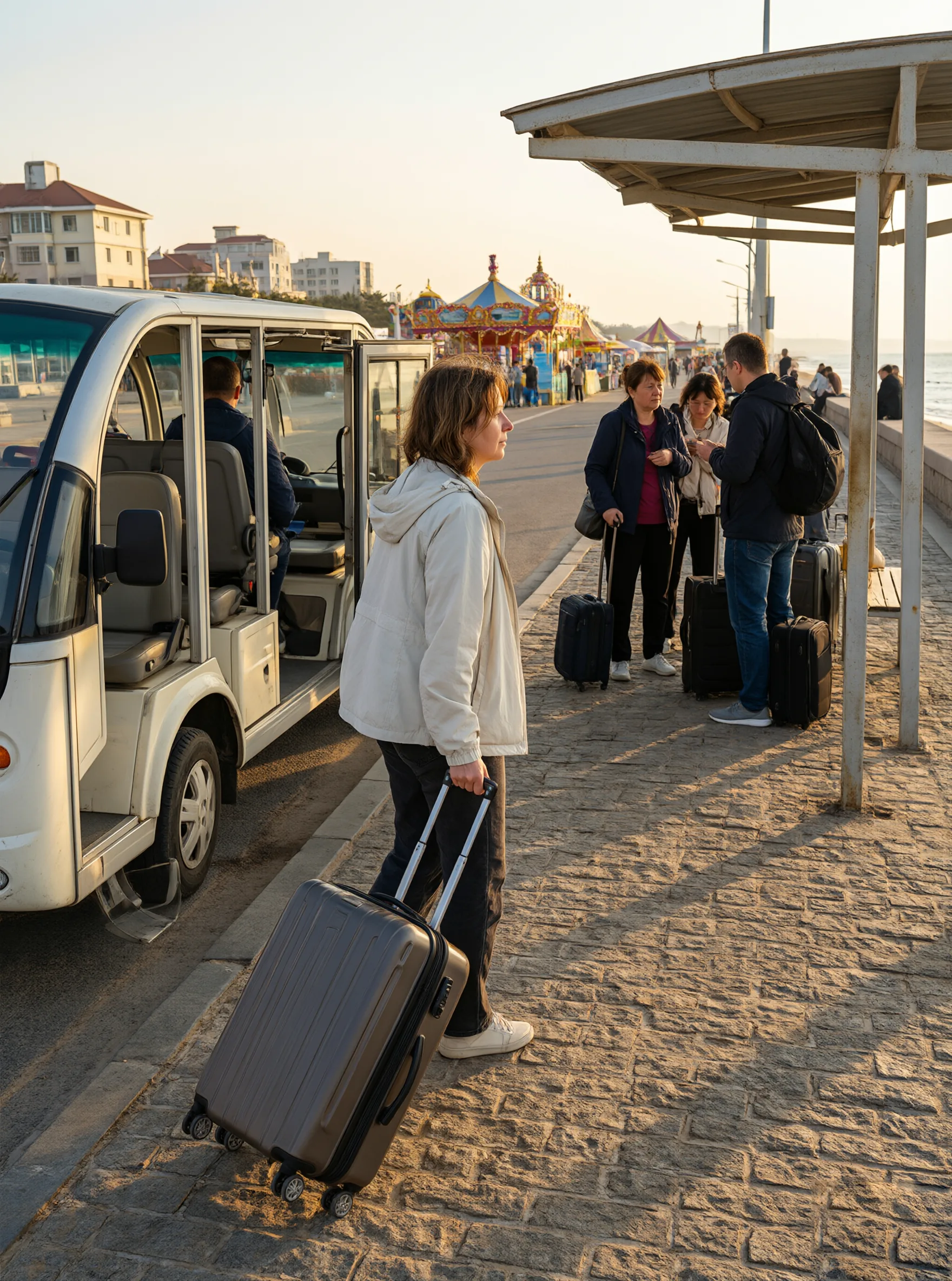
Next, map out your first local move. A practical sequence is: confirm your drop-off zone, check real-time taxi or ride-hailing availability, and have a secondary option ready such as a public bus line or shared shuttle. If you are heading to the coastal district, allow extra time during peak hours because traffic can slow significantly near beach access points. Finally, keep a small cash reserve for last-mile transport, since some local operators may not accept digital payments in all situations.
What Are the Biggest Risks and How Can You Mitigate Them?
The biggest risk is a missed connection caused by overestimating how quickly you can move between hubs. The airport-to-city distance, combined with limited off-peak services, creates a narrow window for tight itineraries. The second risk is seasonal crowding: during summer, popular routes fill fast and taxis may be scarce, leading to long waits and higher fares. The third risk is information asymmetry, where posted schedules do not reflect actual departure times due to delays or weather.
To mitigate these risks, build buffer time into every transfer, confirm schedules within 24 hours of travel, and avoid booking activities that depend on a single tight connection. If you are traveling with luggage or traveling with family members, choose the option with the most flexibility rather than the cheapest fare. Ultimately, a small amount of extra planning eliminates the most stressful part of the trip: scrambling for transport after a delay.
How to Choose the Right Transportation Option for Your Trip
Choose rail if you prioritize reliability and cost efficiency. Train services are frequent, punctual, and connect directly to major cities, making them the default choice for most travelers. Choose air travel if you are coming from a distant region and value speed, but be prepared for a longer ground transfer and higher overall cost. Choose long-distance bus if you are budget-conscious and traveling from a nearby province, but verify the terminal and schedule carefully before committing.
For local movement within the region, combine a mix of taxi, ride-hailing, and public transit. Use taxis or ride-hailing for short, time-sensitive trips, especially late at night or when carrying luggage. Use public transit for longer routes during off-peak hours to save money and avoid traffic congestion. If you are visiting the coastal area during peak season, consider arriving early in the morning or departing after evening rush to minimize delays.
Finally, always keep a backup plan. Save the contact information for local transport services, download an offline map, and note the addresses of key terminals and stations. This preparation turns a potentially stressful journey into a smooth, predictable experience. Qinhuangdao transportation guide principles are simple: plan ahead, build in buffers, and choose the mode that matches your schedule and budget rather than the most convenient one at first glance.