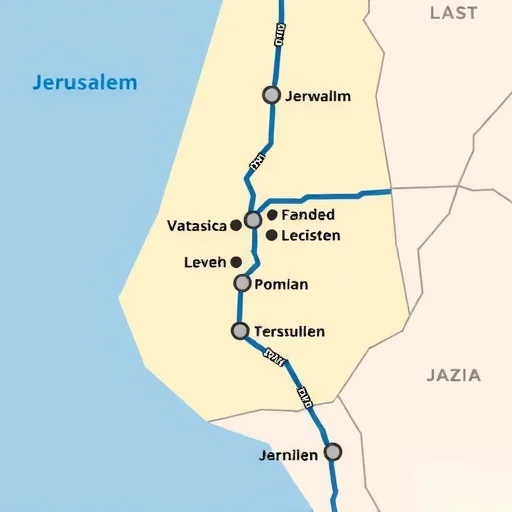
When planning a self-drive tour of Jerusalem, the key is to balance flexibility with practicality. This guide will walk you through everything you need to know—from choosing the right vehicle to navigating the city’s unique traffic rules and must-see attractions. Whether you’re a first-time visitor or a seasoned traveler, this self-drive itinerary will help you make the most of your time in one of the world’s most historically and religiously significant cities.
Jerusalem is a city that feels both ancient and alive, with its narrow streets, ancient ruins, and bustling markets. However, driving in the city can be a challenge due to its dense traffic, limited parking, and the need to navigate between multiple holy sites. The solution? Plan your route carefully, know the rules of the road, and be prepared for some unexpected detours.
Before you hit the road, it’s essential to understand the basics of driving in Jerusalem. The city has a complex network of roads, and traffic can be unpredictable. Most streets are one-way, and some areas are restricted to pedestrians. Additionally, parking can be difficult and expensive, especially near major attractions like the Old City or the Western Wall. To avoid the hassle, consider using a rental car with GPS navigation or planning your route around public transportation options.
Choosing the right vehicle is also important. A compact car is ideal for navigating the tight streets, while a larger vehicle may be difficult to maneuver. If you’re driving from outside the city, be sure to check the rental company’s policies regarding tolls and parking. Some rental companies offer free or discounted parking at certain locations, which can save you time and money.
One of the biggest challenges of driving in Jerusalem is the traffic. The city is known for its heavy congestion, especially during peak hours. To avoid getting stuck in a traffic jam, try to plan your visits to major sites during off-peak times. For example, visiting the Western Wall early in the morning or late in the evening can help you avoid the crowds. Additionally, using a navigation app like Google Maps can help you find alternative routes and avoid the busiest streets.
Another important consideration is the city’s religious diversity. Jerusalem is home to three major religions—Judaism, Christianity, and Islam—each with its own sacred sites and traditions. When driving, be respectful of the local customs and avoid entering restricted areas. For example, the Old City is divided into four quarters, each with its own entry points and regulations. Make sure to check the opening hours and dress code for each site before you visit.
To give you a better idea of how to plan your self-drive tour, let’s look at a sample itinerary. Start your day by heading to the Damascus Gate and exploring the Old City. From there, drive to the Garden of Gethsemane and the Kidron Valley. In the afternoon, visit the Tower of David Museum and the Jerusalem Biblical Park. If you have time, take a short drive to the Mount of Olives for panoramic views of the city.
If you’re planning to visit the Western Wall, be prepared for long lines and crowded areas. Consider arriving early or using a guided tour to skip the lines. Also, be mindful of the local traffic rules, especially when driving near religious sites. Some areas may have reduced speed limits or restricted access to certain vehicles.
For those who prefer not to drive, Jerusalem also has an efficient public transportation system, including buses and taxis. However, if you’re looking for flexibility, a self-drive tour can be a great way to explore the city at your own pace. Just be sure to plan your route carefully and stay informed about the local conditions.


Comments
Anonymous
I followed this guide and it made my trip so much smoother. The tips on avoiding traffic and parking were a lifesaver!
Anonymous
The image of the car near the Western Wall was really helpful. It gave me an idea of what to expect when visiting.
Anonymous
The itinerary was perfect for my first visit. I didn’t know about the restricted areas, but the guide helped me navigate safely.