
Winter in Northeast China is not just cold—it’s a season of breathtaking landscapes, rich traditions, and unique experiences. If you’re wondering how to make the most of your winter trip to this region, this guide will help you plan an unforgettable journey. From the snow-covered forests of Changbai Mountain to the bustling markets of Harbin, Northeast China offers something for every traveler. Whether you’re a first-time visitor or a seasoned traveler, this guide will show you how to experience the best of the region during the winter months.
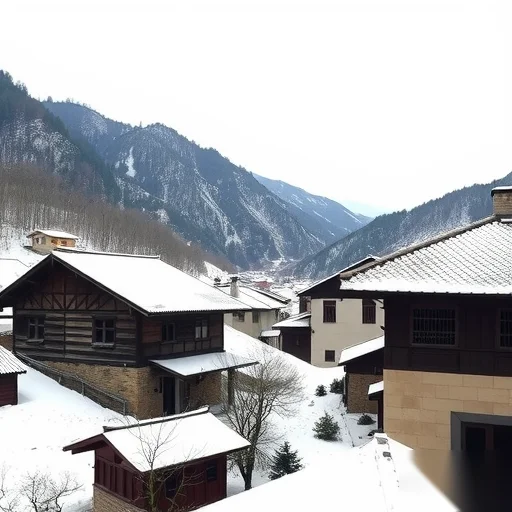
Winter in Northeast China is known for its heavy snowfall, which transforms the landscape into a magical winter wonderland. However, this cold weather also brings a unique charm that makes the region a must-visit destination. The snow-covered mountains, frozen lakes, and traditional villages create a scene that feels almost like a postcard. But how do you make the most of this experience? The answer lies in planning your trip carefully.
First, it’s important to understand the best times to visit. Northeast China experiences its heaviest snowfall between December and February, making it the ideal time for winter activities. However, this period also means that temperatures can drop significantly, so it’s essential to pack warm clothing and be prepared for the cold. The region’s winter festivals, such as the Ice and Snow Festival in Harbin, also take place during this time, offering a chance to experience local culture in a unique setting.
Next, consider the activities you want to do. Northeast China is famous for its winter sports, including skiing and ice skating. The Changbai Mountains are home to some of the best ski resorts in the country, while the frozen lakes in Heilongjiang offer excellent opportunities for ice fishing and ice walking. For those who prefer a more relaxed experience, visiting traditional villages and tasting local cuisine can be just as rewarding.
When planning your itinerary, it’s also important to consider the logistics of traveling during the winter months. Transportation can be more limited, especially in remote areas, so it’s best to book accommodations and transportation in advance. Additionally, some attractions may have limited operating hours or require special permits, so it’s a good idea to check with local authorities or travel agencies for the most up-to-date information.
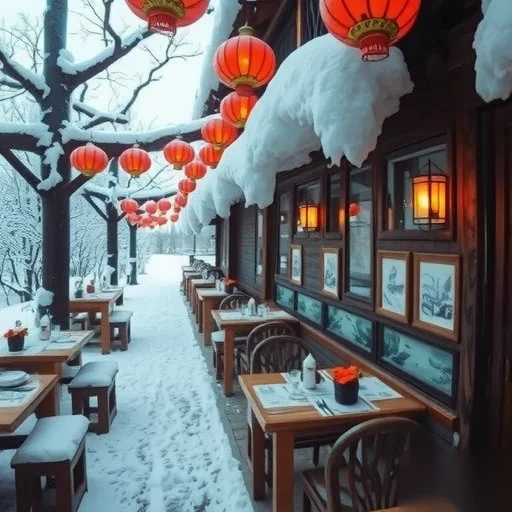
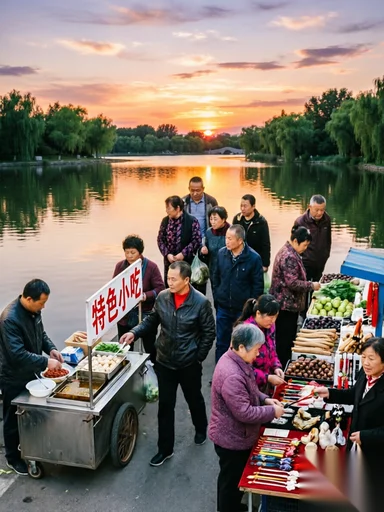
One of the most popular winter destinations in Northeast China is Harbin. Known as the “Ice City,” Harbin is famous for its annual Ice and Snow Festival, which takes place from late December to early February. The festival features massive ice sculptures, ice buildings, and a variety of winter activities. Visitors can also enjoy the city’s traditional markets, where they can find warm winter foods like hot pot and roasted meats.
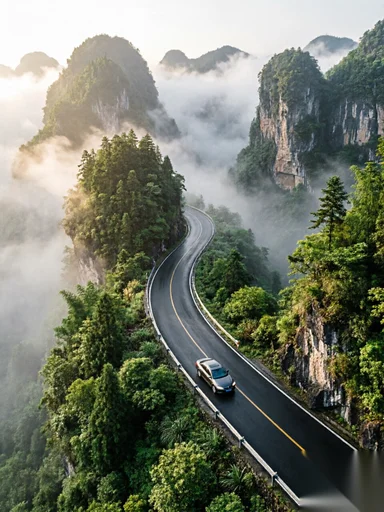
Another must-visit destination is Changbai Mountain, located in Jilin Province. The mountain is covered in snow during the winter months, making it a perfect spot for skiing and snowboarding. The area also offers a unique opportunity to see the famous Changbai Mountain Hot Springs, which provide a warm contrast to the cold outdoor environment.
For those who enjoy a more cultural experience, visiting the traditional villages in Heilongjiang can be a highlight of the trip. These villages, often surrounded by snow-covered forests, offer a glimpse into the local way of life. Visitors can participate in traditional activities such as ice fishing, snow carving, and winter festivals.
To make the most of your trip, it’s important to plan your activities in advance. This includes booking accommodations, arranging transportation, and purchasing tickets for popular attractions. It’s also a good idea to pack warm clothing, including thermal layers, insulated jackets, and waterproof boots. Additionally, carrying a small first-aid kit and emergency supplies can be helpful in case of unexpected weather changes.
A great example of how to plan a successful winter trip to Northeast China is the experience of a traveler who visited Harbin during the Ice and Snow Festival. They booked their accommodations in advance, arranged for a guided tour of the festival grounds, and packed all the necessary winter gear. As a result, they were able to fully enjoy the festival without any major issues.
In conclusion, winter in Northeast China is a season of wonder and beauty. By planning your trip carefully and choosing the right activities, you can create an unforgettable experience. Whether you’re looking for adventure, culture, or simply a peaceful retreat in a snowy landscape, Northeast China has something to offer.

Comments
Anonymous
The article gave me a clear idea of how to plan a winter trip to Northeast China. I’m planning to visit Changbai Mountain next month—can’t wait!
Anonymous
I just returned from Harbin and it was absolutely magical. The Ice and Snow Festival was incredible, and the local food was amazing. I’ll definitely come back!