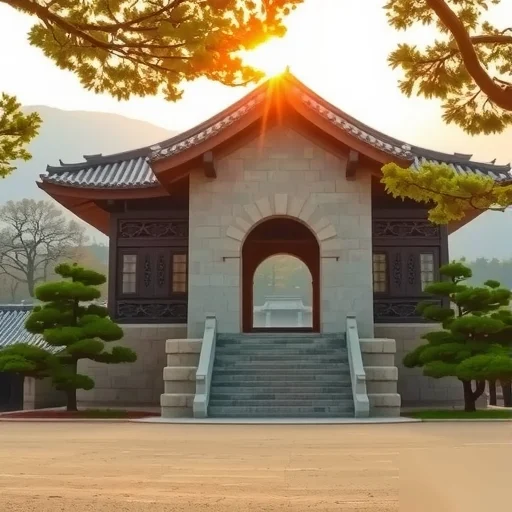

Gyeongju, the ancient capital of the Silla Kingdom, is a treasure trove of history and culture. If you’re wondering how to plan a perfect trip to Gyeongju, this guide will help you navigate the city’s rich heritage, hidden gems, and must-visit spots. Whether you’re a history enthusiast or a first-time traveler, this step-by-step approach will ensure you make the most of your visit.
Gyeongju is often called the “Museum Without Walls” because of its numerous historical sites. However, with so many attractions to explore, it can be overwhelming to know where to start. The key to a successful trip lies in planning ahead, prioritizing the most iconic sites, and understanding the city’s historical significance. By following a clear itinerary and making the most of local transportation, you can experience Gyeongju’s wonders without feeling rushed or lost.
Start by researching the main attractions. Gyeongju has over 1,000 cultural heritage sites, but some are more essential than others. The Bulguksa Temple, Seokguram Grotto, and the Cheomseongdae Observatory are must-see landmarks. These sites not only highlight the architectural brilliance of the Silla era but also offer insight into the spiritual and scientific advancements of the time. Once you’ve identified your top priorities, create a daily schedule that balances sightseeing with time for rest and reflection.
Transportation in Gyeongju is convenient, but it’s still worth planning your routes. The city is relatively small, and most attractions are within walking distance or a short bus ride from each other. Renting a bike or using the local bus system can save you time and money. Additionally, consider purchasing a Gyeongju Pass, which grants access to multiple museums and historical sites for a discounted rate. This can help you save money while ensuring you don’t miss out on any key experiences.
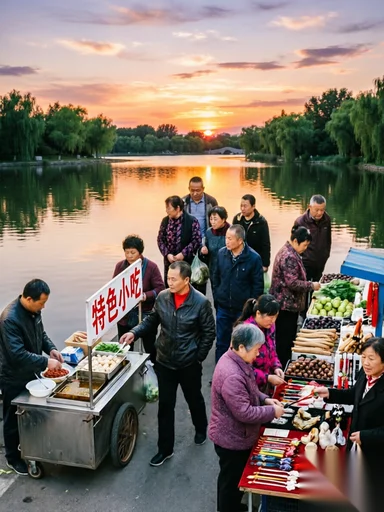
A well-planned itinerary also includes local cuisine and cultural experiences. Gyeongju is known for its traditional Korean dishes, such as bibimbap, kimchi, and samgyeopsal. Many restaurants in the city offer a taste of the local culture, and some even have historical themes. Don’t forget to try the famous Gyeongju beef, which is known for its tenderness and rich flavor. In addition to food, visiting local markets and participating in cultural workshops can give you a deeper understanding of the city’s traditions.
One of the best ways to experience Gyeongju is by exploring its historical sites with a local guide. A guided tour can provide valuable context and insights that you might miss on your own. Many tour companies offer day trips that include transportation, entrance fees, and expert commentary. This is especially helpful if you’re interested in the history of the Silla Kingdom or the religious significance of the temples.
To illustrate how planning can enhance your visit, consider the example of a traveler who spent a week in Gyeongju. They started by researching the top attractions and created a detailed itinerary that included the most important sites. They rented a bike to explore the city more freely and used the Gyeongju Pass to save money. They also visited local markets and tried traditional dishes, making their trip both educational and enjoyable. By following this approach, they were able to fully immerse themselves in Gyeongju’s history and culture without feeling overwhelmed.
Another important aspect of planning your trip is understanding the best times to visit. Gyeongju can be crowded during peak tourist seasons, such as spring and autumn, when the weather is pleasant and the city is vibrant with activity. If you’re looking for a more tranquil experience, consider visiting during the off-peak months. This will allow you to enjoy the sites without the crowds and have more time to appreciate the details of each attraction.
In addition to the main historical sites, Gyeongju has many lesser-known spots that are worth exploring. The Gyeongju National Museum, for example, houses an extensive collection of artifacts from the Silla era, including ancient pottery, sculptures, and royal tombs. The Silla Royal Tombs are another highlight, offering a glimpse into the lives of the Silla kings and their burial practices. These sites, while less crowded, provide a deeper understanding of the city’s historical significance.
Finally, make sure to take time to relax and enjoy the local atmosphere. Gyeongju is a city that blends history with modernity, and there are plenty of cafes, parks, and cultural spaces where you can unwind. Whether you’re sipping on a cup of traditional Korean tea or simply strolling through the historic streets, you’ll find that Gyeongju has



Comments
anonymous
I'm planning a trip to Gyeongju soon and this guide will be my go-to resource. Thanks for the helpful advice!
anonymous
This step-by-step guide sounds perfect for first-time visitors. I'll definitely follow these tips to make the most of my trip.
anonymous
The photos in the article really capture the beauty of Gyeongju. It's clear why this city is a must-see for history lovers.
anonymous
Gyeongju is absolutely magical! I can't wait to visit and explore all the historical sites mentioned in this guide.