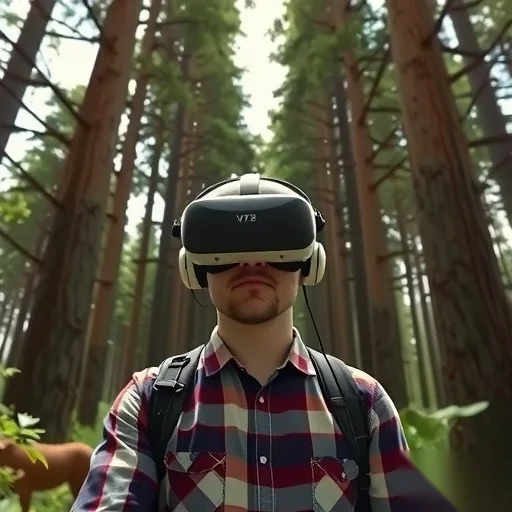
Virtual reality (VR) travel has become a popular way for people to explore the world without leaving their homes. Whether you’re a tech enthusiast, a budget traveler, or someone with physical limitations, VR offers a unique and immersive experience. This guide will walk you through the essentials of VR travel, from choosing the right equipment to planning your virtual itinerary.
With the rise of VR technology, more and more people are turning to virtual travel as a way to experience different cultures, landscapes, and even historical sites. But how do you get started? The key is to understand the basics of VR travel and how to make the most of it. This guide will help you navigate the world of VR tourism and discover the best ways to enjoy it.
First, you need to choose the right VR headset. There are several options on the market, ranging from high-end devices like the Oculus Quest 3 to more affordable models like the Google Cardboard. Each has its own advantages, so it’s important to consider your budget, comfort, and the type of experience you’re looking for. Once you have the right equipment, the next step is to find a reliable VR travel platform. Platforms like Google Earth VR, AltspaceVR, and Mirocopia offer a wide range of virtual destinations, from famous landmarks to remote wilderness areas.
Planning your virtual trip is just as important as the actual experience. Start by researching the destinations you’re interested in. Look for reviews and recommendations from other VR travelers to get a sense of what to expect. You can also check if the destination offers guided tours or interactive experiences that enhance the immersion. Once you’ve selected your destinations, create a schedule that fits your time and preferences. Whether you want to spend a few hours exploring a city or take a virtual tour of a museum, planning ahead ensures you get the most out of your VR travel.
One of the best things about VR travel is the ability to experience places that are otherwise difficult to visit. For example, you can take a virtual tour of the Great Wall of China, explore the ruins of Machu Picchu, or even dive into the Great Barrier Reef. These experiences are not only educational but also incredibly engaging. VR technology allows you to interact with your surroundings in ways that traditional travel cannot offer, making it a unique and valuable tool for exploration.
Another advantage of VR travel is that it’s accessible to a wide range of people. Whether you’re an elderly individual with mobility issues or someone who can’t afford to travel to certain locations, VR provides an inclusive way to experience the world. It also offers a sustainable alternative to traditional travel, reducing the environmental impact associated with physical journeys. By using VR, you can explore the world without contributing to carbon emissions or overcrowding popular tourist sites.
To make your VR travel experience even more enjoyable, consider joining virtual communities and forums. These platforms allow you to connect with other VR travelers, share experiences, and even participate in group tours. Engaging with others can enhance your journey and provide new perspectives on the places you’re exploring. Additionally, some VR platforms offer social features that let you interact with others in real-time, making the experience more dynamic and interactive.
Let’s look at a real-world example. Imagine you’re interested in visiting the Amazon rainforest but can’t leave your home. With VR, you can don your headset and step into a virtual version of the rainforest. You can walk through towering trees, listen to the sounds of wildlife, and even interact with virtual guides who share information about the ecosystem. This experience is not only educational but also deeply immersive, allowing you to feel like you’re truly there.
In conclusion, VR travel is a powerful and innovative way to explore the world. It offers a unique blend of technology, education, and entertainment that can enrich your understanding of different cultures and environments. By following the steps outlined in this guide, you can make the most of your VR travel experience and discover new places that you might never have had the opportunity to visit otherwise.






Comments
Anonymous
This guide is incredibly helpful for someone who wants to explore the world without leaving home. I’ve tried a few VR experiences, but this gives me a clear roadmap to follow.
Anonymous
I love the idea of using VR to visit places that are difficult to reach. It’s a great way to stay curious and learn about different cultures.