
Traveling abroad for the first time can be both exciting and overwhelming. Whether you’re dreaming of a beach vacation in Bali or a cultural journey through Europe, the key to a smooth and unforgettable trip lies in proper planning. This guide will walk you through the essential steps to plan your first overseas trip, from choosing your destination to packing the right essentials. With a clear roadmap, you’ll be well on your way to making the most of your adventure.
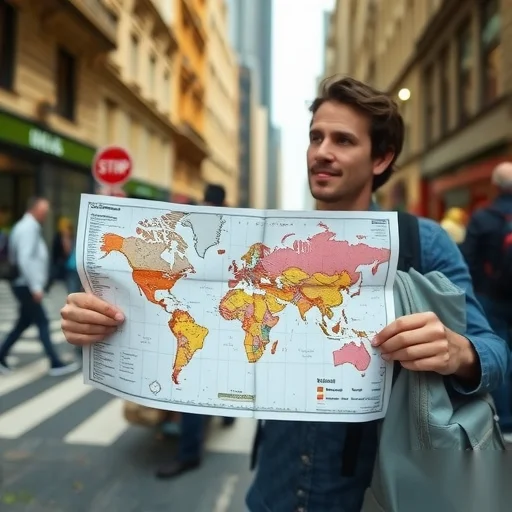
The first step in planning an overseas trip is to decide where you want to go. Consider your interests, budget, and how much time you have. Are you looking for relaxation, adventure, or culture? Once you’ve chosen a destination, research the best times to visit. For example, if you’re heading to a tropical island, the dry season will offer the most pleasant weather. You should also check visa requirements and travel restrictions to avoid any last-minute surprises.
Next, create a realistic budget that includes flights, accommodation, meals, and activities. It’s easy to underestimate costs, especially when you’re excited about your destination. Look for budget-friendly options like hostels or guesthouses, and consider booking flights in advance to save money. Don’t forget to factor in unexpected expenses, such as emergency travel insurance or transportation within the country. A well-planned budget will help you enjoy your trip without financial stress.
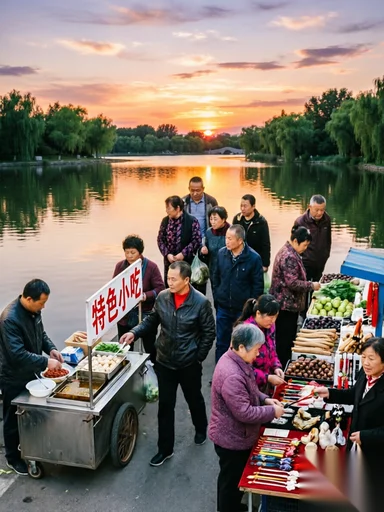
Once you have your destination and budget sorted, it’s time to plan your itinerary. Break down your trip into days and plan activities that align with your interests. If you’re a foodie, include local restaurants and street markets in your schedule. If you’re into history, book guided tours of historical sites. It’s also a good idea to leave some flexibility in your plan so you can explore spontaneously. A balanced itinerary ensures you have enough time to relax and enjoy the experience without feeling rushed.
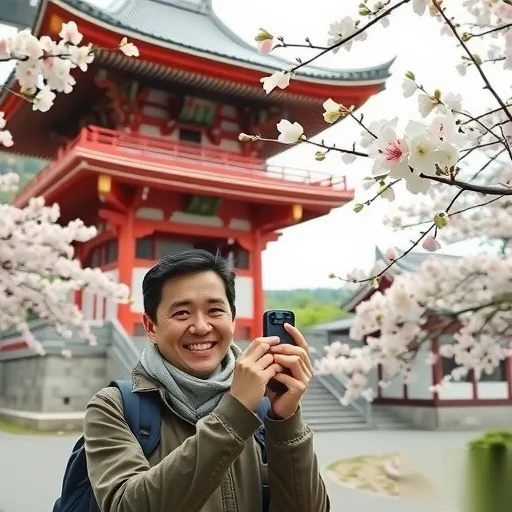
Let’s take a real-life example to illustrate how this works. Sarah, a first-time traveler, wanted to visit Japan. She started by researching the best times to visit and chose the spring season for the cherry blossoms. She created a budget that included round-trip flights, a mix of hotels and guesthouses, and allocated funds for food and activities. She planned her itinerary around Tokyo, Kyoto, and Osaka, including visits to temples, museums, and local markets. She also booked a few day trips to nearby attractions. By following this structured approach, Sarah had a stress-free and memorable trip.
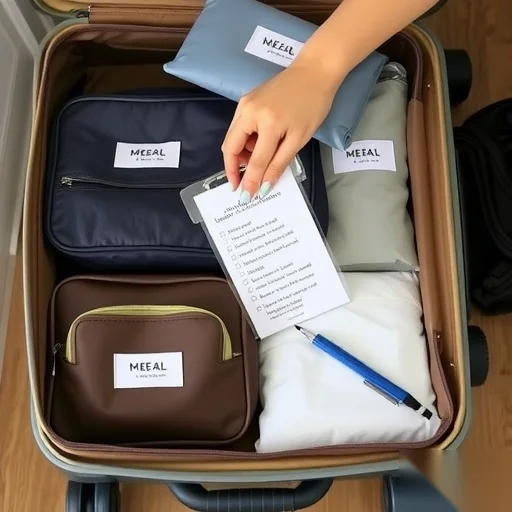
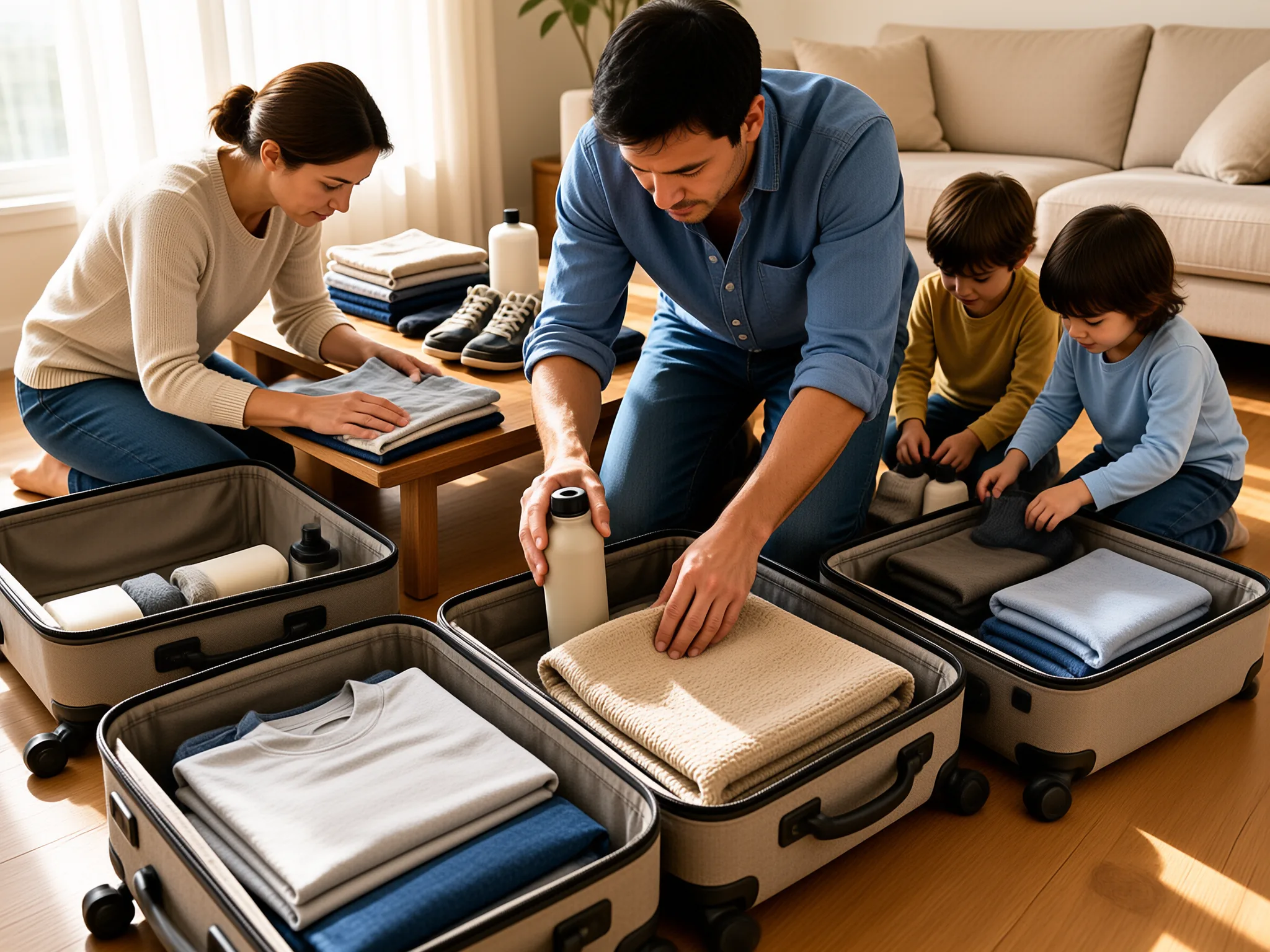
Packing is another essential part of planning. Make a checklist of essentials like clothing, toiletries, and travel documents. Depending on your destination, you may need specific items such as a swimsuit for the beach or a sweater for cooler weather. Don’t forget to pack a reusable water bottle, a portable charger, and a first-aid kit. It’s also wise to leave some space in your luggage for souvenirs. Proper packing ensures you’re prepared for any situation and can fully enjoy your trip without worrying about missing something.
Finally, stay informed and flexible. Check for any travel advisories or changes in local regulations before you leave. Keep your passport and important documents safe, and consider using a travel insurance policy for added security. Be open to new experiences and embrace the unexpected. Travel is about more than just seeing new places—it’s about learning, growing, and creating lasting memories.





Comments
Anonymous
The example with Sarah made it easier to understand how to plan a trip step by step. Very practical!
Anonymous
This guide was super helpful for my first trip to Thailand. I followed all the steps and had a great time!
Anonymous
I never thought about budgeting for unexpected expenses. That’s a great tip to avoid stress on the trip.