
$1880
$1690
7-Day Zhangjiajie Peaks & Ancient Town Adventure
4-star park-area and old-town stays
Harbin is the clearest choice for travelers who want a winter-specific China experience. The city is known for ice architecture, snowy riverfront scenes, and a built environment shaped in part by Russian influence, creating a mood that feels very different from the rest of the country.
Harbin is not simply another Chinese city with colder weather. In winter it becomes a destination built around ice architecture, illuminated night scenes, Russian-influenced streetscapes, and a distinctly northern atmosphere that feels unlike the rest of the country.
Harbin is strongest from mid-December through February, when the ice-and-snow attractions are fully active and the city feels true to its winter identity. Outside the cold season, the architecture and local history still matter, but the destination loses much of the reason travelers choose it in the first place.
Harbin works best as a winter-specific extension after Beijing or as a short standalone city break for travelers who want a colder-season China experience. It is less about checking many sights and more about choosing the right season and atmosphere.
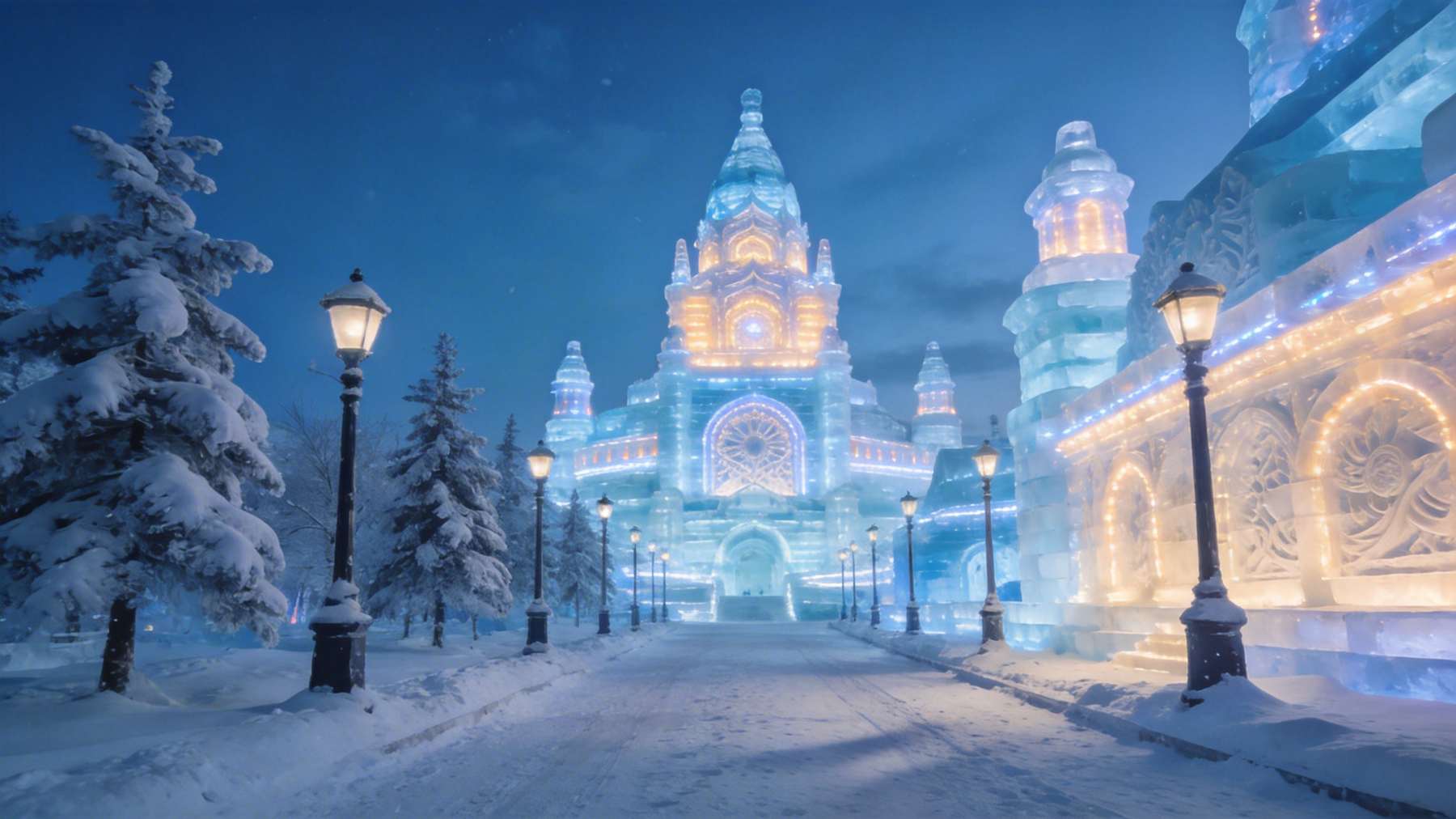
The strongest Harbin route mixes evening ice-and-snow spectacles with daytime heritage streets, winter food, and enough flexibility for cold-weather pacing.
$1880
$1690
4-star park-area and old-town stays

$1650
$1490
Central Chengdu 4-star hotel

$1540
$1390
Boutique or 4-star river area stays