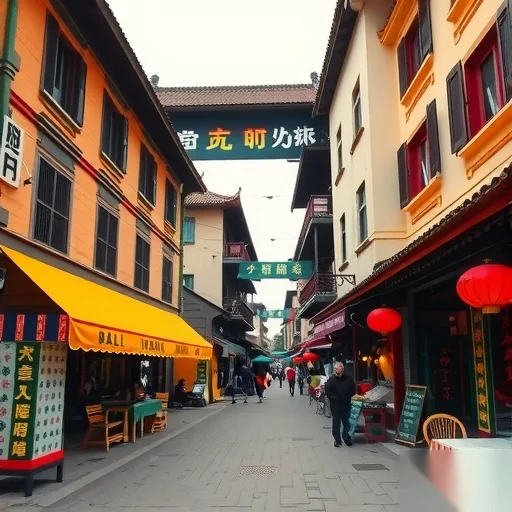
Traveling to Northeast China on your own can be both exciting and overwhelming, especially if you’re not familiar with the region’s unique culture, landscapes, and local customs. The key to a successful self-guided trip lies in planning strategically, understanding the local rhythm, and making the most of the region’s natural and cultural attractions. This guide provides a clear, step-by-step approach to help you design a personalized and unforgettable travel experience in Northeast China.
Whether you’re a first-time visitor or a seasoned traveler, knowing where to go, how to get there, and what to do will make your journey smoother and more enjoyable. Northeast China is known for its vast landscapes, from the snow-capped mountains of Heilongjiang to the historic cities of Shenyang and Dalian. With the right preparation, you can explore this region with confidence and comfort.
The first step in planning your self-guided trip is to determine your travel goals. Are you looking for a mix of nature and history, or do you prefer to focus on food and local culture? Once you have a clear idea of what you want to experience, you can begin to outline your itinerary. This includes choosing the right time to visit, selecting the best destinations, and booking accommodations that fit your preferences.
When planning your itinerary, it’s important to consider the season. Northeast China experiences harsh winters and hot summers, so timing your visit can significantly impact your experience. For example, visiting in late spring or early autumn allows you to enjoy the mild weather and vibrant landscapes, while winter offers unique opportunities to explore snow-covered forests and ice festivals. Additionally, some attractions may be closed during certain seasons, so it’s crucial to check in advance.
Once you have a basic plan, the next step is to organize your daily activities. This includes arranging transportation between cities, booking tickets for popular attractions, and ensuring that you have all the necessary travel documents. Many travelers prefer to use a combination of trains and buses for cost-effective travel, while others opt for flights for faster movement between destinations. It’s also a good idea to research local transportation options and consider using ride-hailing apps or rental cars for greater flexibility.
A well-structured itinerary should also include time for relaxation and exploration. Northeast China is home to a variety of local cuisines, from the hearty Northeastern dishes to the fresh seafood in Dalian. Don’t forget to include time for trying the local food and experiencing the unique culture of the region. Additionally, visiting local markets, attending cultural events, and interacting with the friendly locals can add a deeper dimension to your trip.
Let’s take a look at a sample itinerary for a 7-day self-guided trip to Northeast China. Day 1 could involve arriving in Shenyang and exploring the city’s historical sites, such as the Shenyang Imperial Palace. Day 2 might include a day trip to the nearby Zhangcha Lake, known for its scenic beauty and traditional villages. Day 3 could be spent in Dalian, where you can enjoy the beaches and coastal attractions. This sample itinerary demonstrates how to balance sightseeing, relaxation, and cultural immersion in a short period.


If you’re looking for a more relaxed pace, consider extending your stay in one city, such as Harbin, where you can experience the famous Ice and Snow Festival in winter or the beautiful cherry blossoms in spring. Alternatively, if you’re interested in nature, a trip to the Changbai Mountains in Jilin or the vast grasslands of Inner Mongolia can offer a different kind of adventure.
One of the most rewarding aspects of self-guided travel is the freedom to explore at your own pace. Whether you’re hiking through the mountains, visiting historical landmarks, or simply enjoying the local cuisine, each experience contributes to a deeper understanding of the region. It’s also a great opportunity to meet fellow travelers and share stories, which can enhance your journey.
Of course, no travel plan is perfect, and unexpected changes can happen. It’s important to remain flexible and open to new experiences. A self-guided trip allows you to adapt to the situation and discover hidden gems that you might not have found with a pre-arranged tour.
For those who prefer a more structured approach, there are also many travel resources and apps that can help you plan your trip. These tools can provide real-time updates on weather, transportation, and local events, ensuring that you have the information you need to make informed decisions.


In summary, planning a self-guided travel itinerary in Northeast China requires careful consideration of your



Comments
Anonymous
The article gave me confidence to plan my own itinerary. I'm especially looking forward to visiting the historical sites in Harbin.
Anonymous
I'm excited to try out the self-guided travel tips. The region has so much to offer, and I'm looking forward to discovering it on my own.
Anonymous
I'm planning a trip to Northeast China and this guide is exactly what I needed. It's reassuring to know how to navigate the region independently.
Anonymous
I've been to Northeast China before, but I learned a lot from the tips in this article. It's a great resource for first-time travelers.
Anonymous
Exploring Northeast China on my own was an eye-opening experience. I followed the tips from the article and it made everything much smoother.