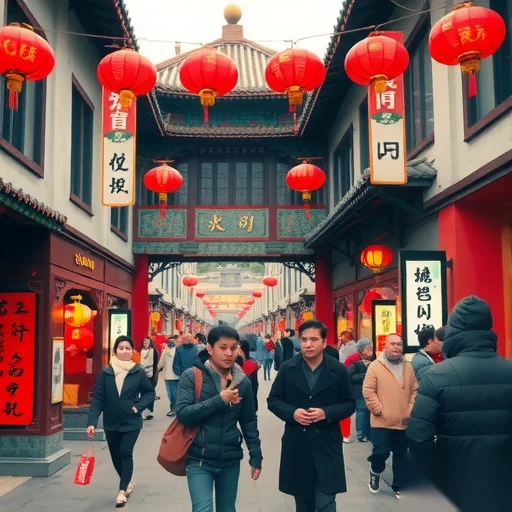
Traveling to Beijing during the Spring Festival is a dream for many, but with the city packed with tourists, it can be overwhelming to plan a trip that’s both enjoyable and stress-free. The key to a successful Beijing Spring Festival trip lies in proper planning, understanding local customs, and knowing where to go without the crowds. This guide will walk you through everything you need to know to make the most of your visit during one of China’s most vibrant holidays.
Beijing is a city that transforms during the Spring Festival, with festive decorations, traditional markets, and a bustling atmosphere. However, the sheer number of visitors can turn a dream vacation into a chaotic experience if not planned correctly. The first step is to decide on your travel dates—avoiding the peak holiday period if possible, or preparing for the crowds if you can’t change your plans. Once you have your dates, the next step is to create a flexible itinerary that balances popular attractions with hidden gems, ensuring you don’t miss out on the best parts of the city.
One of the most important things to consider is transportation. During the Spring Festival, trains and flights are in high demand, and tickets often sell out quickly. It’s advisable to book your transportation well in advance, especially if you’re traveling from other parts of China. If you’re flying, consider arriving a day early to avoid the rush. Once in Beijing, using the city’s metro system is the most efficient way to get around, but during peak times, it can be crowded. Planning your routes in advance and using apps to check real-time traffic and subway updates can help you avoid the worst of the crowds.
Accommodation is another key factor. Booking a hotel in advance is essential, as many places fill up weeks or even months in advance. If you’re looking for a more local experience, consider staying in a traditional courtyard house or a boutique hotel near the city’s main attractions. These options often offer a more authentic atmosphere and are sometimes less crowded than large hotels. Additionally, many local residents rent out rooms or apartments through platforms like Airbnb, which can be a great way to experience the city like a local.
When it comes to sightseeing, Beijing offers a wealth of experiences that are perfect for the Spring Festival. The Forbidden City and the Temple of Heaven are must-see attractions, but they can be packed with tourists. To avoid the worst of the crowds, consider visiting these sites early in the morning or during the late afternoon. The Summer Palace and the Great Wall of China are also popular, but visiting during the off-peak hours or on weekdays can help you enjoy these sites without the hassle of large crowds.
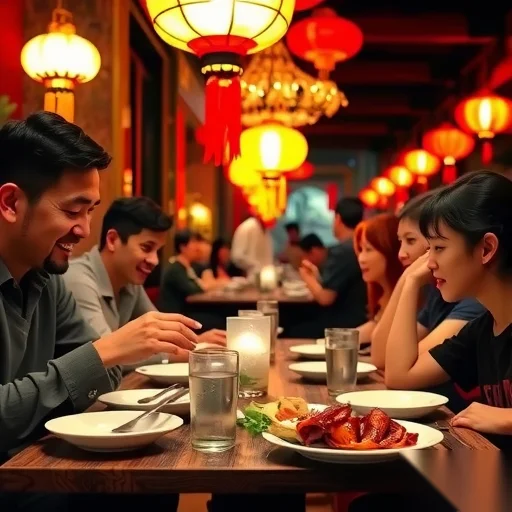
Food is an essential part of any trip to Beijing, and the Spring Festival is the perfect time to try local delicacies. From Peking duck to hot pot, the city offers a wide range of traditional dishes that are worth experiencing. However, during the holidays, many restaurants and street vendors can be difficult to access due to high demand. To avoid this, book your meals in advance or look for local food markets that remain open even during the busiest times. Some of the best places to eat include the hutong neighborhoods, where you can find traditional Beijing cuisine in a more relaxed and authentic setting.
For a more cultural experience, consider visiting traditional markets such as the Jianguomen Inner Street or the Wangfujing Street. These markets are filled with festive decorations, local crafts, and seasonal foods, making them a great place to explore and shop. However, be prepared for large crowds and plan your visit carefully to avoid the busiest times of the day.
If you’re looking for a more unique experience, consider visiting some of the lesser-known attractions in Beijing. The Zhongnanhai area, for example, offers a glimpse into the city’s political heart, while the Xidan neighborhood is known for its vibrant shopping streets and street food. These spots can provide a more local and authentic experience, especially if you’re looking to avoid the typical tourist traps.
To illustrate how these tips can work in practice, let’s take the example of a traveler who plans their trip carefully. They book their flight and accommodation three months in advance, ensuring they have a place to stay and a way to get around. They create a flexible itinerary that includes both popular and less crowded attractions, and they use apps to track traffic and crowds in real time. During their visit, they avoid the busiest times of the day and explore local markets and neighborhoods, allowing them to experience the best of Beijing without the stress of overcrowding.

[


Comments
Anonymous
I followed the guide’s tips on local customs and transportation, and it really helped me navigate the crowds smoothly. The food recommendations were a hit too—trying the street-side dumplings was an unforgettable experience.
Anonymous
Booking accommodations well in advance is crucial, especially during the Spring Festival. I managed to secure a hotel near Tiananmen Square by December, and it made all the difference in avoiding the last-minute chaos.