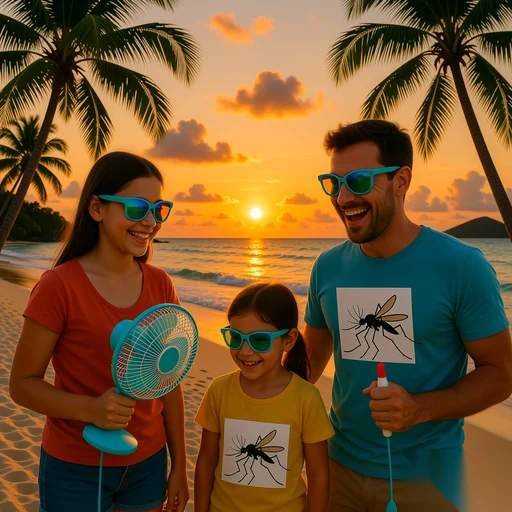
When planning a vacation to a tropical island, one of the biggest concerns is dealing with mosquitoes. These pesky insects can ruin your holiday with bites, itching, and even the risk of diseases. The good news is that with the right preparation and strategies, you can enjoy your island getaway without the nuisance of mosquitoes. This guide will walk you through the most effective ways to avoid mosquitoes on your vacation island, from prevention to treatment.
First and foremost, prevention is key. Mosquitoes are attracted to certain scents, such as sweat, perfume, and even the carbon dioxide we exhale. To minimize their presence, avoid wearing strong perfumes or colognes. Opt for natural, unscented lotions and clothing. Additionally, wearing long-sleeved shirts and long pants, especially during dawn and dusk when mosquitoes are most active, can significantly reduce the chances of being bitten.
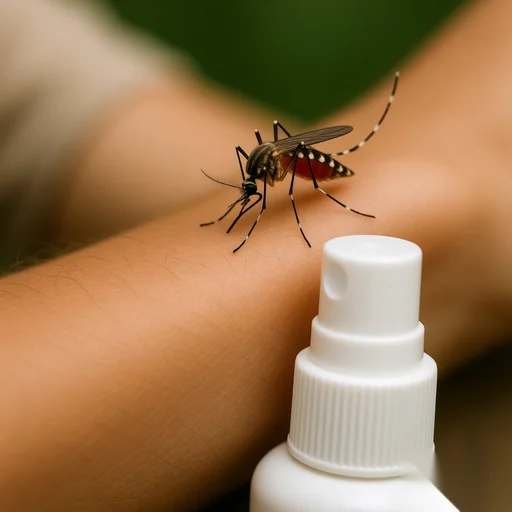
Another essential step is to use mosquito repellent. Look for products containing DEET, picaridin, or oil of lemon eucalyptus, as these are proven to be effective. Apply repellent to exposed skin and clothing, but avoid applying it directly to your face. Instead, spray it on your hands and then apply it to your face. It’s also a good idea to reapply repellent every few hours, especially if you’re outdoors for extended periods.
In addition to personal protection, creating an environment that’s less attractive to mosquitoes can make a big difference. Mosquitoes breed in stagnant water, so it’s crucial to eliminate any standing water around your accommodation. Check for containers that might collect rainwater, such as flower pots, buckets, or even old tires. If you’re staying in a rental property, inform the host about this issue so they can take necessary steps.
Using mosquito nets is another effective method, especially if you’re sleeping in an area without air conditioning. Hang a mosquito net over your bed or use a bed net with a built-in insect repellent. This provides a physical barrier that keeps mosquitoes away while you sleep.
If you do get bitten, it’s important to treat the wound promptly. Clean the bite with soap and water, and apply an antiseptic to prevent infection. You can also use over-the-counter anti-itch creams or oral antihistamines to relieve the discomfort. In case of severe reactions, such as swelling or difficulty breathing, seek medical attention immediately.
Let’s take a real-life example to illustrate how these strategies work. Imagine you’re visiting a remote island in Southeast Asia, where mosquitoes are a common problem. By following the steps above, you can enjoy your vacation without the hassle of constant bites. Start by packing mosquito repellent and wearing long clothing. Upon arrival, check your accommodation for any stagnant water and eliminate it. Use mosquito nets at night and avoid using scented products. If you do get bitten, treat it with an antiseptic and anti-itch cream. With these measures in place, you’ll be able to relax and enjoy the island without worrying about mosquitoes.
In addition to these personal measures, it’s also a good idea to use natural repellents. Plants like citronella, lavender, and eucalyptus are known to repel mosquitoes. You can use citronella candles or essential oils in your room to create a natural barrier. However, keep in mind that natural repellents may not be as effective as chemical-based ones, so it’s best to combine them with other methods.
Travelers should also be aware of the local mosquito-borne diseases, such as dengue fever or Zika virus, and take extra precautions if they are in high-risk areas. Research the health advisories for the island you’re visiting and follow the recommendations of local health authorities.
Lastly, staying informed and prepared is crucial. Check the weather forecast and plan your activities around times when mosquitoes are less active. Avoid outdoor activities during peak mosquito hours, which are typically at dawn and dusk. If you’re planning to visit a beach or a forested area, bring along a portable fan or use a mosquito repellent spray to create a breeze that keeps mosquitoes away.
By following these practical steps, you can significantly reduce the risk of mosquito bites and enjoy a more comfortable and enjoyable vacation. Whether you’re relaxing on a beach or exploring the island’s natural beauty, taking the right precautions will ensure that mosquitoes don’t spoil your trip.





Comments
Anonymous
I’ve been to several tropical islands, and this guide is exactly what I needed! The tips about eliminating standing water were especially helpful.