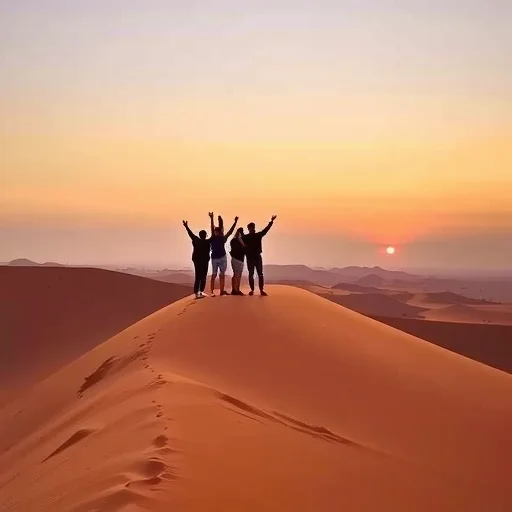
Desert travel can be a thrilling and unforgettable experience, but it’s also one of the most challenging adventures you can undertake. If you’re wondering how to explore the desert without getting lost, the answer lies in preparation, knowledge, and the right tools. This guide will walk you through everything you need to know to safely and enjoyably navigate the desert, from understanding the environment to planning your route and staying safe. Whether you’re a first-time traveler or a seasoned adventurer, this guide will help you avoid the common pitfalls and make the most of your desert journey.
Before you set foot in the desert, it’s essential to understand the unique challenges it presents. Unlike urban environments, deserts are vast, with little to no landmarks, and the sun can be extreme. Without proper preparation, you risk dehydration, disorientation, and even life-threatening situations. The key to a successful desert trip is to be aware of the environment and to plan accordingly.
First and foremost, research the specific desert you plan to visit. Each desert has its own climate, terrain, and wildlife. For example, the Sahara Desert is known for its extreme temperatures and vast dunes, while the Gobi Desert is more arid and has rocky landscapes. Knowing what to expect will help you pack the right gear and prepare for the conditions. Additionally, check the weather forecast and travel advisories before your trip.
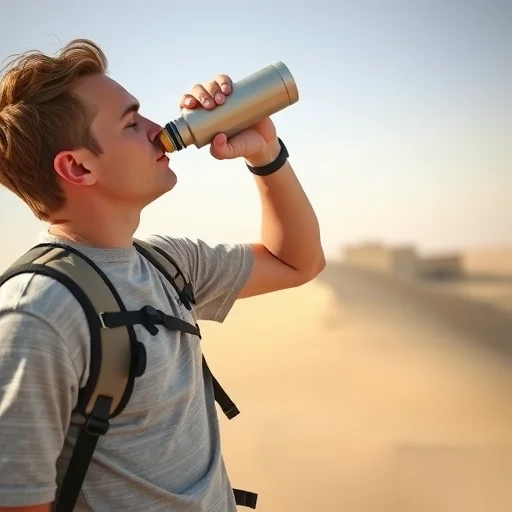
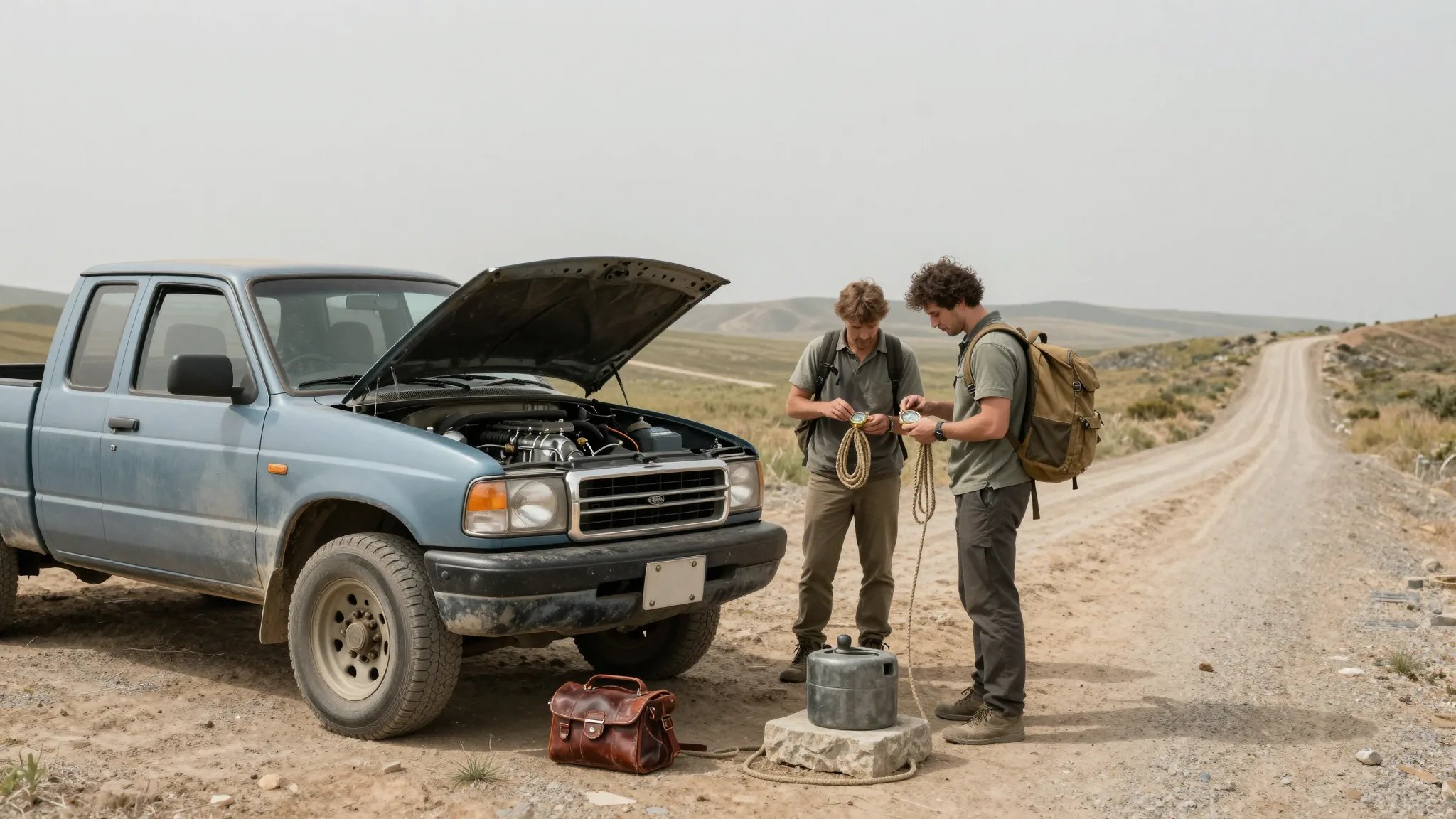
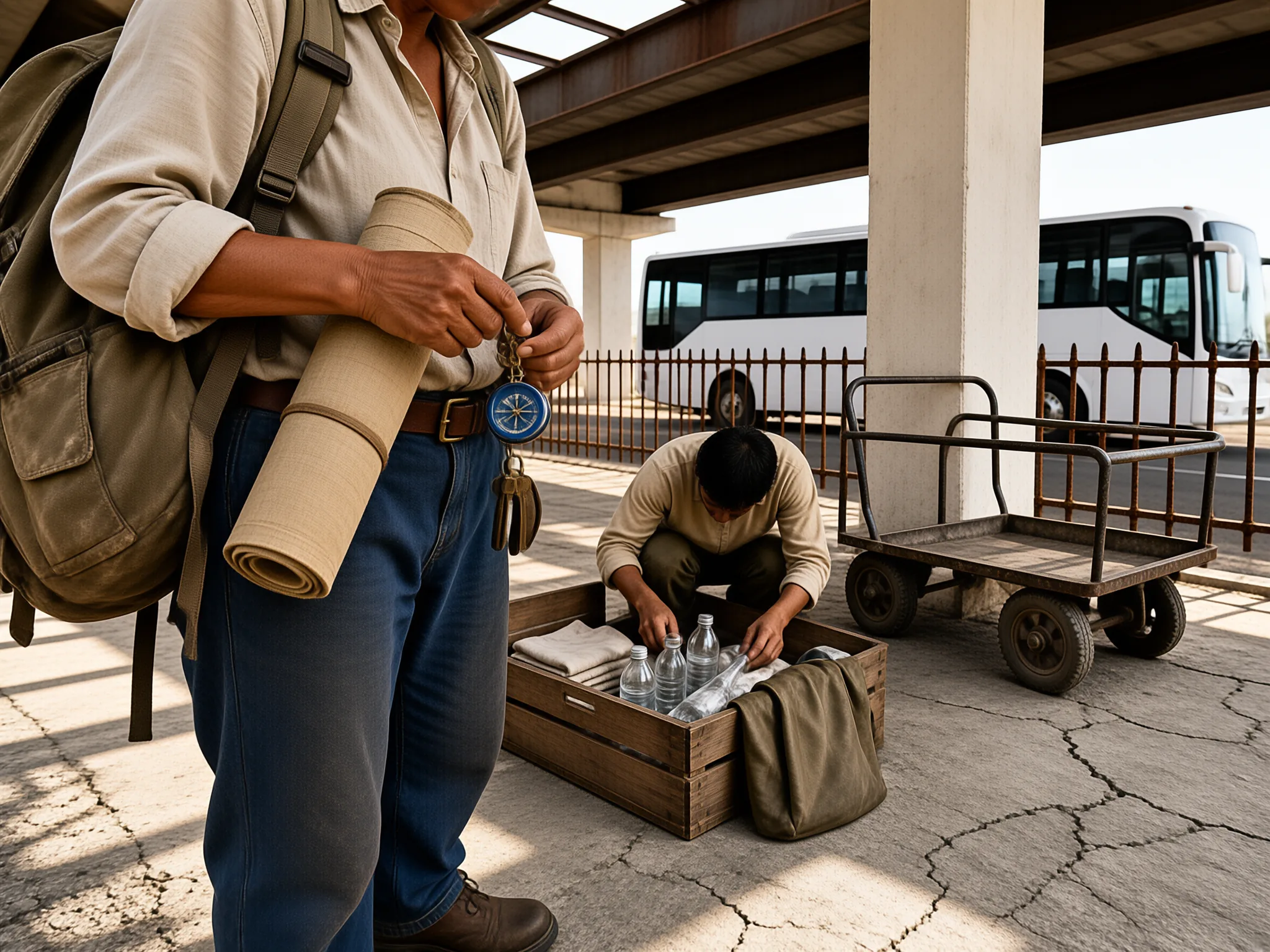
Next, equip yourself with the right tools and supplies. A reliable GPS device or a smartphone with offline maps is essential for navigation. However, it’s also wise to carry a physical map and compass as a backup, in case of signal loss or battery failure. Staying hydrated is crucial, so bring plenty of water—ideally, at least 3 liters per person per day. Pack high-energy snacks, such as nuts, dried fruits, and energy bars, to keep your energy levels up.
Dress appropriately for the desert climate. Lightweight, breathable clothing is ideal, but it’s also important to protect yourself from the sun. Wear a wide-brimmed hat, sunglasses, and long sleeves to shield your skin from UV rays. Sunscreen with a high SPF is a must, as well as moisture-wicking clothing to stay cool and comfortable.
Safety should always be your top priority. Never travel alone in the desert, and always inform someone of your route and expected return time. If you’re hiking or driving, carry a first-aid kit, a whistle, and a fully charged power bank. It’s also a good idea to travel with a group or join a guided tour, especially if you’re unfamiliar with the area.
Let’s take a real-world example to illustrate how these principles can be applied. Imagine you’re planning a trip to the Mojave Desert in California. You’ve researched the area and learned that it can get extremely hot during the day and cold at night. You’ve packed your essentials: a GPS device, plenty of water, and a tent for overnight stays. You’ve also chosen to join a guided tour to ensure you have expert guidance and safety measures in place. On the first day, you follow the guide’s instructions, staying on marked trails and avoiding the hottest parts of the day. By the end of the trip, you’ve safely explored the desert, seen its unique landscapes, and returned home with unforgettable memories.
Another important aspect of desert travel is knowing when to stop and rest. The desert can be deceptive—what seems like a short distance can quickly become a long trek. Take regular breaks to hydrate, rest, and adjust your pace. If you start feeling unwell, it’s crucial to stop and seek shade or shelter immediately. Don’t push yourself beyond your limits, as the desert can be unforgiving.
Finally, respect the environment and leave no trace. The desert is a fragile ecosystem, and your actions can have a lasting impact. Avoid littering, stay on designated trails, and avoid disturbing wildlife. By being mindful of your surroundings, you help preserve the beauty of the desert for future travelers.
In conclusion, exploring the desert without getting lost requires preparation, knowledge, and the right tools. By understanding the environment, packing appropriately, and prioritizing safety, you can have an unforgettable adventure in one of the world’s most unique landscapes. Whether you’re hiking through the dunes of the Sahara or exploring the canyons of the Grand Canyon, the key is to stay informed and stay safe.



Comments
Anonymous
I love the idea of seeing the desert at sunrise. The image you described makes me want to plan a trip right away.
Anonymous
This guide seems essential for anyone heading into the desert. Safety first, especially in such a harsh environment.
Anonymous
Exploring the desert sounds amazing, but I'm a bit nervous about getting lost. I'll definitely follow the tips in this guide.