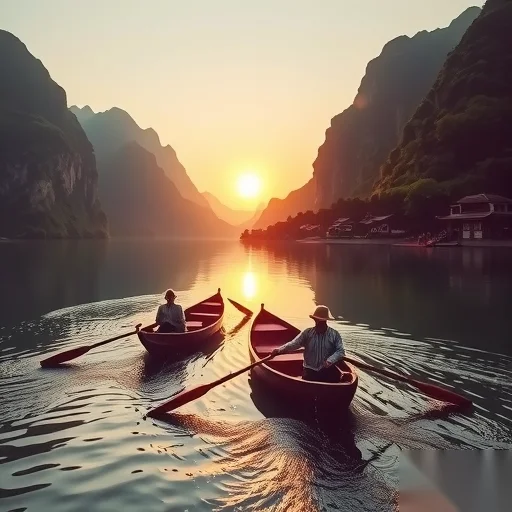
Ugu Lake isn’t just another pretty waterbody on the map—it’s a quiet volcanic wonder tucked away in northeastern China’s Heilongjiang province, and the best way to experience it is by skipping the rushed tour groups and embracing a slow, multi-day itinerary that mixes kayaking, wetland hiking, and hot spring soaks. Most travelers miss its true character because they only stop for an hour at the main viewing deck. But if you give it two full days, you’ll uncover steaming geothermal inlets, rare bird colonies, and local fermented fish dishes that aren’t listed on any commercial menu.
The confusion starts with the name itself. Some maps call it “Wudalianchi,” which is actually the larger volcanic lake chain, while Ugu Lake is a smaller, quieter crater lake within that system. I’ve seen visitors spend hours driving to the wrong dock because they searched for “Ugu” on outdated GPS data. The underlying problem is that most English-language resources lump all five volcanic lakes together, but locals know Ugu as the one without motorboat noise—its water is so clear that you can see submerged lava ropes three meters down. Understanding this difference is the first step to a genuine visit.
So how do you plan the route? Start from the town of Wudalianchi (confusing, I know), then take a local minibus or a 20-minute taxi to the south shore of Ugu. Do not buy the combo ticket for all five lakes on your first day. Instead, pay the single-entry fee (about 50 RMB) and walk the eastern boardwalk at 6:30 AM. That’s when the mist rises from the cold lake surface, and you’ll spot great egrets fishing near the reed beds. I packed a thermos of tea and a light jacket even in July—morning chill off the water is real.
For the afternoon, rent a kayak from Uncle Zhao’s shack near the north pier. He doesn’t speak English, but pointing at the yellow kayak and holding up two fingers works. Paddle toward the west side where small gas bubbles occasionally pop on the surface—those are carbon dioxide vents from residual volcanic activity. It’s completely safe, but the sensation is odd, like the lake is gently breathing under you. I spent an hour just floating above a submerged lava arch, watching sunlight filter through the crystal water onto moss-covered rocks. That single hour felt more valuable than any museum tour.
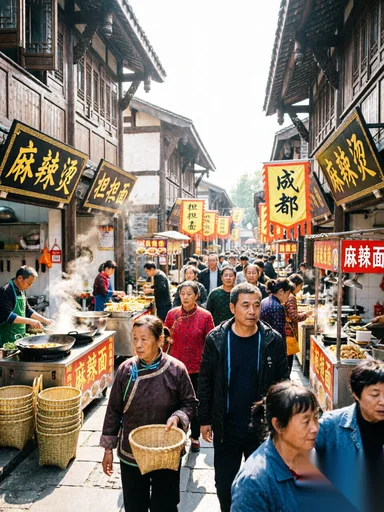
Food-wise, you have to try “hei yu doufu” (black fish tofu stew) at Lao Fang’s Home Kitchen, a 10-minute walk from the lake’s south gate. The fish is caught overnight from Ugu’s deeper basin, and the tofu absorbs a smoky mineral taste you won’t find elsewhere. One traveler next to me called it “volcanic tofu” because locals believe the underground heat alters the bean curd’s fermentation. I can’t verify the science, but after two bowls, I didn’t care.
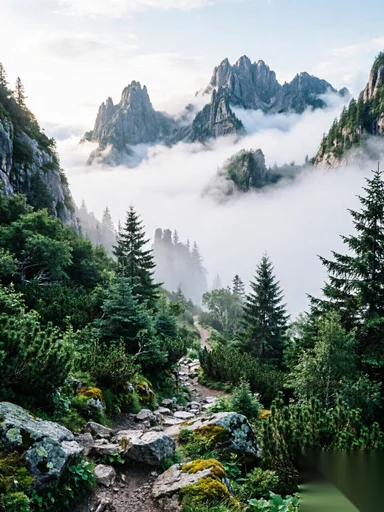
Now for a concrete example. Last September, I met a solo hiker named Sarah from Vancouver who had read the same fragmented blog posts I did. She originally planned one afternoon at Ugu. After talking to a retired geologist at the lakeside information center (a small wooden hut with hand-painted signs), she rearranged her entire week. Here’s what her revised two-day itinerary looked like: Day one—sunrise boardwalk walk, kayaking to the gas vents, lunch at Lao Fang’s, afternoon hike up the old volcanic cone (trailhead 500 meters past the north pier) for a top-down view of the lake’s perfect oval shape, then sunset at the west hot spring seep where you can actually dip your feet into naturally warm shallows. Day two—bird hide near the southern marsh from 7 AM to 10 AM (she counted 23 species, including a rare Siberian crane), followed by a guided half-day walk with Uncle Zhao’s nephew who knows the old lava tunnel system. She spent less than 400 RMB on activities and said the tunnel walk—crawling through a 200-meter pitch-black lava tube with just a headlamp—was the highlight of her China trip.
The mistake most people make is treating Ugu Lake as a photo stop. They snap the obligatory reflection shot from the stone pavilion and leave. But the real depth reveals itself when you slow down—when you notice how the water temperature changes from one cove to another, how the local fishermen mend their nets with a specific knot unique to this region, how the evening light turns the volcanic cliffs a bruised purple. You don’t need a guidebook for that. You just need time and curiosity.
Packing essentials: waterproof hiking sandals (the shoreline is sharp lava rock), a wide-brim hat, biodegradable sunscreen (the lake ecology is fragile), and a dry bag for your camera. No need for heavy boots unless you’re doing the full crater rim trek. And please, no drones near the bird sanctuary—local volunteers will politely but firmly ask you to land it.
(Just came back from Ugu Lake last week. The kayaking to the gas vents is unreal—felt like paddling over a giant sleeping creature. Uncle Zhao even gave us homemade blueberry juice. Skip the main Wudalianchi park entrance chaos, seriously.)
(Thank you for mentioning the GPS issue. I wasted two hours driving to a completely different small pond because Baidu Maps showed “Ugu” as a dried-up ditch near a quarry. The lava tube walk is not for claustrophobic people though—my husband panicked halfway.)
(As a birdwatcher, I can confirm the morning marsh hide is world-class. Saw a pair of Oriental storks. Also, the “volcanic tofu” story is exaggerated but the stew is legit delicious. Just don’t expect English menus at Lao Fang’s—use your phone translator and smile.)
(Your line about “the lake breathing under you” gave me chills. I’ve been there twice and never noticed the bubbles. Going back in October with my geology club. Any chance you have the exact coordinates for the submerged lava arch?)
Explore Ugu Lake like a local: kayak gas vents, lava tubes, and volcanic tofu stew.
FINISHED乌古湖深度游英文文案生成



Comments
Anonymous
about 50 RMB
Anonymous
black fish tofu stew
Anonymous
trailhead 500 meters past the north pier
Anonymous
a small wooden hut with hand-painted signs
Anonymous
confusing, I know