Laojun Mountain offers more than dramatic peaks and ancient temples;
its culinary landscape is a practical challenge for travelers who want flavor without wasting time or money. This guide solves the common problem of finding reliable, affordable, and authentic meals in a high-altitude tourist zone by mapping out water banquet houses, night market stalls, and temple vegetarian kitchens. Whether you are on a seven-day circuit or a weekend sprint, the key is to match your meal strategy to your physical exertion and the specific elevation of your stop.
Most visitors arrive with a checklist of scenic points but leave confused by rising prices and unfamiliar names. The mountain food scene is fragmented: official restaurants near the cable car charge premium rates, while family-run soup houses in the lower villages offer better value but require local direction. Understanding this split is the first step toward eating well without overspending or going hungry between cable car rides.
How to Choose Between Water Banquet and Street Food
The water banquet is a traditional multi-course meal served in designated local eateries, often priced between 80 and 150 yuan per person. It offers structured variety: cold appetizers, hot soups, braised meats, and steamed vegetables. The advantage is portion size and nutritional balance after a day of climbing. However, the setting is usually formal, and wait times can exceed thirty minutes during peak hours. Street food, by contrast, is sold at night markets and mid-mountain kiosks, where skewers, flatbreads, and soup bowls cost 10 to 25 yuan each. The trade-off is less protein variety and higher salt content, but the speed and flexibility suit hikers who need quick calories between summit pushes.
For a seven-day itinerary, the practical approach is to alternate: reserve one water banquet dinner for rest days in the base town, and use street food for lunch stops on active climbing days. This balances recovery nutrition with on-the-go energy. Avoid ordering water banquet at the summit restaurants;
the markup is steep, and the quality often dips due to high turnover and limited ingredient storage at altitude.
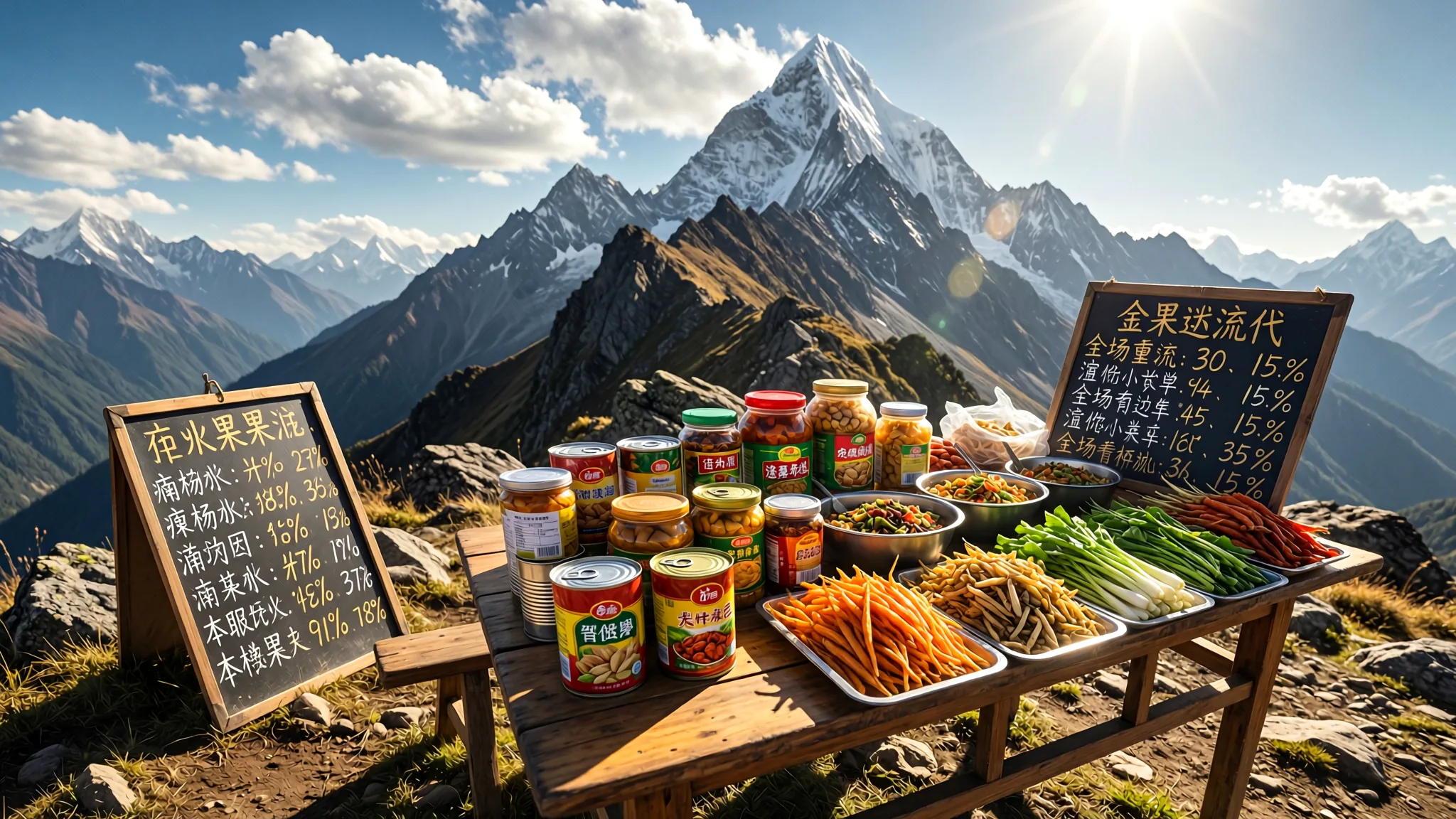
Where to Find Reliable Soup Houses and Temple Kitchens
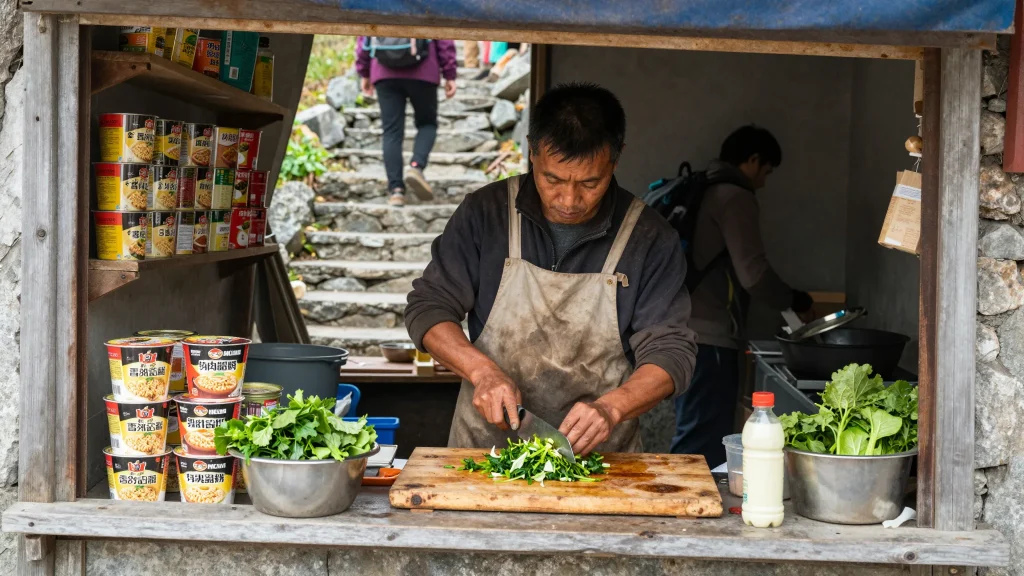
Soup houses are the unsung infrastructure of Laojun Mountain dining. They typically open before dawn and serve bone broths with noodles, tofu, and local root vegetables. A bowl costs 15 to 20 yuan and provides warm hydration and sodium, which hikers lose rapidly through sweat. The best ones are located in the service clusters halfway up the trail, not at the very top. Look for steam rising from metal pots and a line of locals eating early;
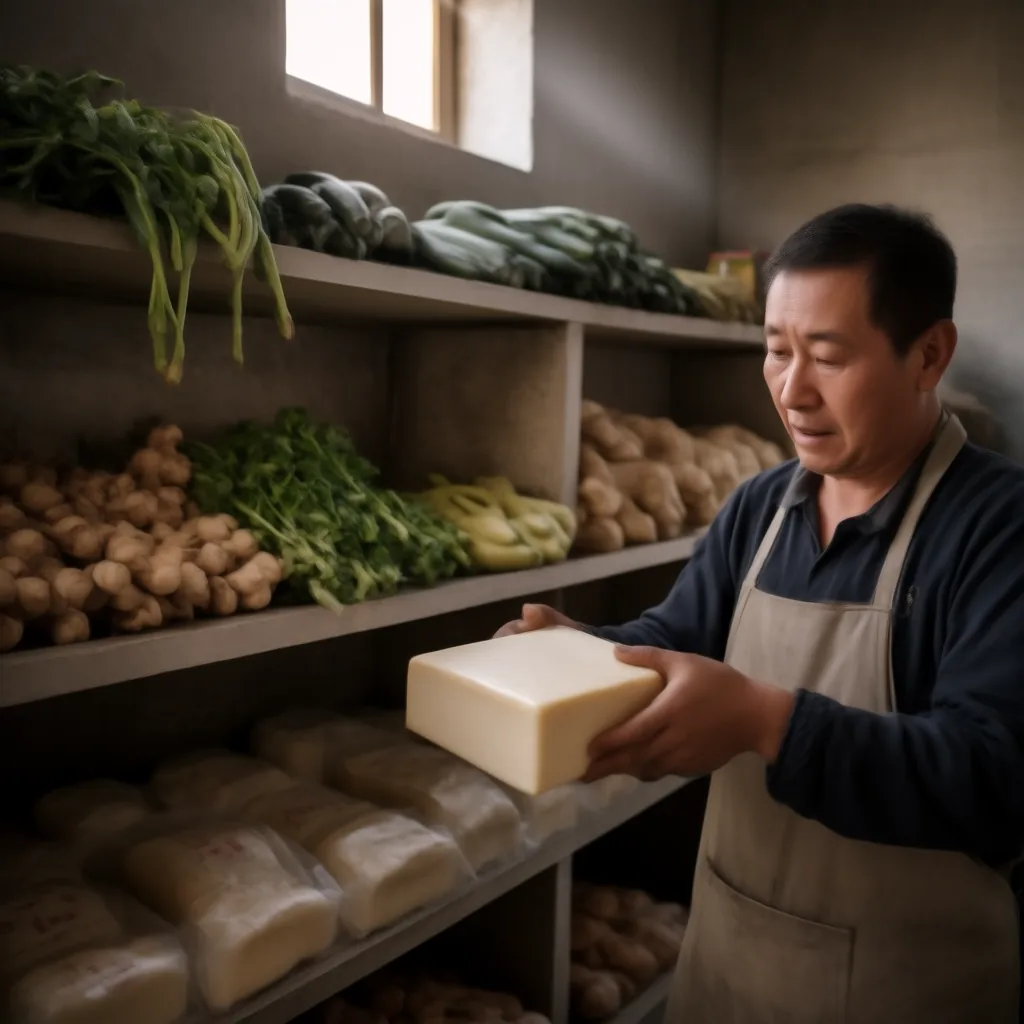
that is your signal of quality and freshness.
Temple kitchens, meanwhile, offer vegetarian meals that align with monastic rules: no meat, no garlic, and minimal oil. A simple lunch of rice, stir-fried greens, and braised mushrooms costs around 30 yuan. The benefit is digestive lightness;
heavy meat meals sit poorly during steep ascents. Temples usually post meal times near their gates, often 11:00 to 13:00. Arrive by 10:45 to secure a seat, as portions are limited and monks and pilgrims eat first.
What to Pack and What to Avoid Buying on the Mountain
Prices rise with elevation, so pack high-calorie snacks before ascending. Chocolate bars, salted peanuts, and dried fruit cost 5 to 10 yuan in town but double or triple at mid-mountain stalls. A 500ml bottle of water bought at the base is 2 yuan;
the same bottle at the summit is 8 yuan. Carry at least two liters per person for a full day, plus electrolyte tablets if you sweat heavily. Avoid buying bottled soft drinks above the first cable car station;the markup is unjustifiable and the sugar crash impairs stamina.
One often-overlooked risk is food safety at unlicensed stalls. Stick to vendors with visible health permits, hot cooking surfaces, and a queue of repeat customers. Skip raw salads and cold tofu in warmer months;
they sit at room temperature for hours and carry bacterial load that can incapacitate your final hiking day. If you experience gastrointestinal upset, the only reliable pharmacy is at the base visitor center, not on the trail.