The straightforward answer is that Gupo Mountain, a scenic area in eastern Guangxi, is best experienced as a two‑day escape into forested valleys, cascading waterfalls, and quiet trails that wind through a subtropical landscape. Most visitors make the mistake of trying to see the main waterfall and return to the city in a single day, missing the chance to explore the quieter upper trails and the nearby Hakka villages. The solution is to stay overnight in the mountain’s guesthouses, take the shuttle to the highest trailhead, and walk downhill through the **Nine Waterfalls** section, then spend a second day exploring the **Wine Barrel Village** and the **Forest Tea Garden**. With a bit of planning around the shuttle schedules, you can experience the mountain’s many layers without feeling rushed.
The biggest mistake is underestimating the humidity and the steepness of the trails. The waterfalls are at their most powerful after rain, but the paths can be slippery. Another common error is visiting during the Chinese New Year or summer weekends, when the main waterfall area becomes crowded. The principle is simple: arrive early, take the shuttle to the top, walk downhill through the scenic core, and use the second day for the lesser‑known trails.
Start your visit at the **Gupo Mountain Scenic Area entrance**, about a 40‑minute drive from Hezhou city. The park has a shuttle bus that runs from the entrance to the upper trailheads. Take the shuttle to the **Jiupu Waterfall** stop, the highest point accessible by road. From here, a well‑maintained trail follows the stream downhill, passing a series of waterfalls and pools. The first and largest is the **Gupo Waterfall**, which drops over 30 meters into a deep pool. The trail continues through bamboo groves and over small bridges, with each waterfall offering a spot to rest and cool off. The walk from the top to the **Fairy Lake** at the bottom takes about two hours at a leisurely pace.
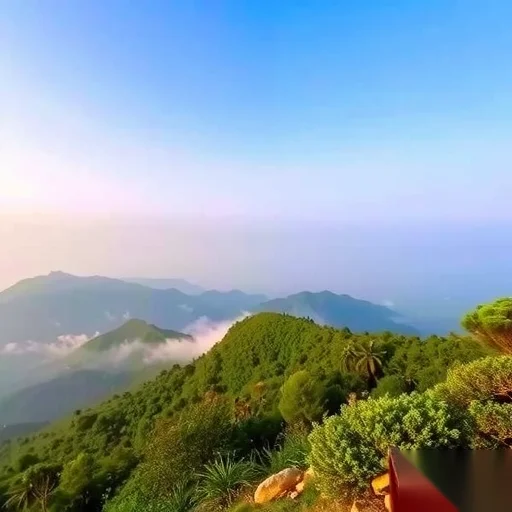
After the waterfall walk, take the shuttle back to the **core area**, where you’ll find simple guesthouses and a few restaurants. Check in for the night—the accommodation is basic but comfortable, and the evening quiet in the forest is a welcome respite from city noise. The guesthouses serve local dishes, including **stir‑fried bamboo shoots**, **river snails**, and **braised pork with chestnuts**. A meal on a terrace overlooking the valley is a classic Gupo experience.
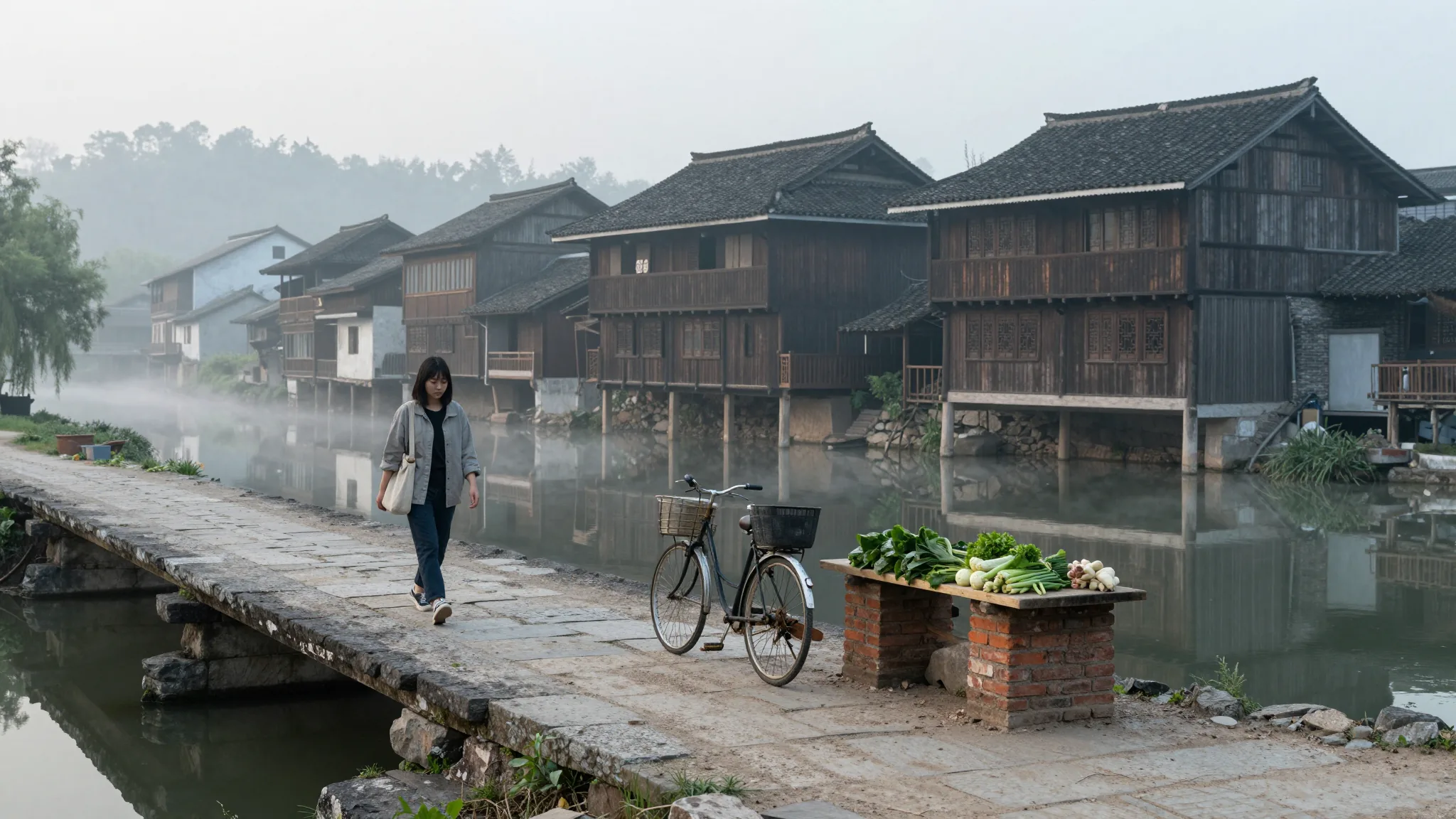
On your second day, explore the **Wine Barrel Village** (Jiutong Village), a cluster of traditional Hakka houses nestled in a side valley. The village is named for the large wine barrels that sit outside many homes, a nod to the local tradition of rice wine brewing. The houses are built in the distinctive Hakka round‑house style, with communal courtyards and decorative carvings. Walk the narrow lanes, and if you’re lucky, a family might invite you in for a taste of their home‑brewed wine.
From the village, a trail leads to the **Forest Tea Garden**, a terraced plantation where Gupo Mountain tea is grown. The path winds through bamboo and camphor trees, with occasional views of the valley below. The tea garden itself is a peaceful spot for a walk; you can stop at a small pavilion for a cup of the local green tea, which has a light, slightly nutty flavor.
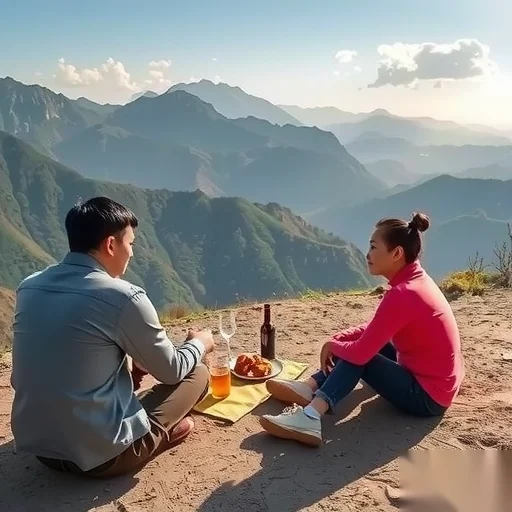
A concrete example: a traveler I know spent two days on Gupo Mountain. She arrived at the entrance by 9:00 AM, took the shuttle to the top, and walked the waterfall trail, arriving at the guesthouse by midday. She spent the afternoon resting and walking the paths near the core area. The next morning, she took a taxi to Wine Barrel Village (a short drive from the main entrance), walked the lanes, then hiked to the tea garden. She was back in Hezhou by early afternoon, feeling she’d experienced both the dramatic waterfalls and the quiet cultural side of the mountain.
Logistics: Gupo Mountain is accessible by high‑speed train to Hezhou, then a taxi or bus to the scenic area (about 40 minutes). The park has a shuttle bus that runs frequently during the day; check the last return time if you’re not staying overnight. Wear sturdy shoes with good grip, and bring a change of clothes—the waterfalls can splash, and the trails are humid. The best seasons are spring (April‑May) for fresh green and wildflowers, and autumn (October‑November) for cooler temperatures and clear skies. Summer is lush but hot and crowded. Gupo Mountain’s best experience combines a downhill waterfall walk from the upper trailhead with an overnight stay, then a second day exploring the Hakka Wine Barrel Village and the terraced tea garden—letting you appreciate both the dramatic water features and the cultural landscape.
#

Hiking Gupo Mountain? Here’s How to Discover the Waterfalls and Forest Trails
Related Posts
New Posts

Adventure Favorite
$1880
$1690
Comments
Anonymous
The Wine Barrel Village is a hidden gem. I almost missed it because the guidebooks focus on the waterfalls. The Hakka architecture is fascinating, and the family I met there was incredibly welcoming. The rice wine is strong but worth tasting. The tea garden is a peaceful walk—the tea itself is light and refreshing.
Anonymous
I did the two‑day plan and it was perfect. The waterfall walk is the highlight—the main cascade is spectacular, and the smaller falls along the trail are beautiful. Staying overnight in the guesthouse let me see the mountain without the crowds. The local food was excellent, and the evening quiet in the forest was a treat.
Anonymous
This is a great spot for a family trip. The waterfall trail is not too strenuous for kids, and there are plenty of spots to stop. The guesthouse had simple but clean rooms, and the staff was friendly. The Wine Barrel Village is a short taxi ride away and offers a different experience from the waterfalls. A solid two‑day getaway.
Anonymous
I went in summer and the humidity was intense, but the waterfalls kept things cool. The trail from the top is mostly shaded, and the pools are great for dipping your feet. The guesthouse had a fan, but it was still warm at night. Spring or autumn would be better if you’re sensitive to heat.