
Hanging Temple, located in the mountains of Shanxi Province, is one of China’s most iconic and mysterious attractions. Its unique location—perched on a cliff face—draws millions of visitors each year. However, many travelers find themselves overwhelmed by the sheer amount of information available, unsure of where to start. The answer is simple: plan your trip carefully, and you’ll unlock the full experience of this ancient wonder. This guide will walk you through everything you need to know to make your visit to Hanging Temple unforgettable.
Hanging Temple is not just a destination; it’s a journey into history, culture, and natural beauty. With its intricate architecture, serene atmosphere, and breathtaking views, it offers something for every traveler. But without the right preparation, you might miss out on the key highlights. That’s why we’ve put together this comprehensive travel plan, covering everything from transportation and accommodation to the best times to visit and what to see. Whether you’re a first-time visitor or a returning traveler, this guide will help you make the most of your time at Hanging Temple.
Before you set off, it’s essential to understand the logistics of getting there. Hanging Temple is located in the northern part of Shanxi, near the city of Datong. The nearest major airport is Datong Airport, and from there, you can take a bus or hire a private car to reach the temple. The journey takes about 2 hours by car, and the road is well-maintained, making it a comfortable drive. If you’re traveling by train, the closest station is Datong Station, and from there, you can take a taxi or bus to the temple.
Once you arrive, the next step is to plan your itinerary. Hanging Temple is not a place you can rush through. The temple complex is small, but its history and architecture are rich and detailed. It’s best to spend at least one full day exploring the site, allowing time to visit the main temple, the surrounding shrines, and the scenic viewpoints. If you’re interested in the history of the temple, you can also visit the nearby Hanging Temple Museum, which offers an in-depth look at the temple’s origins and significance.
One of the best ways to enhance your experience is by hiring a local guide. A guide can provide valuable insights into the temple’s history, the legends associated with it, and the cultural significance of the site. They can also help you navigate the narrow paths and steep stairs, ensuring that you enjoy the temple safely. If you’re planning to visit during the peak season, it’s a good idea to book your guide in advance, as availability can be limited.
To make the most of your visit, it’s important to know the best times to go. The best months to visit Hanging Temple are from April to October, when the weather is pleasant and the scenery is at its most beautiful. Avoid visiting during the winter months, as the temperatures can be extremely cold and the temple may be closed for maintenance. If you’re planning to visit during the peak tourist season (May to September), consider arriving early in the morning to avoid the crowds and enjoy the temple in a more tranquil setting.
For those who are physically fit, the temple’s steep paths and narrow staircases can be a challenge. However, the reward is well worth the effort. The views from the top of the temple are breathtaking, offering panoramic vistas of the surrounding mountains and valleys. If you’re not comfortable with the physical demands, there are also options for guided tours that include transportation and rest stops, making the experience more accessible for all ages.
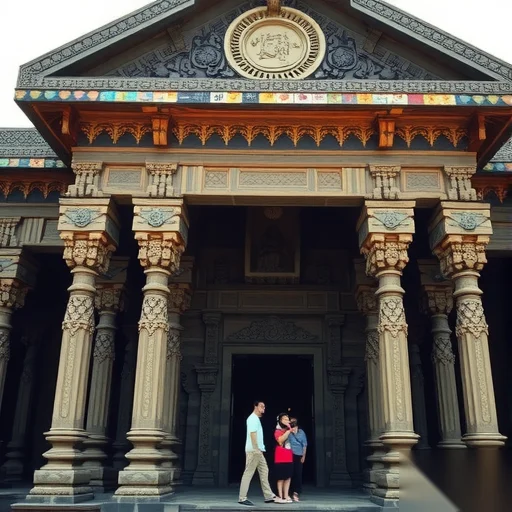
One of the most memorable experiences at Hanging Temple is the view of the temple itself. The temple is built on a cliff face, and its architecture is a marvel of ancient engineering. The main hall, the Buddha Hall, and the shrine dedicated to the goddess of mercy are all worth visiting. The temple also houses a number of ancient relics and artifacts, including statues, paintings, and inscriptions that tell the story of the temple’s long history.
To fully appreciate the temple, it’s recommended to visit during the early morning or late afternoon when the light is soft and the atmosphere is peaceful. This is also the best time to capture stunning photographs of the temple against the backdrop of the mountains. If you’re a photography enthusiast, you’ll want to bring a tripod and a camera with a good zoom lens to capture the details of the temple’s architecture.


Comments
Anonymous
I followed the tips in the article and it made planning my trip so much easier. Highly recommend reading it before you go.
Anonymous
I was worried about the crowds, but the article gave great advice on the best times to visit. Definitely saved me from a stressful trip.
Anonymous
Visiting Hanging Temple was an unforgettable experience. The views from the cliffside are absolutely breathtaking.
Anonymous
The temple's history and architecture are fascinating. I spent hours just taking in the surroundings.