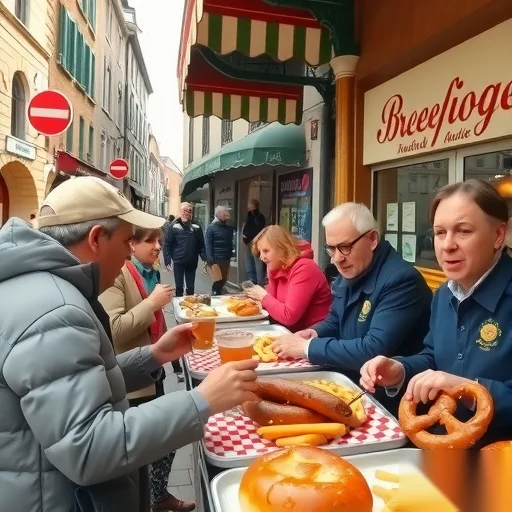
Germany is a country that offers a rich and diverse culinary experience, but for first-time visitors, navigating its food scene can feel overwhelming. If you’re wondering *how to eat like a local in Germany*, the answer lies in understanding the cultural nuances, traditional dishes, and where to find authentic flavors. From hearty sausages to fresh bread and beer, German cuisine is a celebration of simplicity and quality. This guide will walk you through the essentials of eating like a local, ensuring your taste buds are as satisfied as your travel experiences.

Germany’s food culture is deeply rooted in tradition, and the best way to experience it is by embracing the local specialties. Whether you’re in Berlin, Munich, or Cologne, you’ll find that many of the most popular dishes are made with simple, high-quality ingredients. One of the most iconic German foods is the bratwurst, a sausage that comes in countless regional varieties. Each area has its own unique recipe, from the sweet and spicy ones in Bavaria to the more savory versions in the north. Pair it with a side of potato salad or bread, and you’ll be on your way to a true German meal.
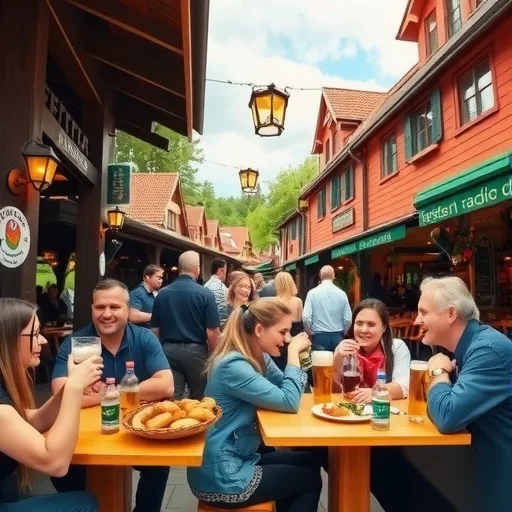
When it comes to eating like a local in Germany, it’s not just about the food—it’s also about the experience. German restaurants, known as *Biergärten* or beer gardens, are a must-visit for anyone looking to immerse themselves in the local culture. These casual, outdoor spaces are perfect for enjoying a cold beer, a plate of pretzels, and a grilled sausage. The atmosphere is laid-back, and the food is often served with a side of friendly conversation. If you’re looking for a more refined dining experience, many cities have Michelin-starred restaurants that offer a modern take on traditional German cuisine.

For a more casual meal, try a *Bäckerei* (bakery) or *Konditorei* (pastry shop). These establishments are known for their fresh bread, pastries, and sweet treats like *Kuchen* (cakes) and *Strudel* (layered pastries). A morning coffee with a butter croissant or a slice of apple strudel for dessert are perfect ways to experience the everyday German food culture. Don’t forget to try *Leberkäse*, a traditional German meatloaf that’s often served with potato salad and bread. It’s a staple in many households and a great way to sample the local flavors.
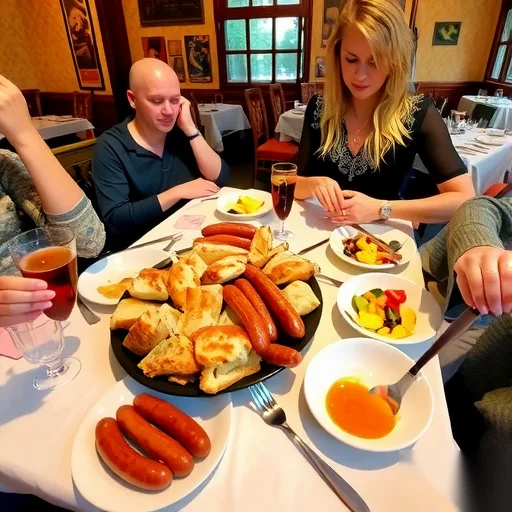
One of the best ways to eat like a local in Germany is to follow the locals’ eating habits. Germans often have a hearty breakfast, known as *Frühstück*, which includes items like *Semmel* (a type of bread roll), *Käse* (cheese), *Eier* (eggs), and *Schinken* (ham). Lunch is typically a lighter meal, often consisting of a sandwich or a simple dish like *Kasseler* (a type of pork dish). Dinner is the main meal of the day, usually featuring meat, potatoes, and a side of salad or vegetables. Understanding these meal patterns can help you navigate the local food scene and make the most of your visit.
If you’re planning your trip to Germany, make sure to include some of the most popular local dishes in your itinerary. Don’t miss the chance to try *Schnitzel* (breaded veal or pork cutlet), *Schweinshaxe* (roast pork leg), or *Nürnberger Bratwurst* (a type of sausage from Nuremberg). These dishes are not only delicious but also a testament to Germany’s rich culinary heritage. Whether you’re dining in a traditional restaurant or a modern café, the key is to embrace the local flavors and enjoy the experience.





Comments
Anonymous
I never knew that sausages and beer were such an integral part of German culture—this article has made me excited to try more local dishes on my next visit.
Anonymous
This guide is a must-read for any traveler planning a trip to Germany. It gives a great insight into what to try and where to find it.
Anonymous
Exploring German cuisine has been a delightful experience, and this guide makes it even easier to discover the real flavors of the country.
Anonymous
I love how the article highlights both traditional dishes and modern twists—perfect for someone looking to eat like a local without missing out on trends.