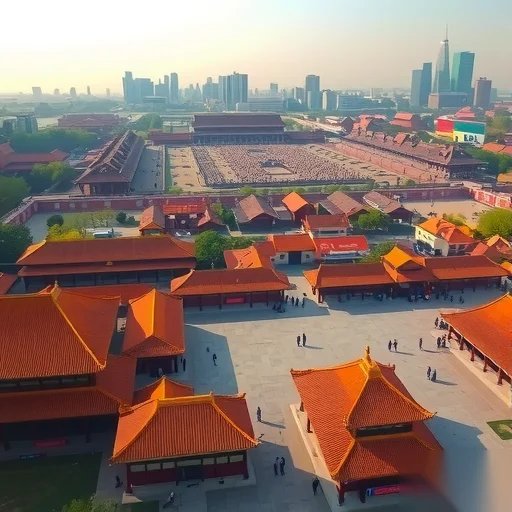
Traveling along the Silk Road in Shaanxi is a dream for many, but with so many historical sites and cultural landmarks, it’s easy to feel overwhelmed. The key to a successful journey lies in understanding the core principles of Silk Road travel and planning your itinerary wisely. By focusing on the most iconic sites, combining history with natural beauty, and respecting local culture, you can create an unforgettable experience. This guide will help you design a seamless and enriching Silk Road tour in Shaanxi.
Shaanxi is one of the most historically significant regions in China, home to the ancient city of Xi’an, the birthplace of the Silk Road, and a treasure trove of cultural relics. From the Terracotta Army to the ancient Buddhist caves, the region offers a unique blend of history, art, and natural landscapes. However, without proper planning, it’s easy to miss the highlights or end up with a rushed itinerary. The solution is to create a well-structured tour that balances sightseeing with relaxation, ensuring you make the most of your time in this ancient land.
A successful Silk Road tour in Shaanxi begins with understanding the historical and cultural context. The Silk Road was not just a trade route but also a cultural bridge that connected East and West. In Shaanxi, you can trace the footsteps of ancient traders, monks, and travelers who once passed through this region. Key sites like the ancient city of Xi’an, the Mogao Caves, and the Huaqing Hot Springs offer a glimpse into this rich heritage. By learning about the historical significance of each site, you can deepen your appreciation and make your journey more meaningful.
To plan your tour effectively, start by selecting the main destinations and determining the best order to visit them. A typical Silk Road itinerary in Shaanxi might include Xi’an, the ancient capital of several dynasties, followed by the famous Mogao Caves in Dunhuang, and then the scenic areas of the Loess Plateau. However, it’s important to consider the distance between these locations and the time required for each site. For example, visiting the Terracotta Army in Xi’an should be combined with a day trip to the nearby ancient city of Fengxiang or the Yellow River.
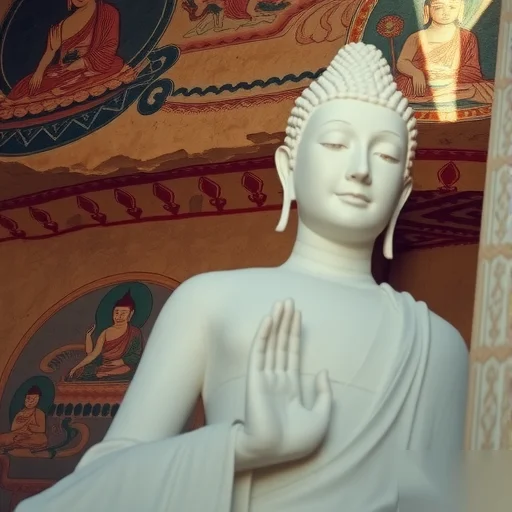
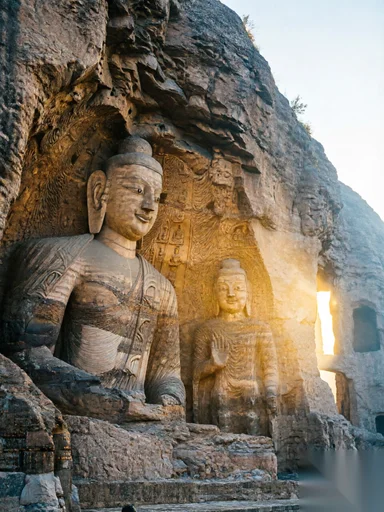
One of the best ways to experience the Silk Road in Shaanxi is to follow the historical route of the ancient trade network. This means not only visiting the major landmarks but also exploring lesser-known sites that offer a more authentic experience. For instance, the ancient Buddhist caves of Yungang in Datong are not in Shaanxi, but they are part of the broader Silk Road cultural heritage. In Shaanxi, you can visit the Mogao Caves in Dunhuang, which are a UNESCO World Heritage Site and one of the most important cultural treasures in the region. These caves contain thousands of Buddhist paintings and sculptures, offering a fascinating insight into the art and religion of the time.
Another key element of a successful Silk Road tour is to incorporate local culture and cuisine. In Xi’an, for example, you can explore the traditional markets and try local dishes like biangbiang noodles and roujiamo. This not only enhances your travel experience but also helps you connect with the local people and traditions. Similarly, in the Loess Plateau, you can visit the villages of the Qiang people and learn about their unique lifestyle and customs. By immersing yourself in the local culture, you can gain a deeper understanding of the region’s history and its role in the Silk Road.
To make your journey even more memorable, consider planning a day trip to the nearby Shaanxi Province’s natural wonders. The Yellow River, for example, has played a vital role in the region’s history and continues to be a symbol of Chinese civilization. A visit to the Huaqing Hot Springs, known for their historical significance and therapeutic waters, is a must for any Silk Road traveler. These natural attractions provide a perfect balance to the historical and cultural sites, making your tour both educational and enjoyable.


Comments
Anonymous
I followed this guide and visited Xi'an, Dunhuang, and the Loess Plateau. It was an amazing journey that helped me understand the Silk Road's cultural significance.
Anonymous
The itinerary was well-structured, and the tips on local cuisine and culture made the trip more enjoyable. Highly recommend this guide!