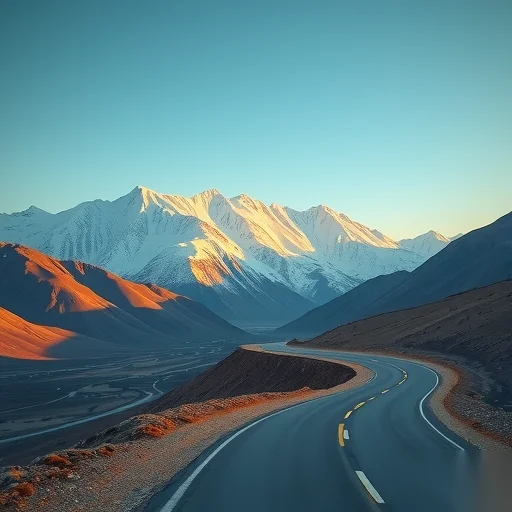

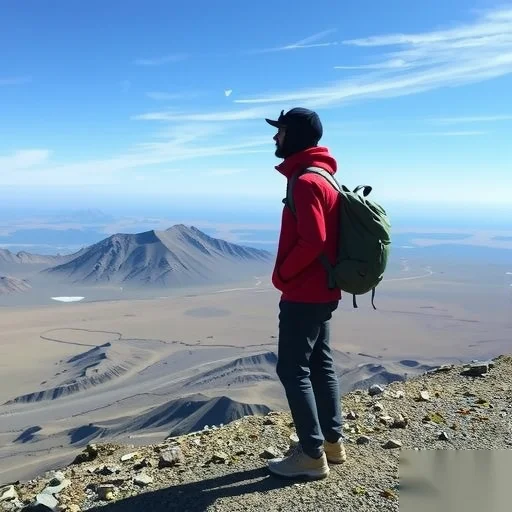
The Qinghai-Tibet Line is one of the most breathtaking and challenging routes in the world, offering a unique blend of natural wonders, cultural experiences, and spiritual journeys. However, planning a trip along this route can be overwhelming due to altitude, logistics, and the vast distances involved. The key to a successful Qinghai-Tibet Line tour lies in thorough preparation, understanding the route’s unique challenges, and following a well-structured plan. This guide will walk you through everything you need to know to make your journey safe, enjoyable, and unforgettable.
Before embarking on your Qinghai-Tibet Line adventure, it’s essential to understand the route’s physical and environmental conditions. The altitude can reach over 5,000 meters in some areas, which can lead to altitude sickness. Proper acclimatization is crucial. Additionally, the journey involves long stretches of road, limited services, and unpredictable weather. Being prepared for these challenges will ensure a smoother and more comfortable experience.
The first step in planning your Qinghai-Tibet Line tour is to decide on your route and duration. The most common route starts in Xining, Qinghai, and continues through Golmud, Lhasa, and eventually to Mount Kailash. Depending on your interests, you can choose between a short trip (3-5 days) or a longer journey (7-10 days) that includes stops at key cultural and natural sites. It’s also important to consider the best time to travel, typically from May to October when the weather is most favorable.
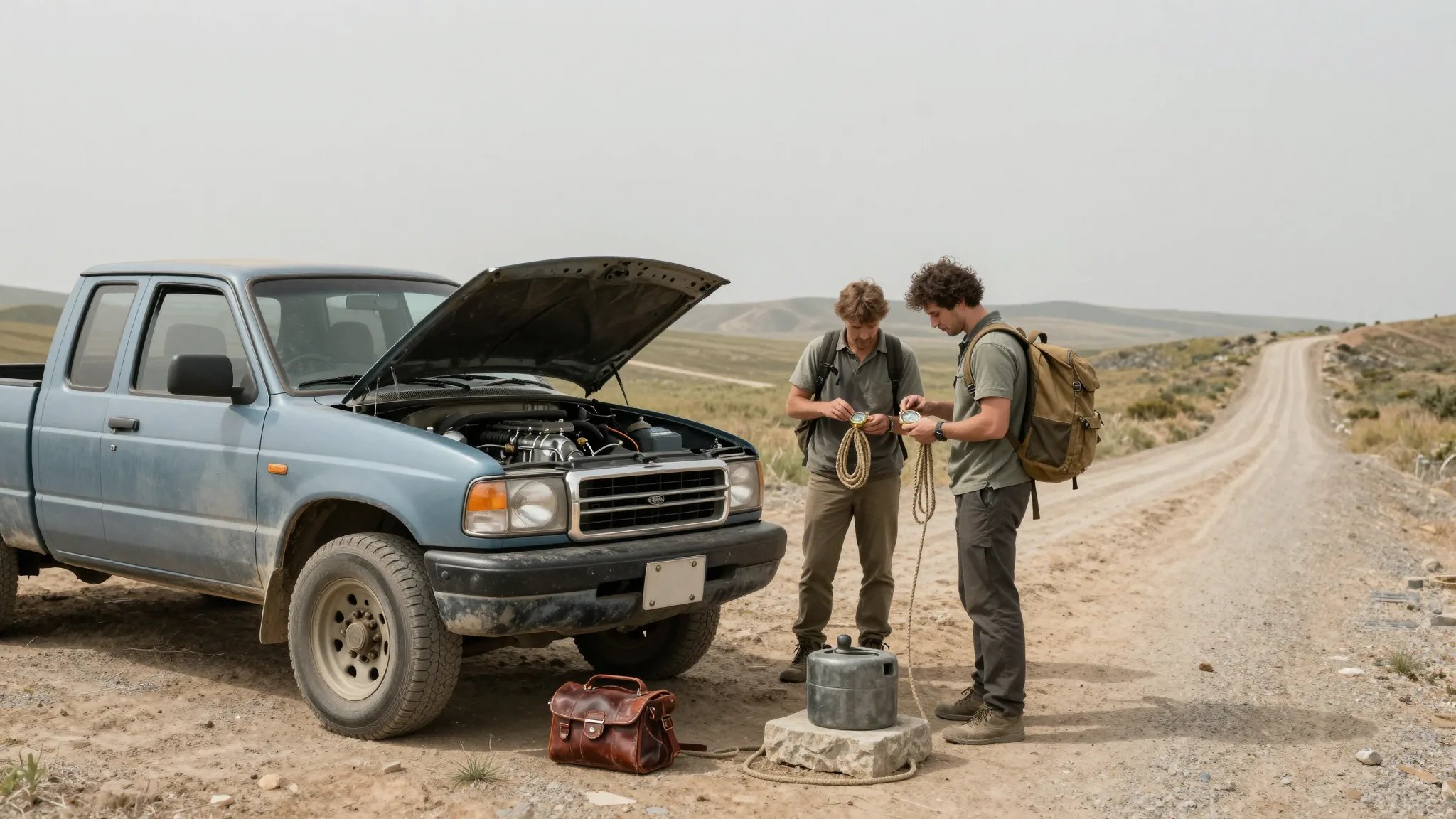
Next, you should secure your transportation. The most common options are trains and buses, with the Qinghai-Tibet Railway being the most convenient for many travelers. If you prefer a more adventurous experience, driving along the highway is also an option, though it requires careful planning and a reliable vehicle. Once you’ve chosen your mode of transport, book your tickets in advance, as availability can be limited, especially during peak seasons.
Accommodation along the Qinghai-Tibet Line varies from simple guesthouses to luxury hotels, depending on your budget and preferences. It’s advisable to book accommodations in advance, especially in major cities like Lhasa and Golmud. Many travelers also opt for homestays or eco-lodges to immerse themselves in local culture and support the local economy.
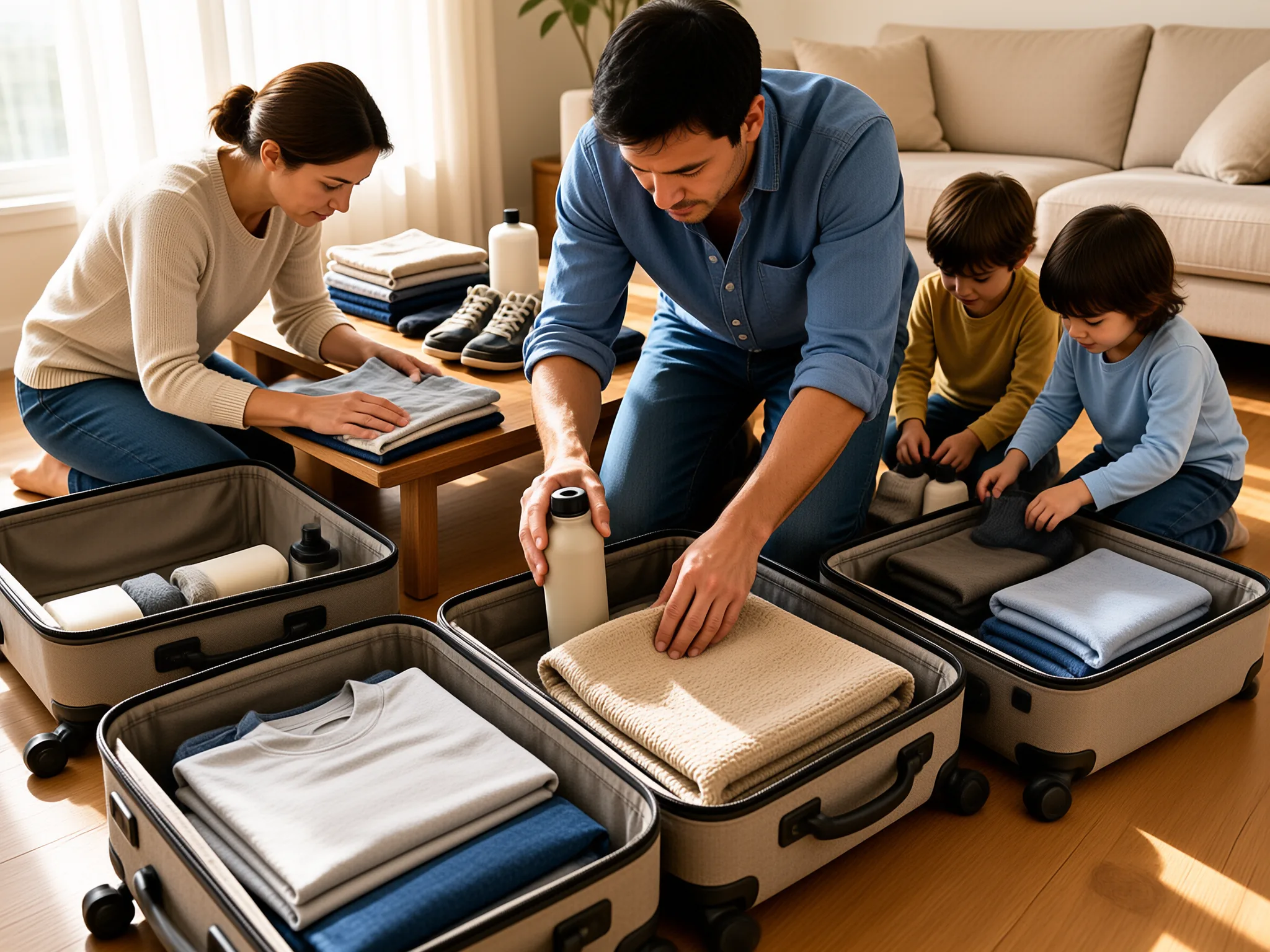
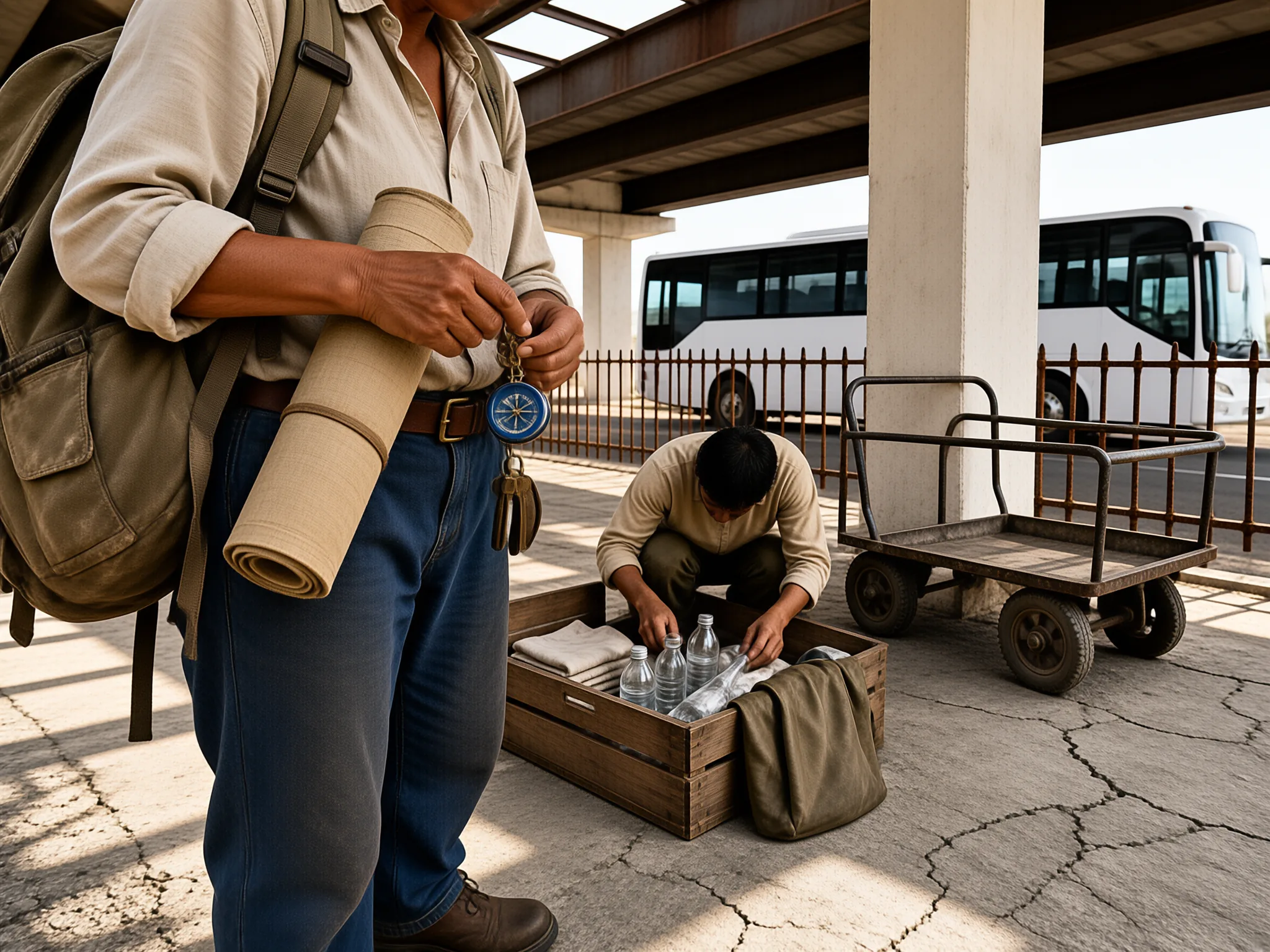
Packing the right gear is another essential step. You’ll need warm clothing, a good-quality sleeping bag, and a reliable backpack. Sunscreen, sunglasses, and lip balm are also important due to the high UV exposure at high altitudes. Don’t forget to bring medications for altitude sickness, such as acetazolamide, and keep your passport and travel documents safe.
One of the most memorable experiences on the Qinghai-Tibet Line is visiting the sacred Mount Kailash and Lake Manasarovar. This pilgrimage route is considered one of the most spiritually significant journeys in the world. Many travelers choose to combine this with a visit to Lhasa, where they can explore the Potala Palace, Jokhang Temple, and the Barkhor Street. Planning these stops in advance will help you make the most of your time and avoid unnecessary delays.
A practical example of a successful Qinghai-Tibet Line tour is a group of travelers who spent seven days on the route. They started in Xining, took the train to Golmud, and then drove to Lhasa. Along the way, they stopped at the Kekexili Nature Reserve, visited the Tibetan settlements, and finally completed the Kailash pilgrimage. Their careful planning, including acclimatization days and flexible schedules, ensured a smooth and enriching experience.
Finally, it’s important to respect the local culture and environment. The Qinghai-Tibet Line is not just a physical journey but also a cultural and spiritual one. Be mindful of local customs, dress modestly in religious sites, and minimize your environmental impact by following responsible travel practices.
By following these steps and preparing thoroughly, you can create an unforgettable Qinghai-Tibet Line tour that balances adventure, culture, and comfort. Whether you’re seeking spiritual enlightenment, natural beauty, or a unique travel experience, this route offers something for every traveler.
Comments
Anonymous
This guide was incredibly helpful! I feel more confident about planning my trip now. The tips on acclimatization and packing were especially useful.