Packing for a tour is rarely about forgetting a toothbrush;
the real problem is that most tour packing lists are built around the wrong question. Instead of asking “what might I need,” a practical list must ask “what will I actually carry, wash, and replace every single day.” The difference between a bag that works and a bag that becomes a burden comes down to transport method, laundry cycles, and a hard rule about weight—not to the number of gadgets you bring.
A tour packing list fails when it tries to cover every possible scenario. You cannot pack for heat waves, cold snaps, formal dinners, and hiking trails in one carry-on without breaking your back. The fix is to decide your non-negotiables first—documents, medication, sleep aids, and one change of clothes—then build everything else around the reality of how you are moving between cities.
The Transport Method Decides Your Bag, Not Your Preferences
Your choice of luggage should be dictated by how you travel between venues, not by what looks professional or what holds the most. A van tour with five people and gear means every inch counts;
a duffel bag that can be squished into a tight space beats a hard-shell suitcase every time. A bus tour with dedicated storage allows for full-sized luggage, while a fly-in tour demands the lightest possible setup because you will be hauling your bag through airports, train stations, and hotel lobbies yourself.
The practical rule is simple: if you cannot carry your bag up three flights of stairs without help, it is too heavy. Most tour veterans aim for a bag that weighs under 15 kilograms, and many seasoned travelers push for under 10. That means leaving behind the “just in case” items—the extra shoes, the backup jacket, the full-size shampoo bottle—and committing to a system of layers and quick-dry fabrics instead.
Toiletries and Daily Essentials: Pack for Your Skin, Not the Hotel
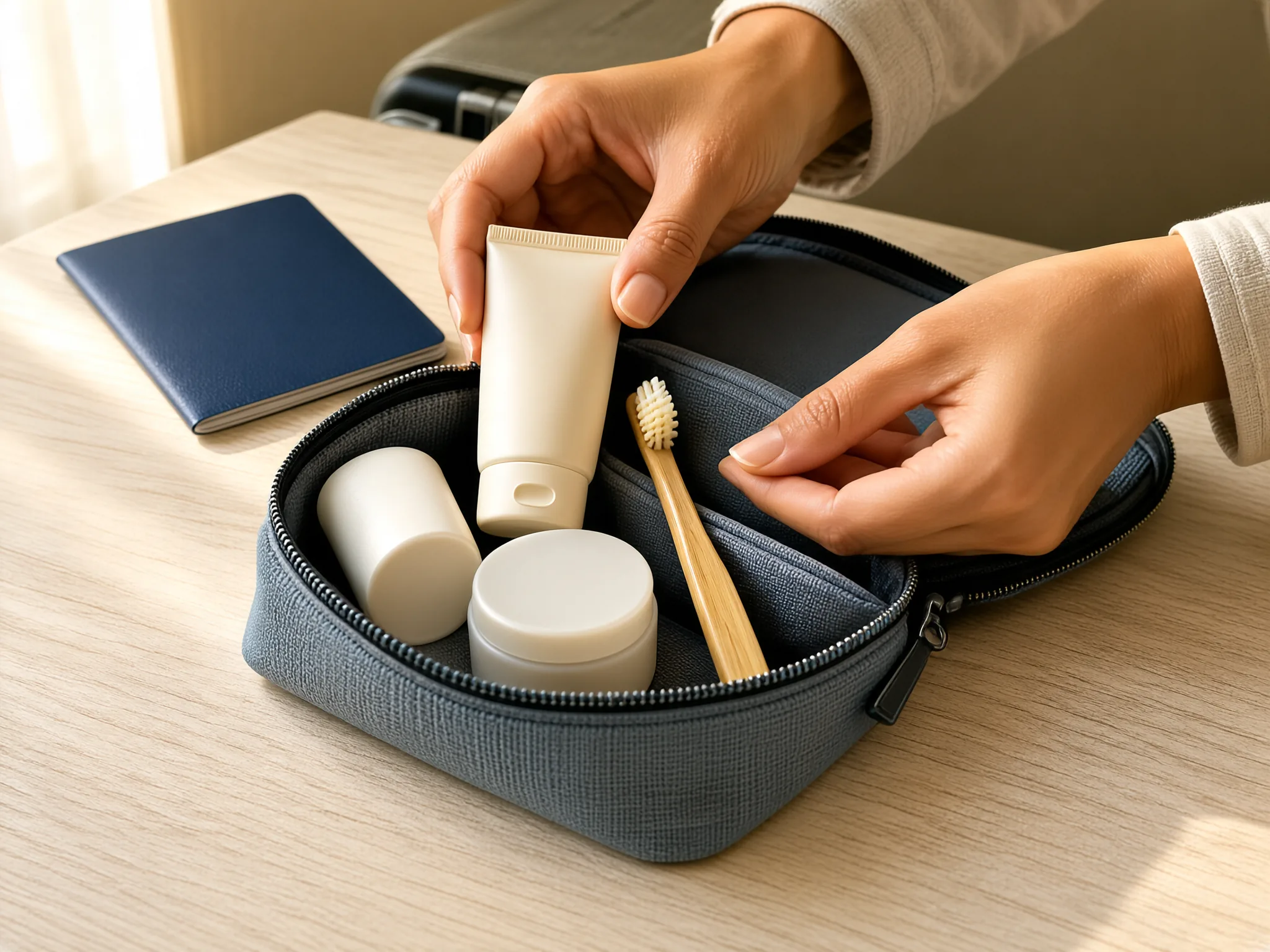
Hotel soap and shampoo are unpredictable, and if you have sensitive skin, relying on them is a fast track to irritation. Bring your own liquid soap, shampoo, conditioner, and face moisturizer, but transfer them into travel-sized containers. Full-size bottles waste space and add weight;
a 100-milliliter bottle of shampoo lasts roughly two weeks with daily use, so there is no reason to carry a liter.
The non-negotiable daily items are deodorant, toothpaste, a toothbrush, and floss picks. These are small, but forgetting them means either buying overpriced replacements on the road or going without—both of which are avoidable. Medication is the one category where you should pack extra, not less. Carry a week’s supply in your daypack and the rest in your main bag, so a lost suitcase does not leave you stranded without prescription drugs.
The Step-by-Step Method for Building Your List
Start with a written list, not a mental one. Write down every item you used in the last seven days at home, then cut it in half. That exercise alone eliminates most of the clutter because it forces you to confront what you actually touch daily versus what you merely own.
Next, separate your list into three categories: wear-on-body, carry-on, and checked or main bag. Wear-on-body includes your heaviest shoes, a jacket, and any item that would be painful to lose. Carry-on holds documents, medication, a change of clothes, and chargers. The main bag gets everything else. This three-tier system ensures that even if your main bag is delayed, you can survive for 24 hours without it.
Finally, count your outfits in terms of laundry cycles, not days. If you can wash clothes every third day, you need roughly four shirts, four pairs of socks, and four sets of underwear—not one for every day of the tour. Quick-dry synthetic fabrics make this feasible because they dry overnight in most hotel rooms. Cotton does not, so leave the denim and heavy cotton tees at home.
What Happens When You Overpack and How to Avoid the Common Pitfalls
The most common mistake is packing for the “worst case” of every single day. That leads to a bag that is too heavy to lift, too full to find anything, and too stressful to manage. The second mistake is ignoring the laundry reality: if you refuse to wash clothes on the road, you will need twice as many outfits, which doubles the weight and volume of your bag. The third mistake is bringing multiple pairs of shoes;
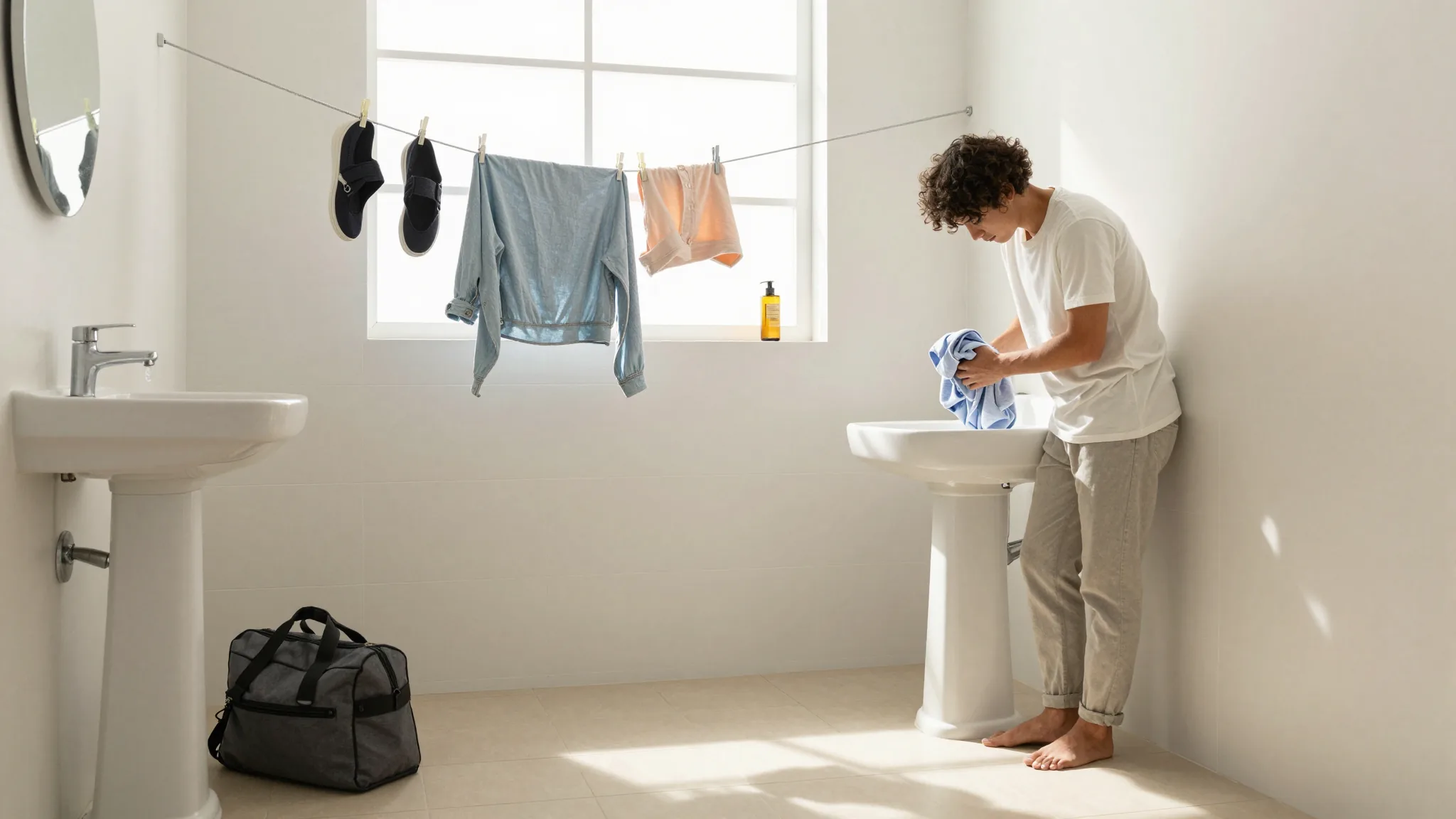
one pair of comfortable walking shoes and one pair of dressier shoes is enough for almost any tour.
The solution is to treat your packing list as a living document. After the first two days of a tour, you will know what you are not using. Ship it home or donate it, and do not feel guilty about the waste. Every tour gets easier because you learn to trust the system: fewer items, better quality, and a strict rule that everything in your bag must earn its place by being used at least twice a week.