Summer on a budget is possible when you treat the season like a planning problem rather than a spending contest. The core idea is simple: choose destinations, transport, food, and activities that give you the most experience for the least money, then fill the remaining time with free or low-cost outdoor options. By focusing on daylight, local food, public spaces, and shared transportation, you can enjoy long summer days without turning the season into a financial strain.

The biggest mistake is assuming that summer requires expensive hotels, long-distance trips, or premium attractions. In reality, the warmest and brightest months offer more opportunities than any other season because daylight lasts longer, parks and beaches are open, and many communities host free events. If you plan around these realities, the budget can stay under control while the experience still feels full, active, and memorable.
What Usually Breaks a Summer Budget?
Most summer budgets fail because travelers start with destinations instead of limits. When a trip is built around a specific city, resort, or event, transportation and lodging costs tend to rise quickly. This is especially common when people book flights, hotels, and attraction tickets before calculating how much they can actually spend. The result is a plan that looks exciting on paper but becomes stressful once real expenses appear.
Another common cause is underestimating daily spending. Meals, parking, water, sunscreen, and small purchases add up faster than people expect. A single family meal out, a short car rental, or a paid attraction can consume more than a week’s planned activity budget. Finally, poor timing also matters. Traveling during peak holiday weeks or major event periods often means paying more for the same experience, with less availability and more crowding.
How to Build a Summer Trip That Costs Less Without Feeling Cheaper?
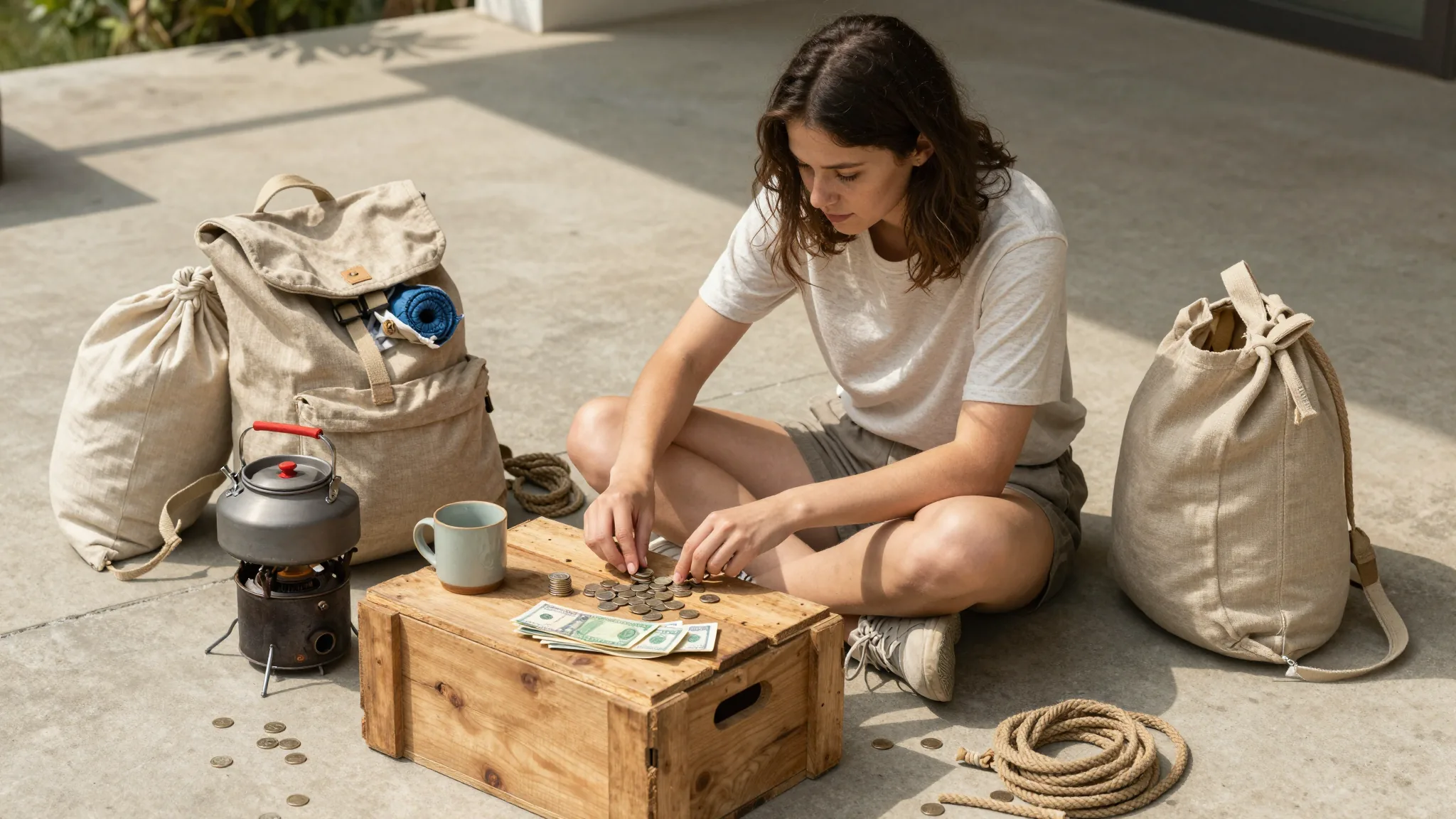
Start by setting a total spending ceiling before you choose any destination. Once the ceiling is fixed, work backward through transportation, lodging, food, and activities. This prevents the common trap of falling in love with a destination first and discovering later that it is out of reach. In practice, this means comparing costs across several options before making any reservation, especially for travel dates that are flexible.
Next, choose places where free outdoor experiences are easy to reach. Parks, beaches, walking trails, public squares, and open-air markets are all strong candidates. These locations matter because summer rewards time spent outdoors, and the longest daylight hours of the year make it possible to see more without paying for indoor entertainment. If you plan around free attractions, paid activities can become the exception rather than the default.
For transportation, favor buses, trains, carpooling, or walking over short-haul flights whenever the distance allows it. Shared rides and public transit are often slower, but they reduce cost dramatically and can still fit a summer itinerary if you build in buffer time. When driving is necessary, plan fuel stops, parking, and rest breaks in advance so that convenience does not become an unplanned expense.
Can You Spend More Time Outdoors and Still Save Money?
Yes, and in many cases this is the single most effective strategy for summer on a budget. Because summer offers the longest days and the brightest weather, outdoor activities provide more value per hour than most paid options. A morning walk, a picnic lunch, an afternoon at a beach or lake, and an evening stroll through a neighborhood can fill an entire day for very little money. The key is to treat time as the main resource, not just cash.
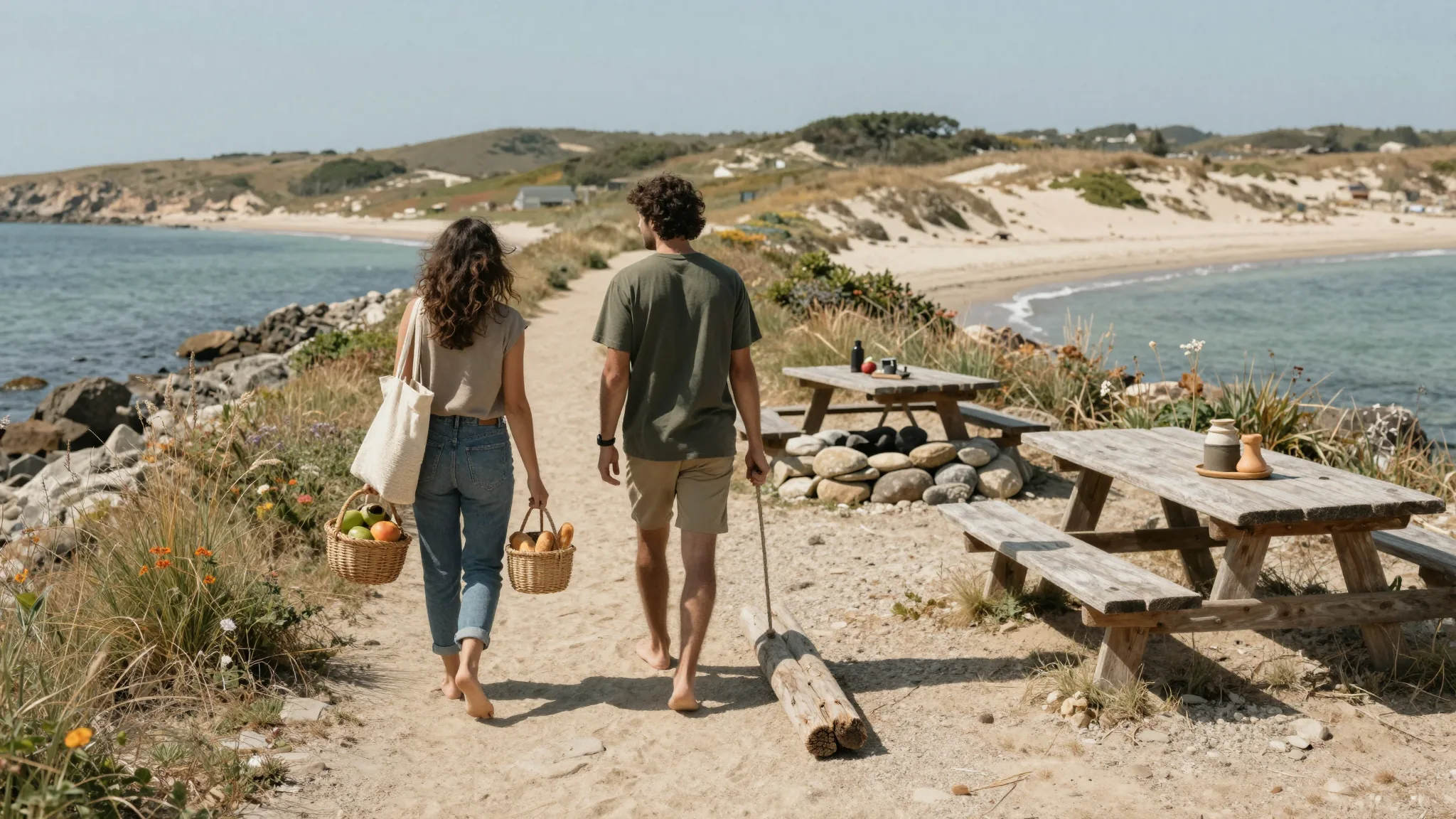
Food is where this strategy works best. Instead of eating every meal at restaurants, pack snacks, buy fresh fruit, and prepare simple meals when lodging allows it. Grilled foods, salads, sandwiches, and watermelon-style snacks are popular summer choices because they are cheap, easy to prepare, and well suited to warm weather. Barbecues and cookouts also work well when you can share supplies with others, splitting costs while still enjoying a social meal.
Community events are another overlooked source of value. Many towns and neighborhoods host free festivals, concerts, markets, and holiday celebrations during the warm months. These events are often promoted locally and do not require paid admission. Checking event calendars before you travel can reveal opportunities that fit your schedule without adding much cost.
What Risks Should You Watch for When Cutting Costs?
The main risk is trading comfort for savings without understanding the trade-off. Budget travel can become exhausting if you cut too many supports at once. Sleeping in unsafe places, skipping meals, or overpacking days with too many attractions can reduce enjoyment and increase stress. A smarter approach is to cut selectively: save on transportation and lodging first, then protect enough budget for food, rest, and one or two paid experiences that matter most.

Another risk is weather. Summer is warm, but heat waves, storms, and sudden humidity can disrupt plans quickly. Travelers who rely entirely on outdoor schedules without backup options may find themselves stuck indoors with nothing to do. The fix is to prepare lightweight rain gear, keep water handy, and build flexible days with indoor alternatives such as libraries, museums with free hours, or shaded cafés.
Finally, avoid the hidden cost of impulse spending. Summer travel often feels spontaneous, which makes it easy to buy extra tickets, snacks, or upgrades in the moment. To prevent this, set a daily spending limit and review it at the end of each day. This simple habit keeps the trip realistic and prevents small purchases from turning into a large budget gap.
How Do You Make Summer on a Budget Feel Complete?
The answer is to design the trip around a few high-value experiences instead of trying to do everything. Choose one paid attraction, one special meal, and one memorable outdoor day, then build the rest of the schedule around free time. This structure creates a sense of completion without requiring a large budget. It also leaves room for rest, which is often what separates a satisfying trip from a tiring one.
Practical steps include booking flexible dates, comparing lodging options carefully, using public transport, packing reusable water bottles, and planning meals ahead of time. If you travel with others, split shared costs such as transport, snacks, and picnic supplies. If you travel alone, focus on short distances and low-cost neighborhoods with easy access to walking routes and local food options.
Ultimately, summer on a budget is not about doing less. It is about choosing better. When you understand what drives costs and what actually adds value, you can enjoy the season’s long daylight, open spaces, and outdoor energy without overspending. The best summer trips are not the most expensive ones;
they are the ones planned with clear limits, realistic expectations, and enough flexibility to adapt when conditions change.