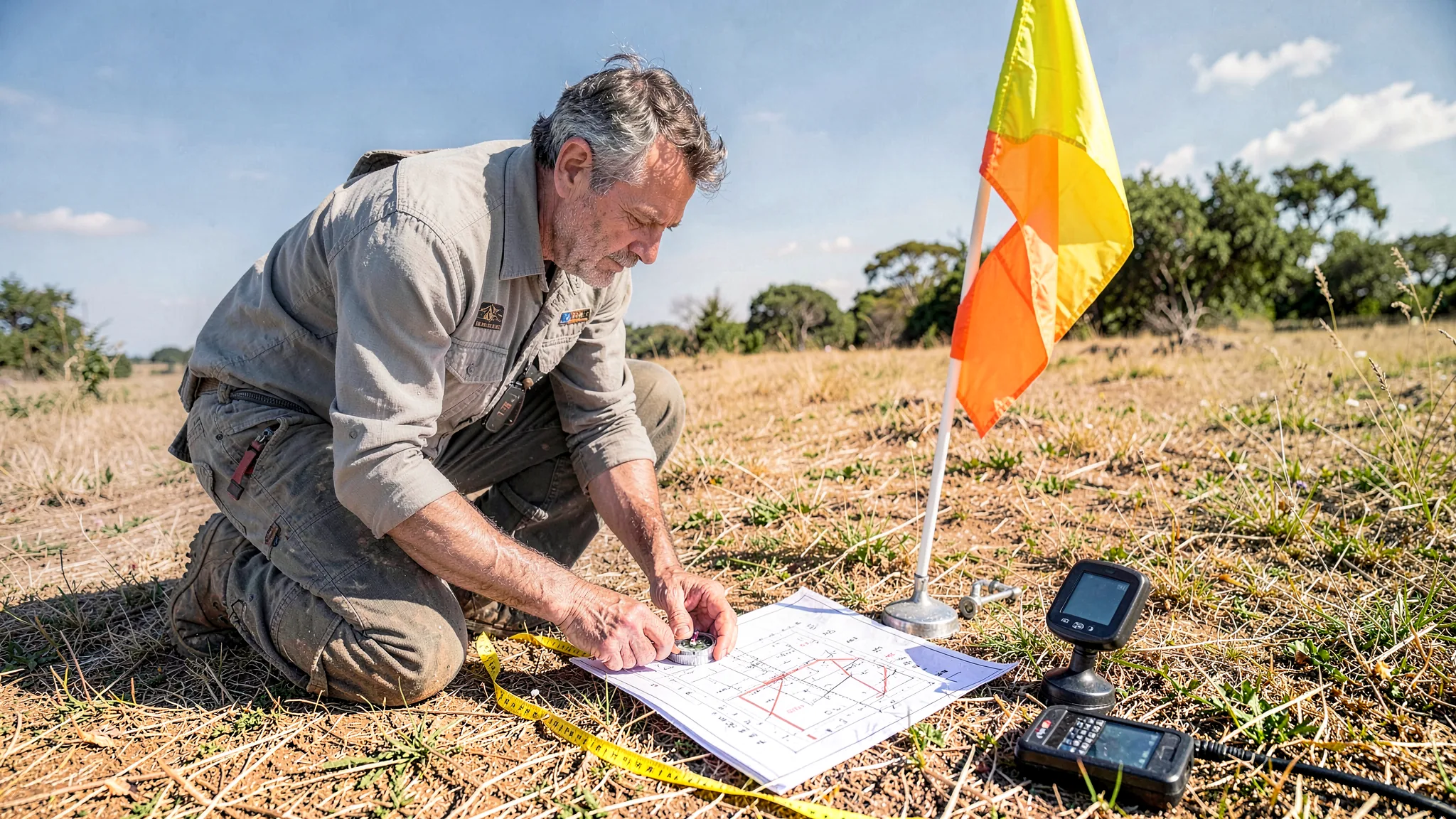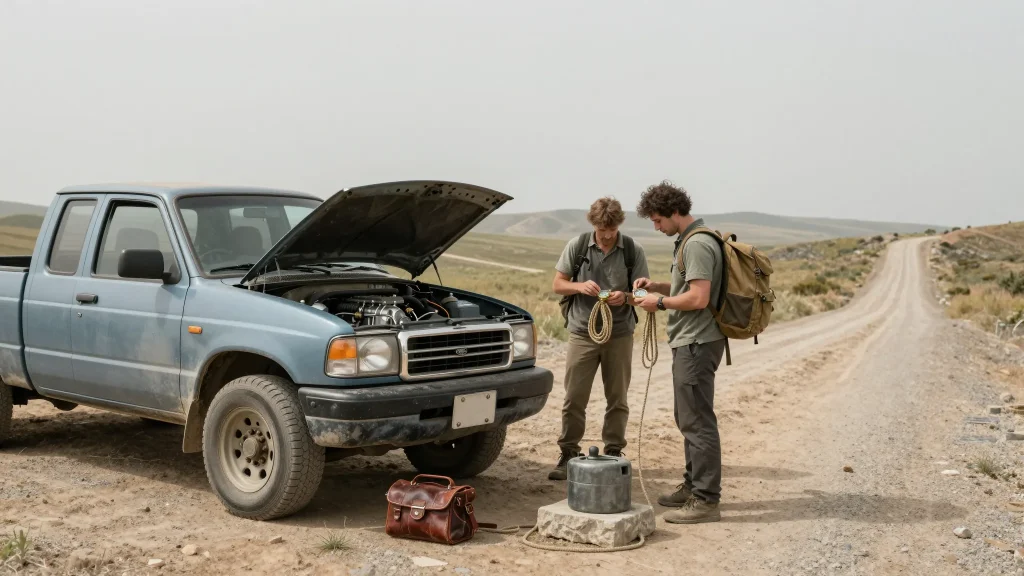
Travelers who underestimate this vast western region often face broken itineraries, missed checkpoints, and wasted days. The core mistake is treating it like a compact destination when distances, time zones, and permits require a fundamentally different planning approach. This guide identifies the most common travel mistakes to avoid, explains why they happen, and gives practical fixes you can apply before booking or packing.
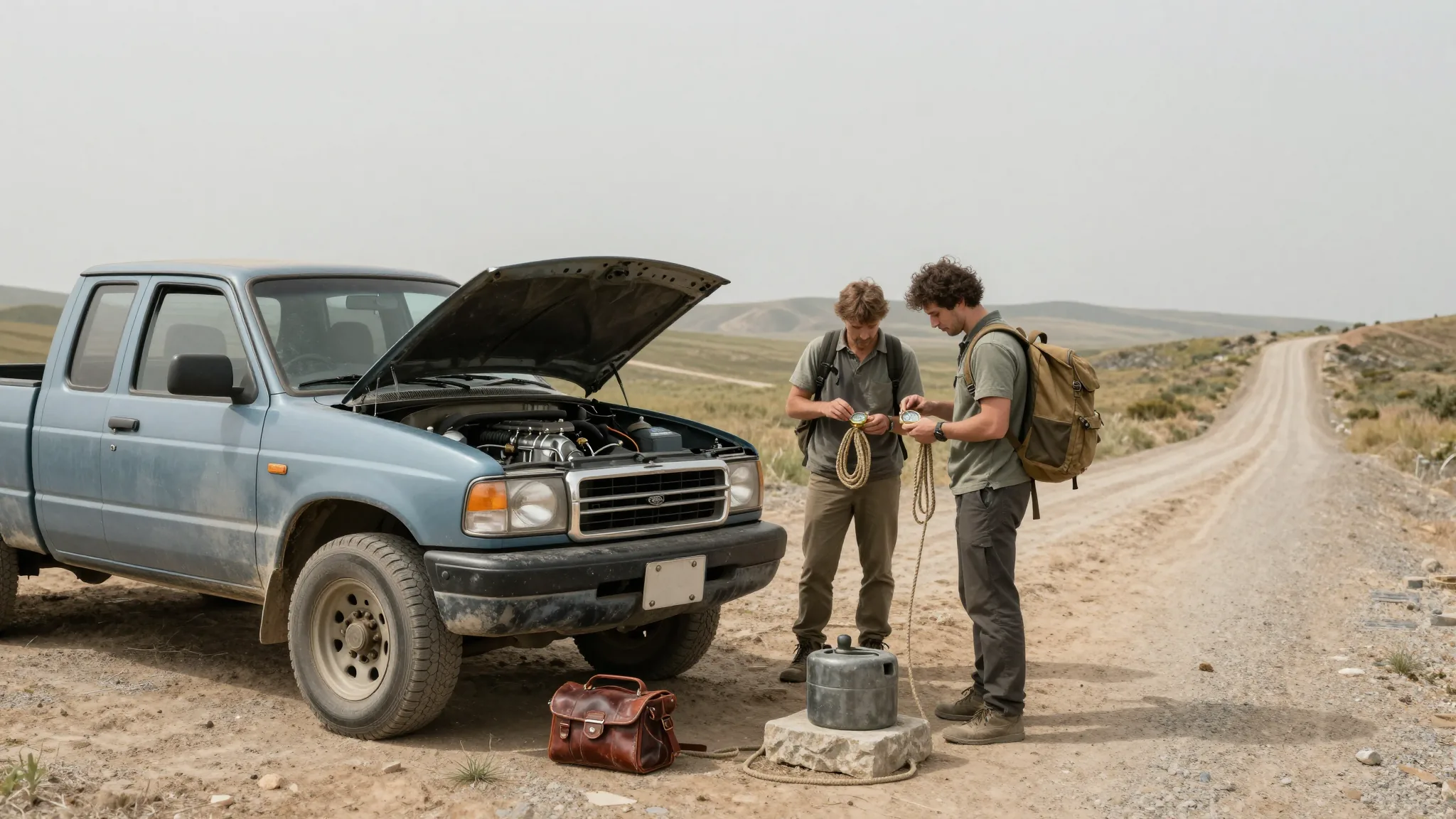
The single biggest risk is compressed pacing: a route that looks short on a map can consume two full days on the ground. Therefore, every decision below is built around one principle—plan for scale, friction, and weather variability before chasing the most famous viewpoints.
Underestimating Distance and the Two-Clock Problem
First-timers often assume this region is small because it appears compact on a simplified map. In reality, it covers roughly one-sixth of the country’s land area, which makes even popular routes far longer than expected. A trip that looks like a half-day hop can easily become an eight-hour drive, and that changes everything: rest stops, fuel planning, border or checkpoint timing, and the realistic number of sights you can visit each day.
The second hidden trap is the local time difference. Many travelers schedule meetings, flights, or checkpoints using a single national clock, but this region operates on a different local schedule than the rest of the country. As a result, a checkpoint that appears open at 8 a.m. by one clock may not align with the local operating hours used by staff. The practical fix is to confirm times with the venue or transport operator and build a 60- to 90-minute buffer into every transfer.
Ignoring Permits, Checkpoints, and Payment Realities
Another frequent mistake is assuming that standard travel documents are enough for every site. Certain areas require permits, and the process can take days or require advance coordination. If you plan a route without checking access rules first, you may arrive at a closed viewpoint, a restricted road, or a hotel that cannot accommodate your itinerary.
Payment friction is equally common. Some remote locations rely more on cash, while others expect digital payment. The safest approach is to carry enough cash for meals, parking, and small vendors, and to confirm that your digital payment method works offline. Avoid treating payment as an afterthought; it is part of route planning, not a convenience issue.
What to Do Instead: A Step-by-Step Fix That Works
rebuild your itinerary around distance, not landmarks. Start by calculating total driving time between stops, then subtract realistic rest breaks and checkpoint delays. Only after that math is complete should you decide how many attractions to include each day.
verify access rules for every site before booking transport.
split the trip into two blocks—north and south—so you are not crossing the entire region in one rushed pass.
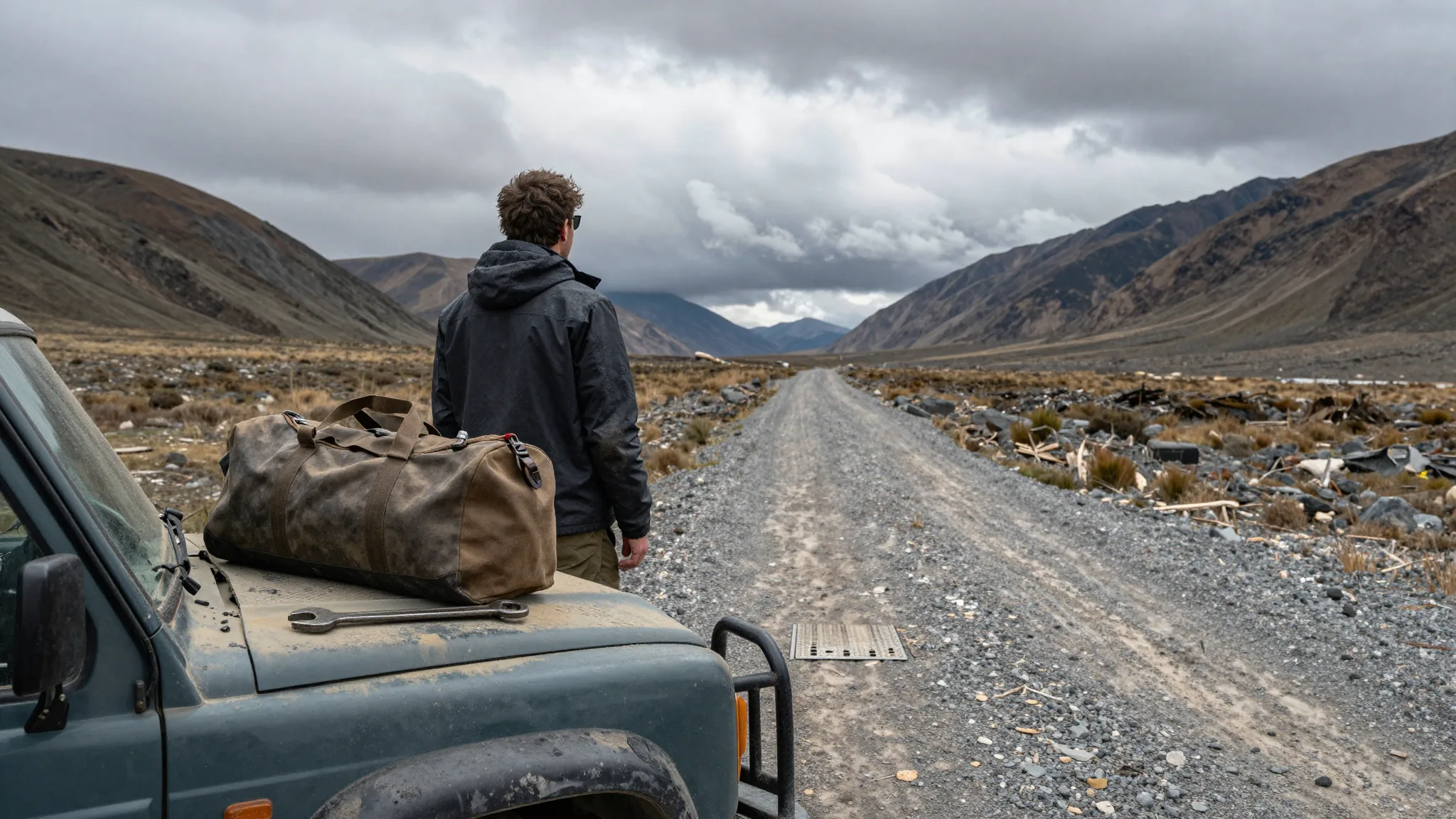
Finally, adjust your packing for weather volatility. Clouds can appear suddenly and change the appearance of a viewpoint, but that does not always mean the day is ruined. Bring layers, rain protection, and a flexible backup plan so you can still enjoy the landscape even when conditions shift. The goal is not to force a perfect photo day;

How Do You Know If Your Plan Is Still Too Aggressive?
You know your plan is too aggressive when you have less than one full rest day per two travel days, when a single route requires more than eight hours of driving, or when you have not confirmed permits for every major stop. If any of those conditions apply, the risk is not just discomfort—it is a higher chance of missed connections, wasted fees, and a trip that feels rushed instead of rewarding.
The conclusion is simple: the biggest mistake to avoid is treating this region as a single, compact destination. It is not. Treat it as a set of distinct routes with real travel time, real access rules, and real weather uncertainty. When you plan around those realities, the trip becomes more predictable, more comfortable, and far more enjoyable.