An island family travel guide must solve real problems, not just list destinations. This article walks you through the root causes of vacation stress, a step-by-step planning workflow, the most common questions families ask, and the risks that can derail your trip—plus concrete ways to prevent them.
Whether you are considering tropical archipelagos in Southeast Asia, the Caribbean, or a quieter island closer to home, the same planning principles apply. The goal is to reduce decision fatigue and build a trip that matches your family’s pace, budget, and energy level.
Why Most Island Family Trips Fall Apart Before They Begin
The most common reason island vacations disappoint is a mismatch between expectations and reality. Families often choose destinations based on photos alone, without researching travel time, ferry schedules, or how child-friendly the infrastructure actually is. A beautiful beach means little if the journey to reach it involves three transfers and a bumpy two-hour ride that exhausts young children before arrival.
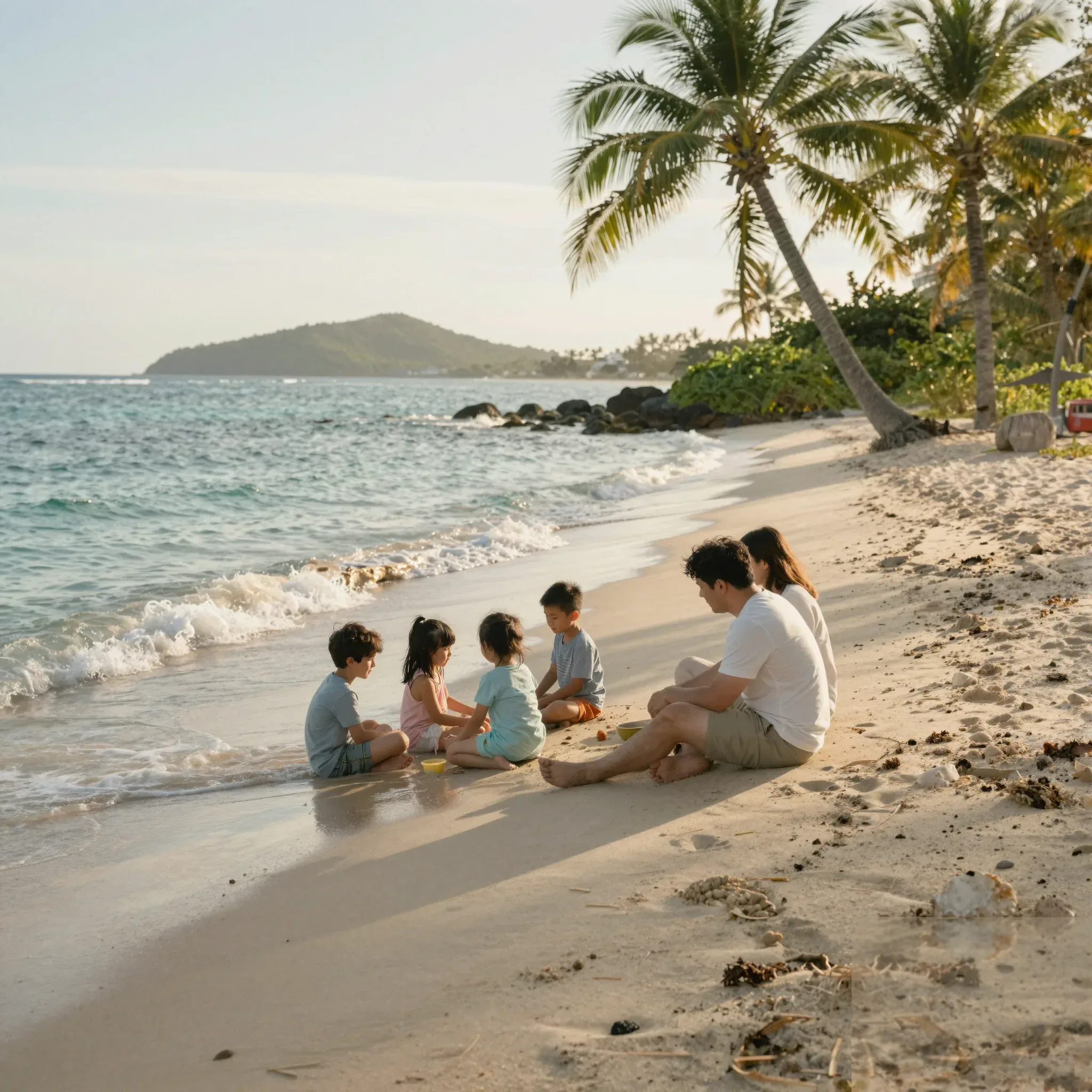
Another root cause is over-scheduling. Parents sometimes try to pack every activity into a short window, leaving no room for rest or spontaneity. When traveling with kids, flexibility is not optional—it is a necessity. The best island family travel guides emphasize slow travel, allowing each day to unfold naturally rather than following a rigid itinerary.
How to Build a Realistic Island Family Travel Itinerary
Start by defining your non-negotiables: budget ceiling, total travel days, and the age range of your children. These three factors narrow your destination list immediately. If you have toddlers, prioritize islands with short transfer times and reliable medical access. If your children are older, consider destinations with hiking, snorkeling, or cultural activities that keep them engaged.
Next, map out your days in blocks rather than hour-by-hour slots. Dedicate mornings to active excursions, afternoons to rest or low-key exploration, and evenings to dining or sunset activities. This rhythm prevents meltdowns and keeps energy levels manageable. Always build in at least one full rest day for every three active days—this is the single most effective way to keep a family trip enjoyable.
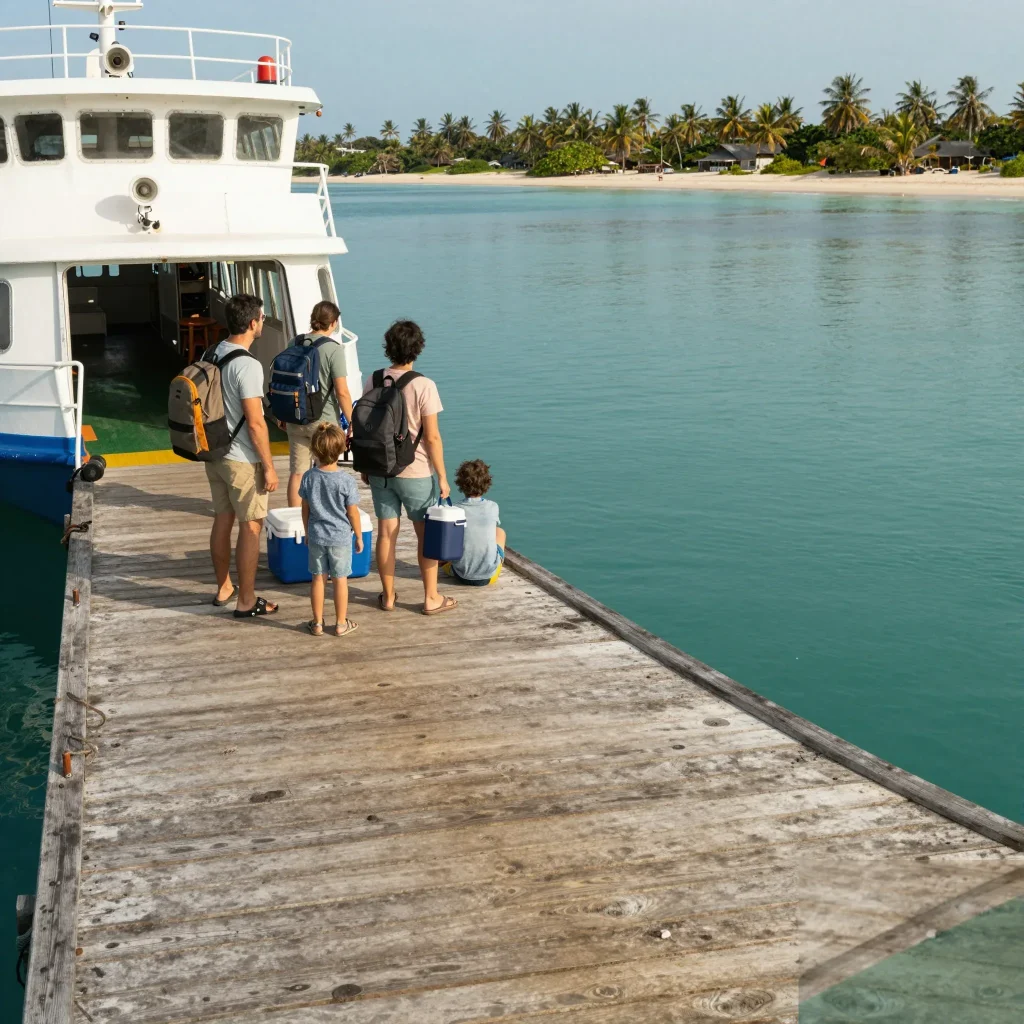
Research local transportation before you arrive. Many islands have limited taxi services, rental cars may not be available, and ferry schedules can be seasonal. Knowing these details in advance prevents the frustration of being stranded or paying premium prices for last-minute alternatives.
What Should Families Pack for an Island Vacation?
Packing for an island trip with children requires balancing preparedness with simplicity. The essentials include reef-safe sunscreen, insect repellent, a compact first-aid kit, reusable water bottles, and quick-dry clothing. Do not forget waterproof phone cases and dry bags—saltwater and sand are electronics’ worst enemies.
For families with young children, pack a small daypack with snacks, a change of clothes, and a lightweight blanket for impromptu beach naps. Older kids benefit from having their own small bag with books, games, or a journal. This gives them a sense of ownership and keeps them occupied during transit.
A common mistake is overpacking. Luggage limits on island ferries and small planes are often stricter than on mainland flights. Check weight restrictions before you finalize your bags, and consider shipping non-essential items ahead if your accommodation allows it.
How to Manage Risks When Traveling with Children on Islands
Safety on islands requires extra vigilance because medical facilities are often limited. Identify the nearest hospital or clinic before you depart, and carry a basic medical kit with bandages, antiseptic, fever reducers, and any prescription medications your family needs. Travel insurance that covers medical evacuation is not optional—it is essential.
Water safety is another critical risk. Always supervise children near the ocean, even if they can swim. Rip currents, sudden depth changes, and marine life are real hazards. Choose beaches with lifeguards when possible, and teach children to recognize warning flags.
Food and water safety also demands attention. In many island regions, tap water is not potable. Stick to bottled or filtered water, avoid ice from unknown sources, and choose restaurants with high turnover to ensure fresh food. Start with mild local dishes before introducing more adventurous options to avoid stomach issues mid-trip.
Finally, prepare for weather disruptions. Tropical storms and monsoon seasons can change plans overnight. Build flexibility into your itinerary so that a cancelled boat trip or a rainy day becomes an opportunity to explore local markets, visit a museum, or simply enjoy a slow morning at your accommodation.