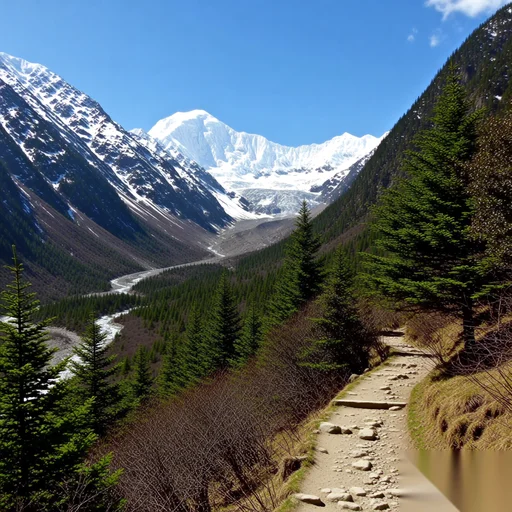
In Southeast Tibet, where snow-capped mountains meet lush valleys and ancient cultures thrive, planning a trekking adventure can feel overwhelming. But with the right guidance, you can transform your dream trip into a seamless, unforgettable experience. This guide breaks down the essentials to help you plan your perfect trek, from choosing the right route to packing the right gear.
Southeast Tibet, or the “Hidden Heart of China,” is a region of breathtaking natural beauty and rich cultural heritage. Whether you’re an experienced trekker or a first-time adventurer, the key to a successful journey lies in preparation. Understanding the terrain, weather, and local customs will ensure you make the most of your time in this remote and enchanting area.
First and foremost, research your route. Southeast Tibet is home to several iconic trekking trails, including the Yarlung Tsangpo Grand Canyon, the Lhasa to Shigatse Loop, and the Zangbo Valley. Each offers unique landscapes and cultural experiences, so choose a route that aligns with your fitness level and interests. For example, the Yarlung Tsangpo Grand Canyon is ideal for those seeking a challenging trek with stunning views, while the Lhasa to Shigatse Loop is perfect for a more relaxed journey through historic monasteries and vibrant markets.
Next, consider the best time to visit. The ideal trekking season in Southeast Tibet is from April to October, when the weather is mild and the trails are accessible. However, this period also sees a surge in tourists, so planning your trip during the shoulder months of March or November can offer a more tranquil experience. Keep in mind that the region is prone to sudden weather changes, so always pack layers and be prepared for both rain and snow.
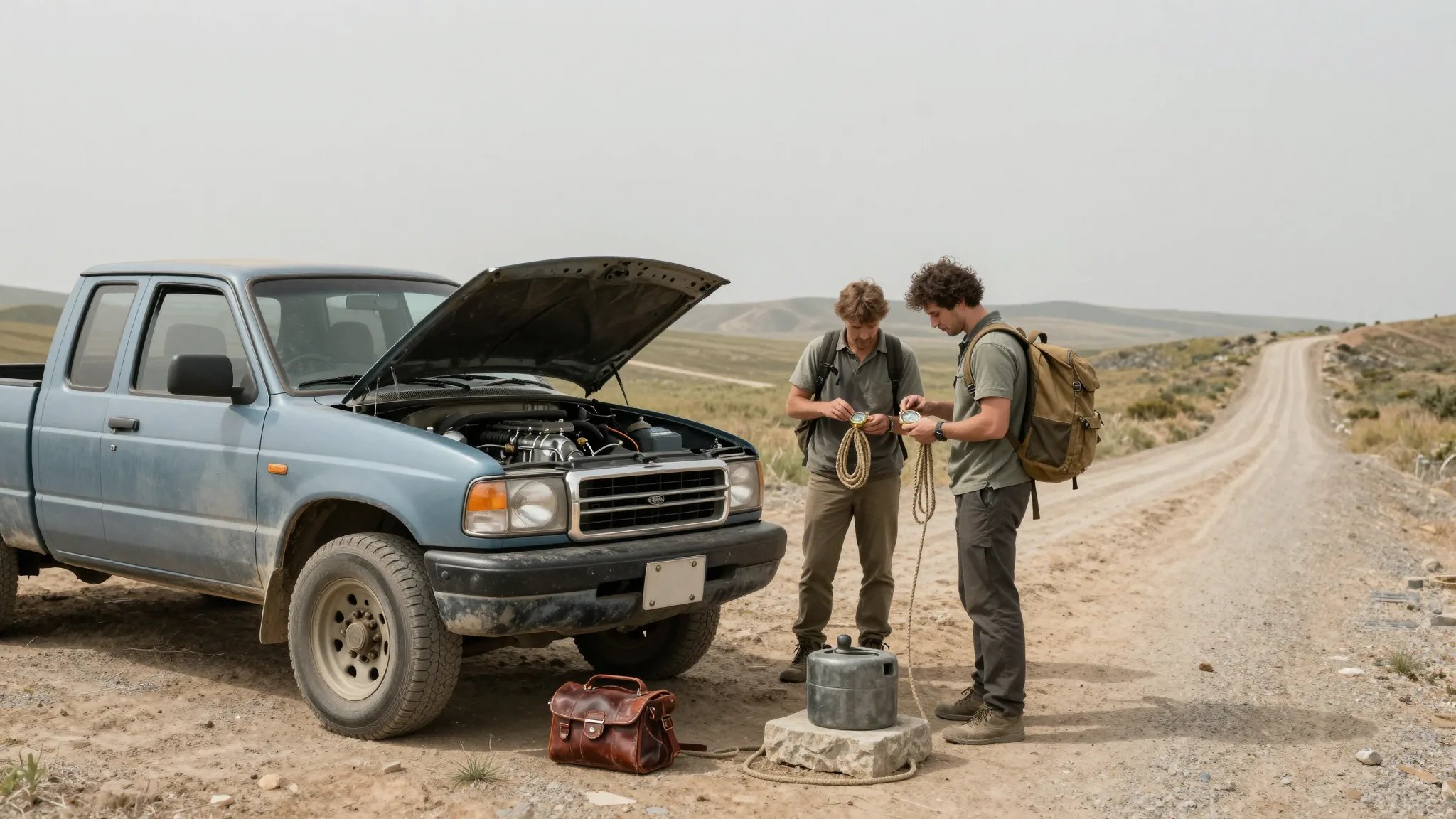
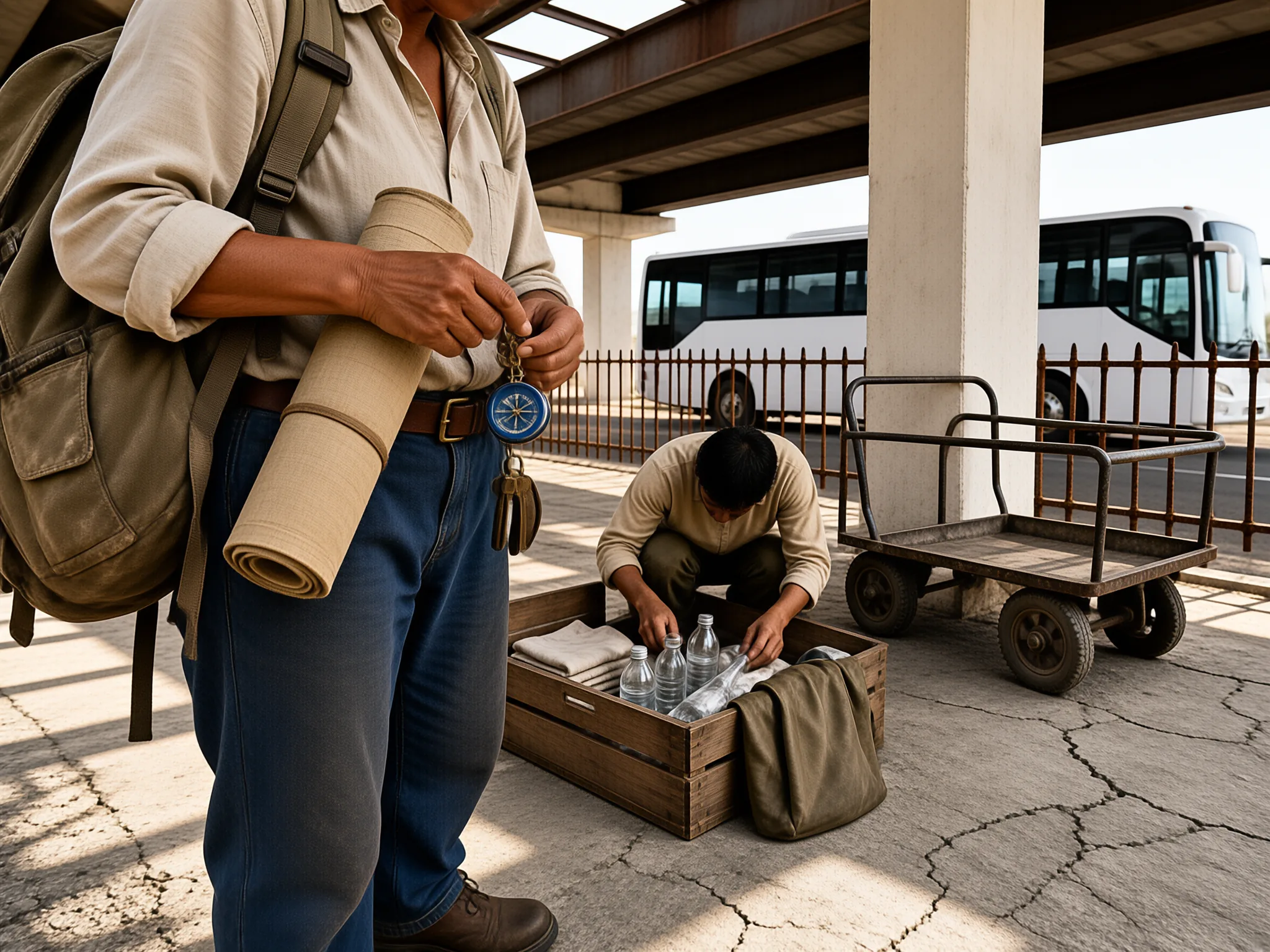
Packing the right gear is another crucial step. A good quality backpack, sturdy hiking boots, and weather-appropriate clothing are a must. Don’t forget to bring a reusable water bottle, a portable water filter, and a first-aid kit. It’s also advisable to carry a basic map or download offline navigation apps to stay on track.
Local guides and support staff can make all the difference in your trekking experience. Hiring a local guide not only ensures your safety but also provides insight into the region’s history, culture, and ecology. They can help you navigate the terrain, share stories of the local people, and even recommend the best places to rest and eat along the way.
A case in point is the recent trekking trip of a group of travelers who chose the Lhasa to Shigatse Loop. By following the tips outlined in this guide—researching the route, preparing for the weather, and hiring a local guide—they were able to fully immerse themselves in the region’s beauty and culture. They visited ancient monasteries, met with local monks, and enjoyed the serene landscapes of the Tibetan Plateau. Their experience highlights the importance of careful planning and the value of local expertise.
Finally, respect the environment and local culture. Southeast Tibet is a sacred land, and it’s important to tread lightly. Avoid littering, follow local customs, and be mindful of the wildlife. By doing so, you not only preserve the beauty of the region but also show respect to the people who call it home.




Comments
Anonymous
This guide is incredibly thorough and practical. I’ve been planning a trek to Southeast Tibet for months, and this has given me a clear roadmap to follow. Thank you!
Anonymous
The advice on hiring a local guide was a game-changer. I didn’t realize how much they could enhance the experience. I’ll definitely be doing that.