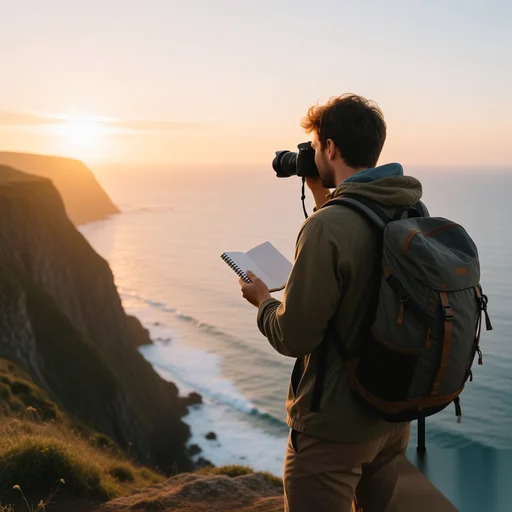
Traveling alone can feel daunting, but it’s also one of the most rewarding experiences you’ll ever have. The key to a successful solo trip is planning with intention, staying flexible, and embracing the unknown. Whether you’re a first-time solo traveler or looking to refine your approach, this guide will help you craft a solo travel itinerary that feels effortless, enriching, and deeply personal.
Solo travel isn’t about being alone—it’s about discovering yourself in a new place, making meaningful connections, and experiencing the world on your own terms. The biggest challenge is often the planning phase, where the fear of the unknown can be overwhelming. But with the right mindset and a few practical strategies, you can turn that fear into excitement.
Start by defining your purpose. Are you traveling for adventure, relaxation, cultural immersion, or self-discovery? Knowing your goal will help you choose the right destination, activities, and accommodations. For example, if you’re seeking adventure, a place like Patagonia or Southeast Asia might be ideal. If you’re looking for relaxation, a beach destination like Bali or the Maldives could be more suitable.
Next, research your destination thoroughly. Learn about local customs, transportation options, and safety tips. Use travel forums, blogs, and social media to get insights from other solo travelers. This preparation will give you confidence and help you avoid common pitfalls. Don’t forget to book accommodations in advance—hostels, guesthouses, or boutique hotels can offer a welcoming environment for solo travelers.
Create a flexible itinerary. While it’s important to have a general plan, leave room for spontaneity. Write down your must-see attractions and key dates, but also include time for unplanned adventures. This balance ensures you’re not too rigid, yet still on track to make the most of your trip.
Invest in reliable travel insurance. This is a small cost that can save you from major stress if something goes wrong. Look for policies that cover medical emergencies, lost luggage, and trip cancellations. Having this safety net allows you to travel with peace of mind.
Connect with fellow travelers. Solo travel doesn’t mean you have to be alone all the time. Join group tours, attend local events, or use apps like Meetup or Couchsurfing to meet like-minded people. These interactions can enrich your experience and create lasting memories.
Finally, take care of yourself. Solo travel can be exhausting, so prioritize rest, nutrition, and mental well-being. Stay hydrated, eat well, and take time to reflect on your journey. Remember, the goal is to grow through the experience, not just to check off destinations.

Comments
Anonymous
This guide was so helpful! I’ve never traveled alone before, but it gave me the confidence to plan my first solo trip to Japan. The tips about connecting with locals and staying flexible were especially useful.
Anonymous
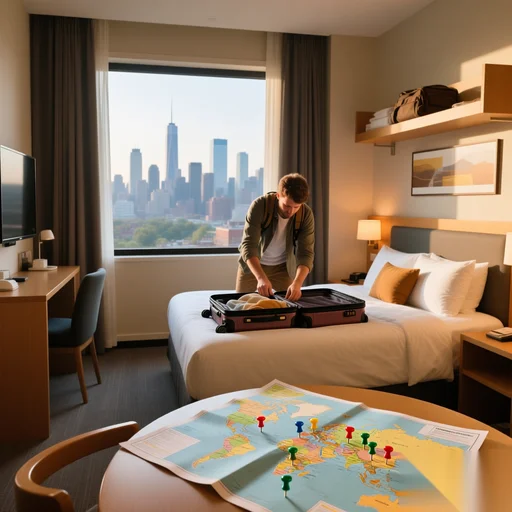
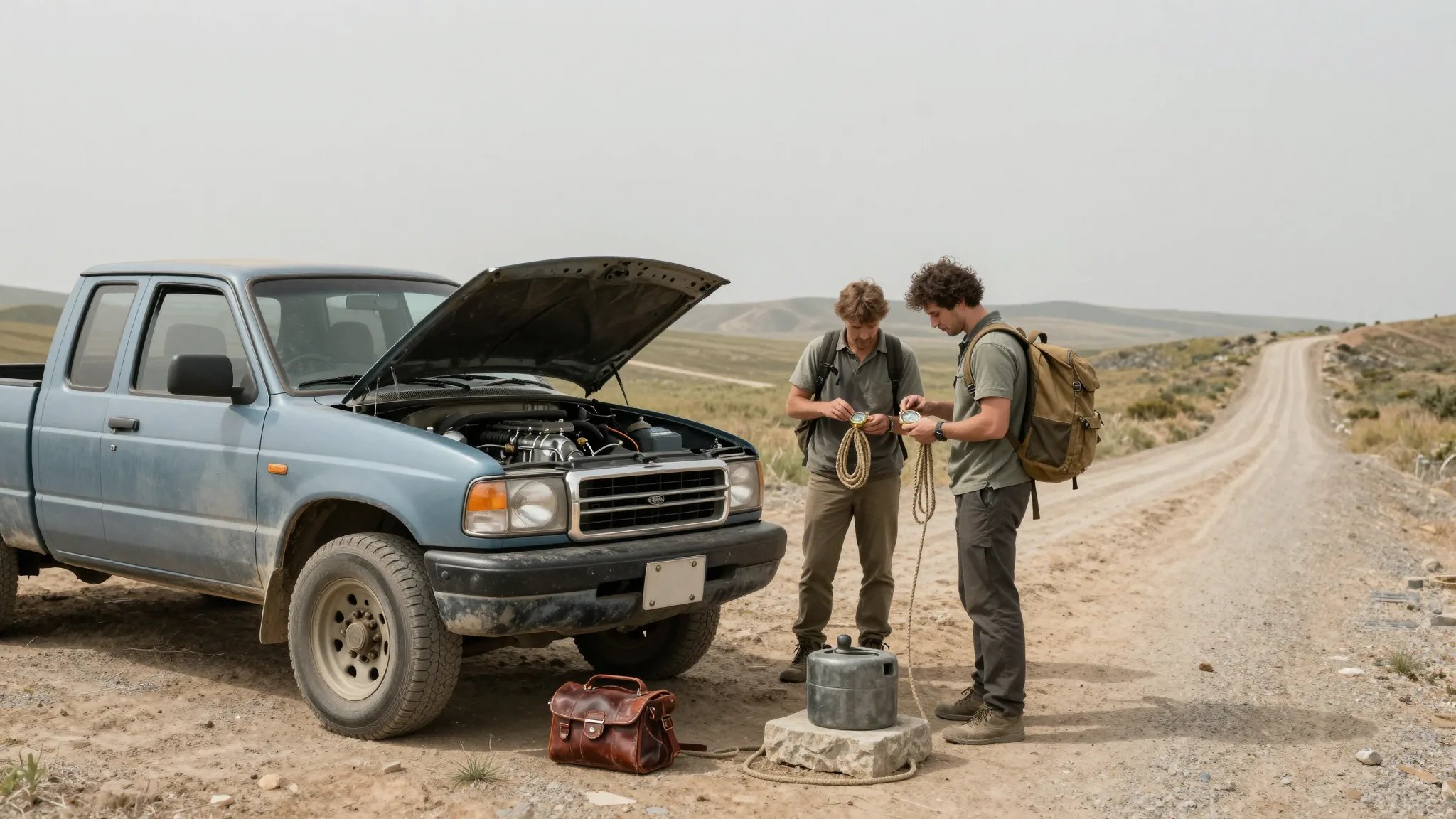
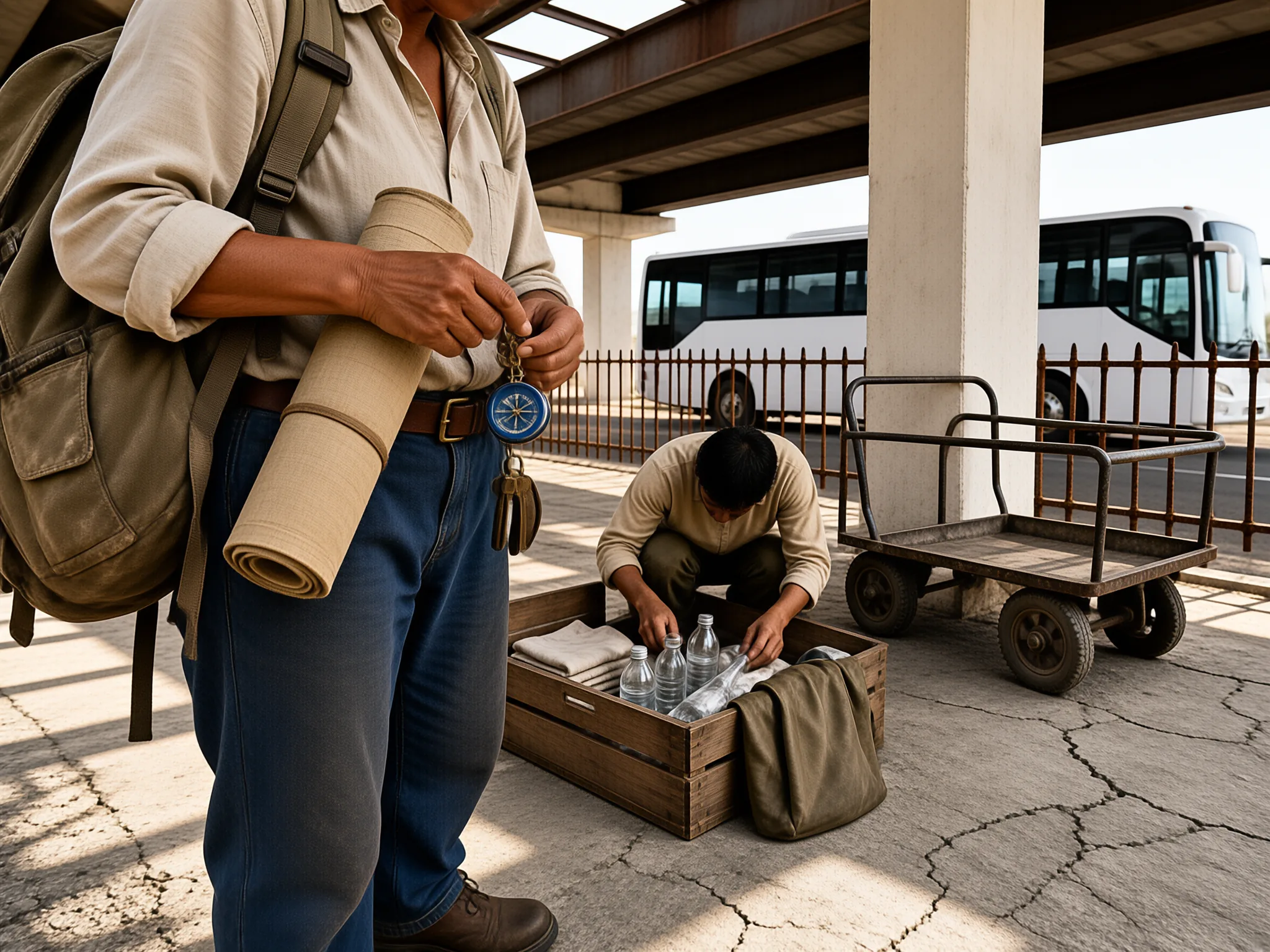
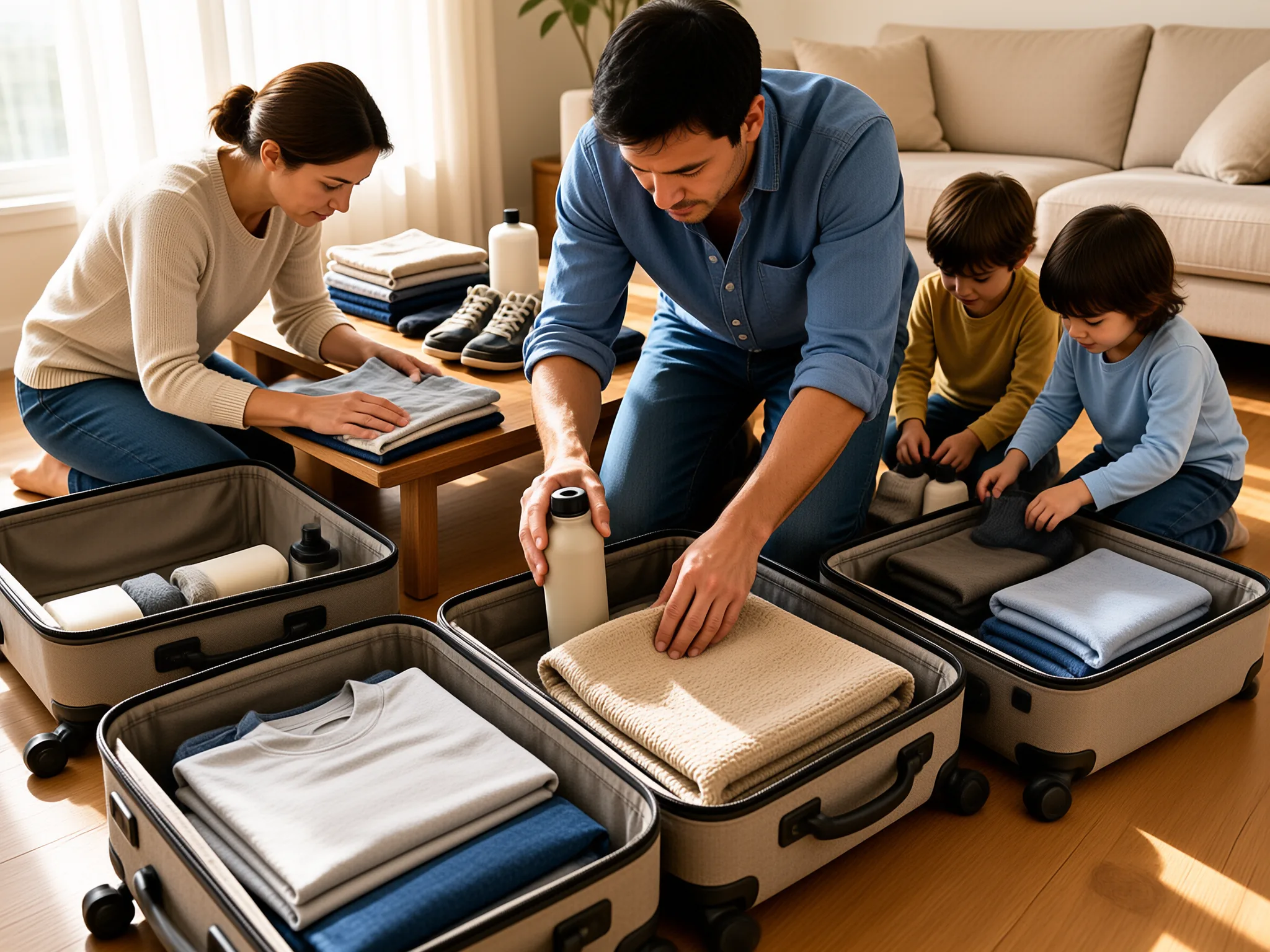
The image prompts were great—they helped me visualize what a solo travel setup looks like. I’m planning a trip to Morocco and the ideas really inspired me.
Anonymous
I love the emphasis on self-care. It’s easy to get caught up in the excitement of travel and forget to take care of yourself. The advice about travel insurance and staying hydrated is a game-changer.