
Writing a travel guide can feel overwhelming, especially if you’re new to the idea. But the truth is, it doesn’t have to be complicated. With the right approach, anyone can create a useful and engaging travel guide that helps others explore a destination with confidence. The key is to start with a clear structure, focus on what travelers need to know, and present the information in an easy-to-read format. In this guide, I’ll walk you through the essential steps to writing a travel guide that’s both informative and enjoyable to read.
First, it’s important to understand the purpose of a travel guide. A good travel guide isn’t just a list of places to visit—it’s a resource that helps travelers plan their trip effectively. It should answer the most common questions people have before they go, such as where to stay, what to see, how to get around, and where to eat. The goal is to provide a comprehensive overview of a destination that’s easy to follow and tailored to the interests of the reader.
Before you start writing, you need to define the scope of your guide. Are you focusing on a single city, a region, or an entire country? Will your guide be for budget travelers, luxury travelers, or a mix of both? Understanding your target audience will help you determine the tone and depth of your guide. For example, a guide for budget travelers might include tips on affordable accommodations and free attractions, while a guide for luxury travelers might highlight high-end hotels and exclusive experiences.
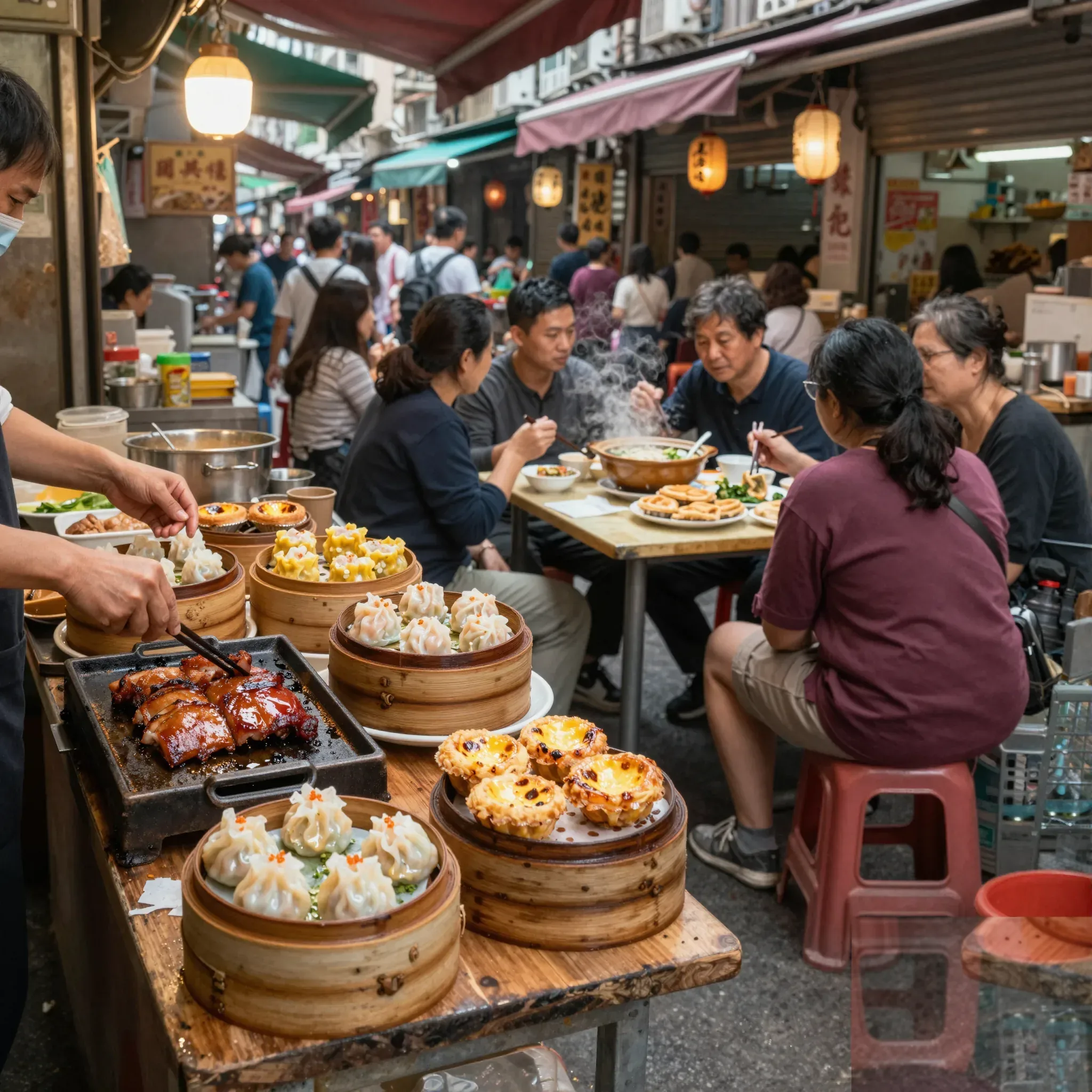
Next, organize your guide into clear sections. A well-structured travel guide is easier to read and more useful to the traveler. Start with an introduction that gives an overview of the destination, then move on to sections like “Getting There,” “Where to Stay,” “Top Attractions,” “Local Culture,” “Dining Recommendations,” and “Tips for Travelers.” Each section should be concise and focused, with bullet points or numbered lists to make the information easy to digest.
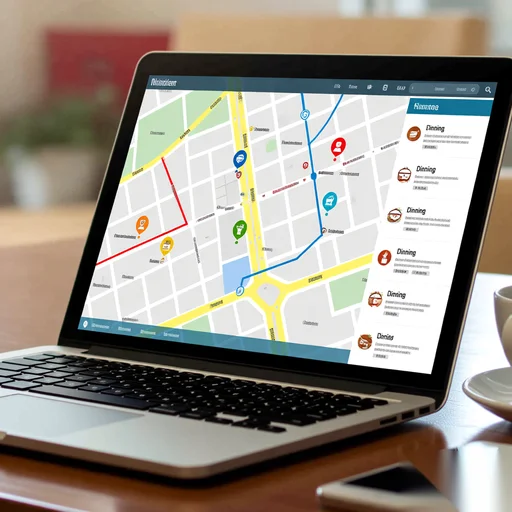
One of the most important aspects of a travel guide is the practical information. Travelers want to know the essentials—like transportation options, visa requirements, and safety tips. Make sure to include details such as how to get from the airport to your accommodation, the best time to visit, and any local customs or traditions that travelers should be aware of. Including a map or a list of must-visit places can also help readers navigate the destination more easily.
When writing about attractions, it’s helpful to provide a mix of popular and lesser-known spots. Highlighting unique experiences or hidden gems can make your guide stand out and give readers a more well-rounded view of the destination. For example, instead of only listing famous landmarks, include a recommendation for a local market or a scenic hiking trail that’s off the beaten path. This not only adds value to your guide but also helps readers discover new things to enjoy.
A travel guide is also an opportunity to share personal insights and recommendations. While it’s important to stay factual, adding your own experiences can make the guide more engaging and relatable. For instance, you might mention your favorite local café or a restaurant that’s not widely known but worth visiting. However, it’s important to remain neutral and avoid bias, especially when it comes to recommending specific places or services.
Let’s take an example to illustrate how this works. Imagine you’re writing a travel guide for Paris. You might start with an introduction that highlights the city’s rich history and culture. Then, in the “Getting There” section, you’d list the different ways to reach Paris, such as flying into Charles de Gaulle Airport or arriving by train from neighboring cities. In the “Where to Stay” section, you’d recommend a mix of budget-friendly hostels and luxury hotels, depending on the traveler’s preferences. For “Top Attractions,” you’d include iconic landmarks like the Eiffel Tower and the Louvre, as well as unique experiences like a Seine River cruise or a visit to a local art gallery.
Including practical tips is also essential. For example, you might suggest visiting certain attractions early in the morning to avoid crowds, or recommend using public transportation instead of taxis to save money. You could also provide information on local festivals or events that take place during specific times of the year. These details not only make your guide more helpful but also show that you’ve done your research and understand what travelers need.
Finally, make sure your guide is easy to read and visually appealing. Use clear headings, bullet points, and short paragraphs to keep the text engaging. If possible, include images or maps to help readers visualize the destination. A well-designed guide can make all the difference in how useful it is to the


Comments
Anonymous
I love the step-by-step approach—it makes writing a travel guide feel less intimidating.
Anonymous
The visuals in the preview really help visualize the process, I can almost see myself doing this!
Anonymous
This article is exactly what I needed as a first-time traveler looking to share my experiences.