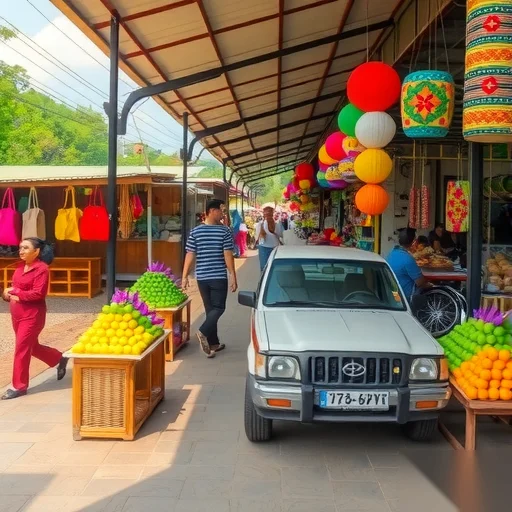
The answer is simple: Ancang Huimin is not a single scenic spot but a living cultural landscape. You don’t need a packaged tour. Instead, start from Lancang County and head toward the Ancang Township, where the Huimin (Hui Muslim) community has lived for generations. The core solution to enjoying this area is to blend slow travel with cultural respect—visit the mosque, eat at family-run halal noodle shops, and walk through the tea plantations that surround the village. Most travelers miss this because they rush between big-name attractions. But if you dedicate one full day to Ancang Huimin, you will discover a rare mix of Hui heritage and southern Yunnan’s natural beauty.
So why do so few people know about this place? The problem lies in how regional travel guides are written. They often focus on major towns like Menglian or Xishuangbanna, ignoring the smaller Hui settlements that have existed along ancient tea-horse trading routes for centuries. Ancang Huimin sits in a valley where the climate is mild year-round, yet it never became a tourist hub because local infrastructure remains simple. That is exactly its charm. No ticket booths, no souvenir stalls shouting for attention—just narrow lanes, the call to prayer echoing softly at dusk, and the smell of fried beef dumplings from a corner kitchen.
The principle behind a rewarding visit here is reciprocity. You show genuine curiosity, and locals open their doors. The Hui families in Ancang are descendants of traders who moved south during the Qing dynasty. They preserved their Islamic traditions while adopting local ingredients—think yak meat stir-fried with Dai-style herbs, or rice noodles in beef broth spiced with star anise and cardamom. Understanding this cultural fusion transforms your trip from sightseeing into meaningful exchange.
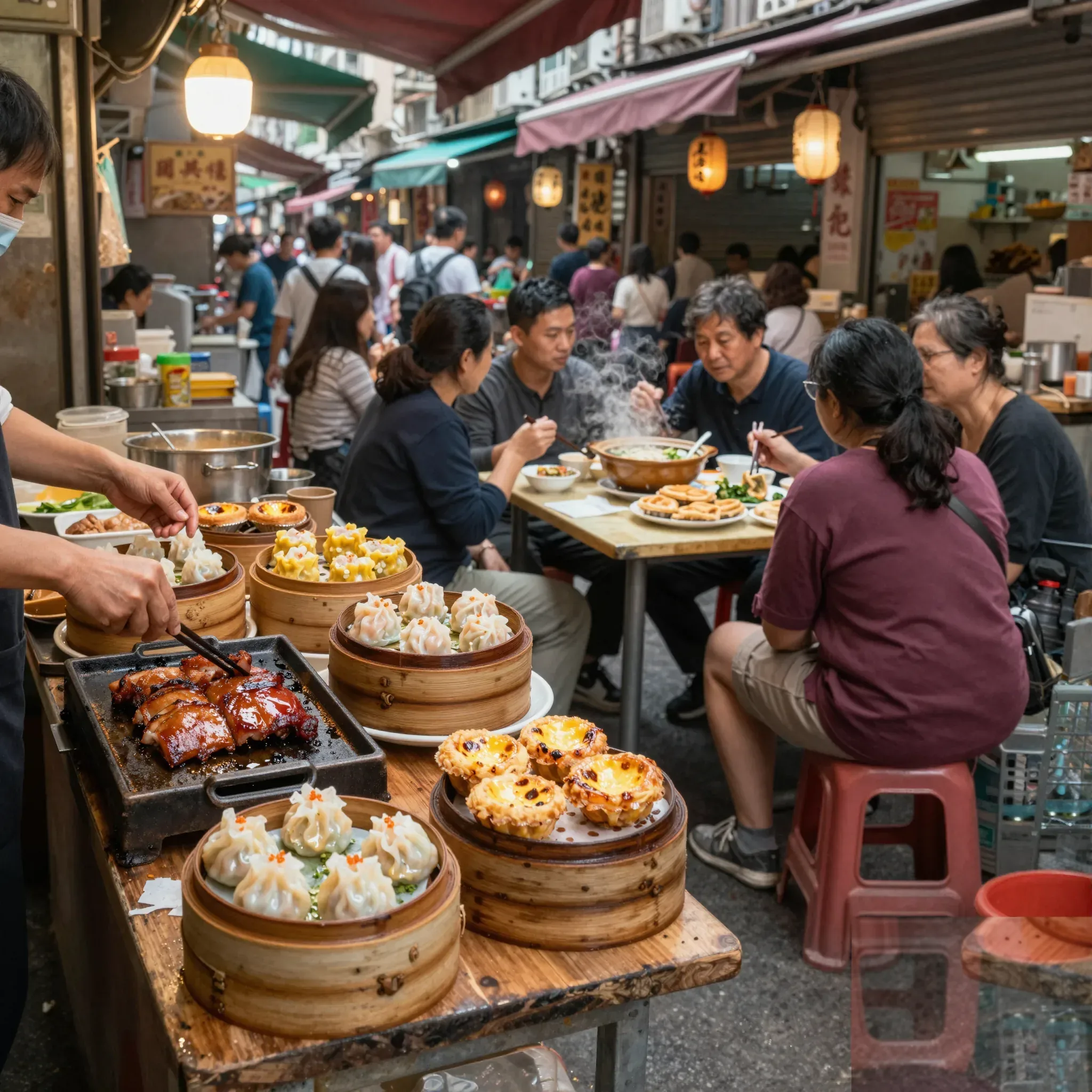
Let me walk you through a practical step-by-step approach. First, base yourself in Lancang County town, which has decent bus connections from Pu’er city. Early morning, take the local minibus heading to Ancang (departures around 7:30 AM and 9:00 AM; fare roughly 25 yuan). The ride takes one and a half hours through winding mountain roads lined with rubber and tea trees. Once you arrive, the village center is easy to navigate on foot. Start at the Ancang Mosque—a modest white building with a green dome, built in the 1800s. Ask permission before entering the prayer hall. Then walk east toward the small market square. Look for a hand-painted sign reading “Ma’s Noodle Shop.” Order the beef brisket noodles with pickled mustard greens. After lunch, follow the stone path uphill for twenty minutes until you reach the terraced tea fields. These are not commercial plantations; local families harvest tea leaves for their own use. You may meet Auntie Ma, who usually offers guests a cup of sun-dried pu’er while sitting on a bamboo stool. That is your real “attraction.”
For a concrete case, consider my own trip last spring. I arrived without any plan, carrying only a water bottle and a phone with offline maps. At the noodle shop, I sat next to a retired teacher named Mr. Liu, who had moved to Ancang from Kunming twenty years ago. He explained that the village has only about 200 Hui families, and they celebrate Eid by slaughtering a single cow collectively. He then walked me to a hidden spot behind the mosque—a small cemetery with stone markers inscribed in Arabic and Chinese. That experience taught me more about cultural integration than any museum. Later, I bought a bag of dried wild mushrooms from an elderly woman who used her fingers to show me the price: fifteen yuan. No bargaining needed. That evening, the minibus back to Lancang left at 4:30 PM sharp, so plan your timing accordingly.
One more image to help you visualize: the late afternoon view from the tea terraces. You see the white mosque dome rising above dark roof tiles, while smoke curls from chimneys where families prepare dinner. The sound is mostly birds and the occasional motorbike. That is the quiet heart of Ancang Huimin.
If you decide to stay overnight, know that accommodation is basic. Two homestays exist near the mosque—look for a sign saying “Hui Guesthouse.” Rooms are clean with shared bathrooms, about 80 yuan per night. Dinner options are limited to what the family cooks that evening, usually flatbread with beef stew and a plate of stir-fried ferns. And a practical warning: alcohol is not served anywhere in the village, and bringing your own bottle to drink publicly would be disrespectful. Also, Friday afternoons around 1 PM are prayer gatherings, so many shops close for an hour. Adjust your schedule.
The biggest mistake I see travelers make is treating Ancang Huimin as a half-day checkbox. That misses the point entirely. Slow down. Sit on the mosque steps and chat with the teenager who sells roasted tea eggs. Watch how the tea leaves are spread on bamboo mats to dry under the sun. Ask the noodle shop owner why she puts a tiny piece of sugarcane in the broth (it balances the spices). These small moments are the real guide.
(Just got back from Ancang last week. The noodle shop lady Ma is so warm and her beef broth is life-changing. But seriously, don’t expect any nightlife—bring a book and enjoy the silence.)
(Thank you for mentioning the Friday prayer closure. I arrived at 1:30 PM and found everything shut, but a local family invited me for lunch anyway. That never happens in touristy places.)
(Is this the same Ancang near the Lahu villages? I drove past it once and thought it was just a random stop. Now I regret not staying longer. Your tea field tip is gold.)
(As a Hui traveler myself, I really appreciate how you emphasized cultural respect. Most guides ignore that we exist in Yunnan. This is accurate and well-researched.)
Summary: Respectful slow travel in Ancang Huimin reveals halal noodles, tea hills, and genuine Hui-Yunnan fusion.
YunnanHuiCulture



Comments
Anonymous
fare roughly 25 yuan
Anonymous
Just got back from Ancang last week. The noodle shop lady Ma is so warm and her beef broth is life-changing. But seriously, don't expect any nightlife—bring a book and enjoy the silence.
Anonymous
Hui Muslim
Anonymous
departures around 7:30 AM and 9:00 AM
Anonymous
it balances the spices