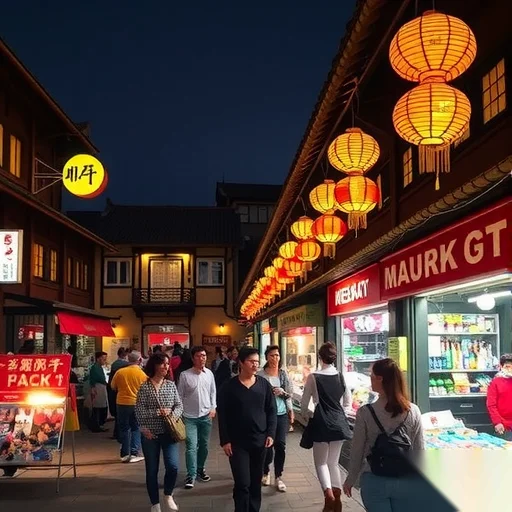
The simple answer is that Xitang is best experienced not as a checklist of sights but as a place to wander, eat, and let the canals set your rhythm. Most visitors make the mistake of rushing through the main streets during peak hours, snapping photos of the same bridges as everyone else, and leaving feeling they’ve seen a crowded tourist attraction rather than a living water town. The solution is to stay overnight, walk the smaller lanes at dawn, and let the evening lanterns guide you to the quieter corners. With a bit of planning around arrival times and ticket options, you can discover the Xitang that has drawn poets and painters for centuries.
The biggest mistake is assuming you can experience Xitang as a day trip from Shanghai or Hangzhou and capture its essence. The town transforms entirely after the day‑trippers leave; the evening light on the canals and the stillness before sunrise are the moments that linger in memory. Another common error is sticking to the main commercial street (West Street), which is crowded with souvenir shops, while missing the covered corridors and the quieter southern bank. The principle is simple: give yourself at least one overnight, walk the perimeter before 8:00 AM, and let the side canals be your guide.
Start by planning your timing. The ideal visit is a **late afternoon arrival, an overnight stay, and a morning departure**. Arrive around 3:00 PM, check into a guesthouse on the **south bank** of the main canal (quieter than the north side), and walk the covered corridors as the light softens. Purchase your entrance ticket at the gate; it’s valid for the remainder of the day and the following morning. The evening ticket (after 5:00 PM) is cheaper but does not include entry to the small museums, which are worth a visit if you have the full ticket.

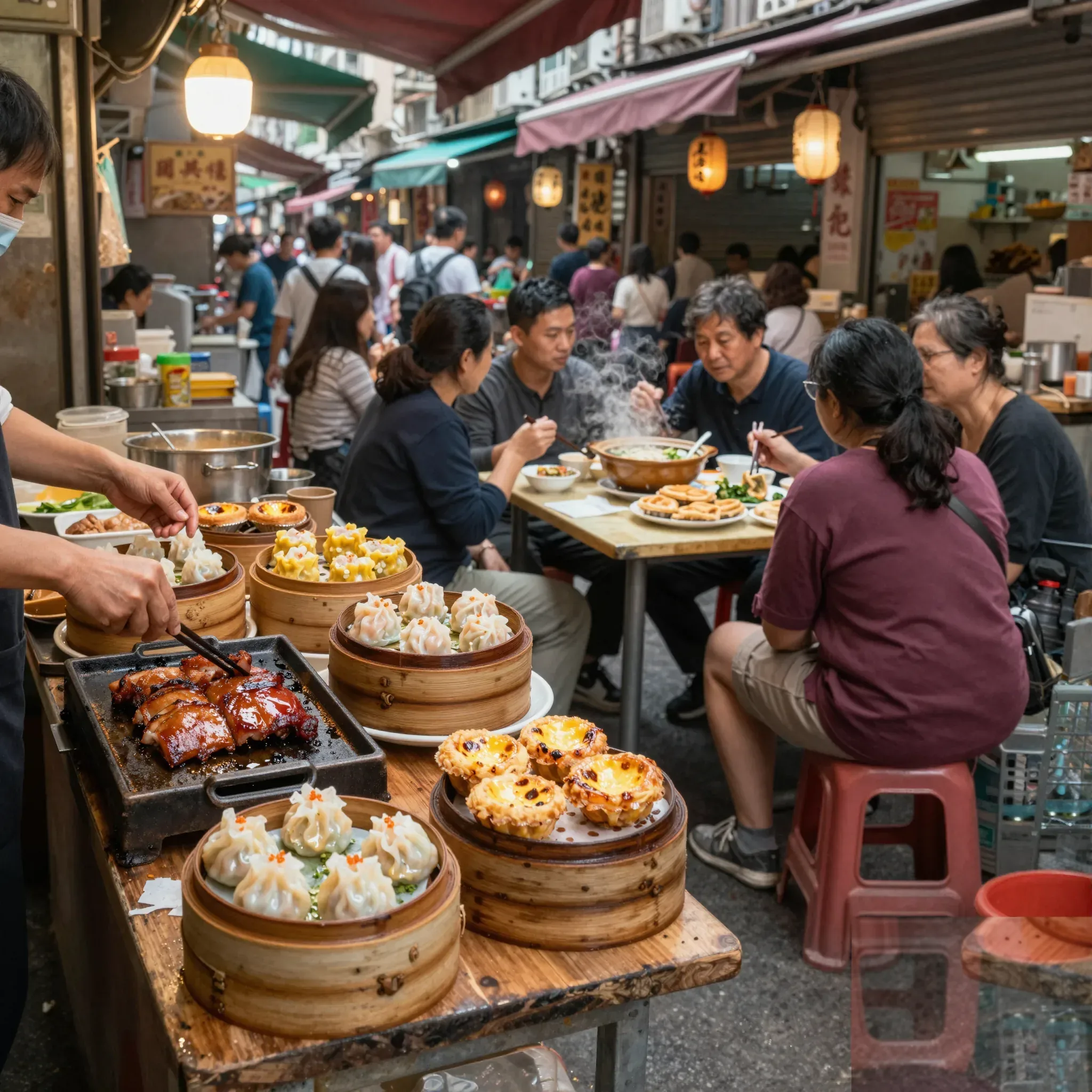
Spend your first evening exploring the **covered corridors (langpeng)** that line the canals. These are the town’s signature feature: roofed walkways that allow locals to trade, chat, and drink tea out of the rain. The longest stretch runs along the north bank from the **Songzi Laifeng Bridge** to the **Wofo Bridge**. As dusk falls, find a waterside restaurant—the area near the **Sending the Mother Bridge** has several with tables directly on the water. Order the local specialties: steamed whitebait, fried snails in soy sauce, and a pot of the region’s aged rice wine.
After dinner, take a **night boat ride**. The flat‑bottomed boats depart from several piers and glide through the quieter canals after 8:00 PM. The 20‑minute ride takes you under low bridges and past hidden courtyards; the reflections of the lanterns in the dark water create the classic Xitang image. For a more spontaneous walk, simply follow the smaller canals that branch off the main waterway—the lanes behind the **Zuiyuan Garden** and the area near the **Wine Culture Museum** see far fewer visitors after dark.
Wake early the next morning. The best time to walk the town is **6:00 AM to 8:00 AM**, before the tour buses arrive. Cross to the **south bank** and walk east along the **Yanyu Corridor**, a particularly beautiful covered walkway that follows a quiet branch of the canal. You’ll see locals washing vegetables at the water’s edge, elderly doing tai chi on the stone platforms, and the morning mist rising off the water. This is the Xitang that feels like a living community rather than a stage.
For the museums, choose two or three rather than trying to see them all. The **Drunken Garden (Zuiyuan)** is a classic scholar’s garden with a small pond and rockeries. The **Xitang Wine Culture Museum** is housed in an old brewery and offers tastings of the local rice wine. The **Root Carving Museum** has intricate pieces worth a quick look. All are included in the main entrance ticket.
A concrete example: a traveler I know arrived at Xitang on a Friday at 4:00 PM. She stayed in a guesthouse on the south bank, had dinner at a small restaurant by the Songzi Laifeng Bridge, and took a night boat ride after the crowds thinned. The next morning, she was on the Yanyu Corridor by 6:30 AM, walking the quiet lanes until 9:00 AM. She visited the Drunken Garden before checking out at noon. By the time the Saturday crowds arrived, she was on her way out, feeling she’d experienced the town’s best hours.
Logistics: Xitang is about an hour’s drive from Shanghai or Hangzhou. High‑speed trains arrive at Jiashan Nan Station; from there, taxis are a 20‑minute ride. The entrance fee is around ¥100 for the main ticket (valid for the day). If you’re staying overnight, your guesthouse can often arrange a discounted ticket. Wear comfortable walking shoes; the stone streets are uneven and can be slippery. For dining, avoid the restaurants on the main commercial stretch; instead, look for places on the side canals where you can see the kitchen and choose your fish from a tank.
[The advice to stay overnight is essential. I did Xitang as a day trip once and left feeling it was just a crowded tourist street. This time I stayed, walked at dawn, and finally understood why people love it. The morning mist on the water, the locals going about their day—it was magical. The night boat ride is also worth it; the reflections are beautiful.]
[I followed the south bank guesthouse recommendation and it was perfect. Quiet at night, easy access to the Yanyu Corridor in the morning. The covered corridors are wonderful in the evening light; I just walked slowly and stopped whenever a small alley looked inviting. The rice wine tasting at the museum was a nice break from walking.]
[The food tip about choosing restaurants with live fish is key. I had a meal on a side canal where the owner pulled a fish from a tank and cooked it with pickled peppers. Simple and delicious. The main street restaurants are overpriced and the food is average. Wander a bit and you’ll find the real thing.]
[I went on a weekday and still found the morning quiet. The Drunken Garden is small but lovely; I had it almost to myself at 9am. The ticket is worth it for the museums, but honestly the real attraction is just walking the canals. Bring a jacket for the morning walk—it can be chilly even in summer.]
Xitang’s magic unfolds with an overnight stay: arrive late afternoon for evening lantern reflections, take a night boat ride, then walk the quiet south bank corridors at dawn before the crowds arrive—letting the covered walkways and side canals reveal the water town’s authentic rhythm.
#XitangGuide##WaterTownTravel#FINISHED


Comments
anonymous
The food tip about choosing restaurants with live fish is key. I had a meal on a side canal where the owner pulled a fish from a tank and cooked it with pickled peppers. Simple and delicious. The main street restaurants are overpriced and the food is average. Wander a bit and you’ll find the real thing.
anonymous
I followed the south bank guesthouse recommendation and it was perfect. Quiet at night, easy access to the Yanyu Corridor in the morning. The covered corridors are wonderful in the evening light
anonymous
I just walked slowly and stopped whenever a small alley looked inviting. The rice wine tasting at the museum was a nice break from walking.
anonymous
the reflections are beautiful.
anonymous
The advice to stay overnight is essential. I did Xitang as a day trip once and left feeling it was just a crowded tourist street. This time I stayed, walked at dawn, and finally understood why people love it. The morning mist on the water, the locals going about their day—it was magical. The night boat ride is also worth it