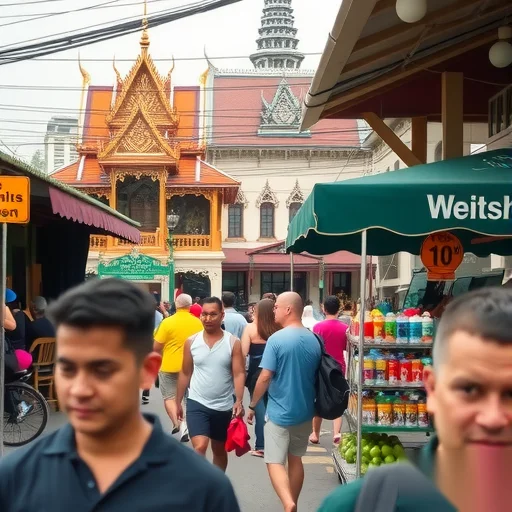
Traveling to Thailand is a dream for many, but without a clear plan, it’s easy to feel overwhelmed by the sheer variety of experiences, destinations, and cultural nuances. If you’re wondering *how to plan a perfect Thai vacation*, the answer lies in a well-structured itinerary that balances adventure, relaxation, and cultural immersion. Whether you’re a first-time visitor or looking to refine your travel strategy, this guide will walk you through the essentials of planning a memorable Thai trip, from choosing the right time to visit to making the most of your budget.
Thailand is a country of contrasts—its bustling cities, tranquil islands, and rich cultural heritage offer something for every type of traveler. However, the key to a successful trip is knowing what to prioritize. The first step is to define your travel goals. Are you looking for a mix of culture and beaches, a foodie adventure, or a budget-friendly getaway? Once you have a clear idea of what you want, you can tailor your itinerary accordingly. For example, if you’re interested in history and temples, Bangkok and Ayutthaya are must-visits. If you’re a beach lover, Phuket, Koh Samui, or Krabi will be your top choices.
Timing is another crucial factor. Thailand’s weather is generally hot and humid from March to October, with the hottest months between April and June. The rainy season runs from July to November, which can be unpredictable but also less crowded. The best time to visit depends on your preferences—those who enjoy warm weather can travel between November and February, while others may prefer the off-peak months for lower prices and fewer tourists. Additionally, major festivals like Songkran (Thai New Year) in April and Loy Krathong in November offer unique cultural experiences, but they can also be busy and expensive.
Once you’ve decided on your travel dates and destinations, the next step is to plan your budget. Thailand is one of the most affordable travel destinations in Southeast Asia, with budget-friendly options for accommodation, food, and transportation. However, it’s still important to allocate funds for activities, transportation between cities, and unexpected expenses. You can save money by staying in guesthouses or hostels, eating at local markets, and using public transport like buses or trains. If you’re planning to visit islands, consider taking a ferry or domestic flight to keep costs down.
To make the most of your trip, it’s essential to research the local culture and etiquette. Thailand is a deeply respectful country, and understanding basic customs can enhance your experience. For example, it’s important to remove your shoes before entering temples, avoid public displays of affection, and be mindful of local traditions during religious festivals. Learning a few basic Thai phrases, like “Sawasdee” (hello) and “Khop khun ka” (thank you), can also go a long way in building positive interactions with locals.
Another important aspect of planning a Thai vacation is choosing the right travel companions. Whether you’re traveling alone, with a partner, or in a group, your travel style will shape the type of experiences you choose. Solo travelers might prefer flexible itineraries and budget accommodations, while families may look for kid-friendly attractions and safe neighborhoods. Group travelers can take advantage of guided tours and shared accommodations to save money and meet new people.
Let’s take a case example: Sarah, a first-time traveler from the United States, wanted to visit Thailand for a two-week trip. She decided to focus on cultural and historical sites, so she planned to visit Bangkok, Ayutthaya, and Chiang Mai. She booked a budget hostel in Bangkok, used public transport to explore the city, and joined a guided tour for Ayutthaya’s ancient ruins. In Chiang Mai, she stayed in a guesthouse and explored the night markets and temples. She also booked a day trip to Doi Inthanon National Park for a peaceful retreat. By planning ahead and staying flexible, Sarah had an unforgettable experience and made lasting memories.
Whether you’re a first-time visitor or a seasoned traveler, Thailand offers endless opportunities for adventure and discovery. With the right planning, you can create a trip that balances excitement, relaxation, and cultural enrichment. The key is to start with a clear goal, research your options, and remain open to new experiences. Thailand is a country that rewards those who approach it with curiosity and respect, and with the right strategy, you’ll leave with unforgettable memories and a deeper appreciation for its rich heritage.




Comments
Anonymous
I followed this guide and had an amazing trip! The tips on budgeting and cultural etiquette were especially helpful.