Traveling is one of the most exciting experiences in life, but for first-time travelers, it can also be overwhelming. The key to a stress-free and unforgettable trip lies in planning a well-structured itinerary. This guide will walk you through the essential steps to create the perfect travel itinerary, ensuring you make the most of your time and budget.
Whether you’re visiting a bustling city or exploring a quiet countryside, a detailed plan helps you avoid last-minute stress and enjoy every moment. Start by defining your travel goals—what do you want to see, experience, or achieve during your trip? Once you have a clear idea of your priorities, you can begin organizing your days, activities, and accommodations.
Next, research your destination thoroughly. Look up the best places to visit, local attractions, and any cultural or seasonal considerations. Reading reviews and checking travel blogs can provide valuable insights into what to expect. Don’t forget to consider the weather, transportation options, and local customs to ensure a smooth and respectful experience.
Once you have all the information, it’s time to break down your trip into manageable segments. Start with your arrival day, then plan each day with a mix of must-see sights, leisure activities, and downtime. Allocate enough time for each activity to avoid rushing and missing out on the experience. If you’re traveling with others, make sure to consider everyone’s preferences and schedules.
It’s also important to factor in travel time and transportation. Whether you’re using public transport, renting a car, or relying on ride-sharing services, plan your routes in advance to avoid delays. Having a backup plan for unexpected changes, like weather disruptions or last-minute cancellations, can help you stay calm and adaptable.
Another crucial aspect of planning is budgeting. Decide how much you’re willing to spend on accommodation, food, transportation, and activities. Look for affordable options without compromising on quality, and consider booking in advance to secure the best deals. Many travel platforms offer discounts for early bookings, so take advantage of those.
To keep your itinerary flexible, leave some room for spontaneity. While it’s important to have a plan, being open to last-minute changes can lead to unexpected discoveries. For example, a spontaneous street market visit or a local festival might become one of your favorite memories. Balance structure with flexibility to make your trip both organized and enjoyable.
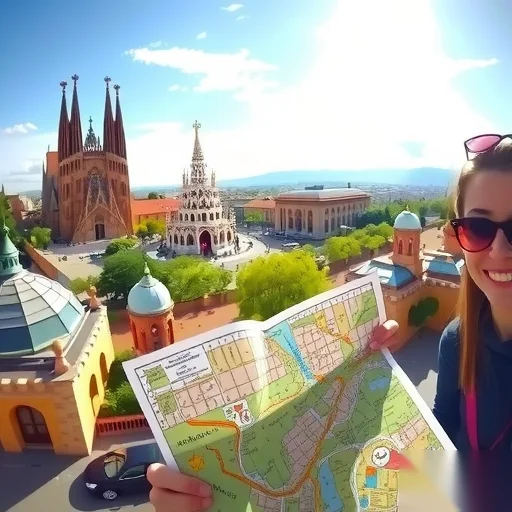
Let’s take a real-world example. Imagine planning a trip to Barcelona. You might start by researching the top attractions like the Sagrada Família, Park Güell, and La Rambla. Then, you could plan your days around these sites, ensuring you have enough time to explore each one without feeling rushed. Book a central hotel for easy access to public transport, and set aside some time for dining at local restaurants to experience the city’s cuisine. Finally, include a day for relaxation at a nearby beach or a museum visit to balance your schedule.
By following these steps, you can create an itinerary that is both comprehensive and enjoyable. Remember, the goal is to make your trip memorable, not to follow a rigid schedule. With careful planning and a little flexibility, you’ll be well on your way to an amazing travel experience.






Comments
Anonymous
The example with Barcelona made everything clearer. I can now see how to structure my own trip step by step.
Anonymous
The section on budgeting was especially useful. I didn’t realize how much I could save by booking in advance and choosing the right accommodation.
Anonymous
This guide is incredibly helpful for someone who’s never planned a trip before. I feel more confident now about organizing my own itinerary!