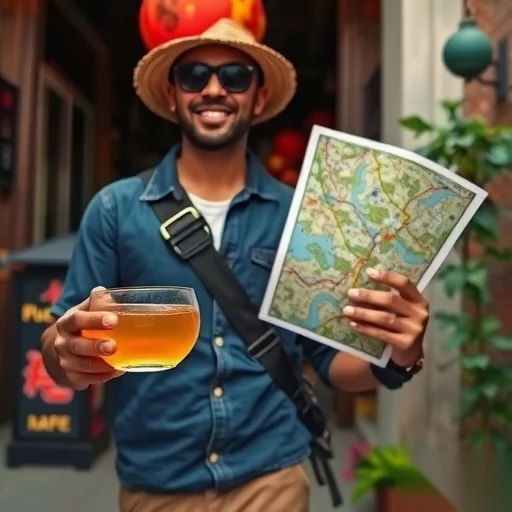

Traveling to Beijing on your own can be overwhelming, especially with so many sights, cultural experiences, and practical considerations to take into account. But with the right planning, you can create a seamless and unforgettable self-guided trip that covers the city’s most iconic landmarks, local culture, and hidden gems. The key to a successful Beijing travel itinerary lies in balancing efficiency with flexibility, ensuring you make the most of your time without feeling rushed or stressed. This guide will walk you through the essential steps to plan the perfect Beijing self-guided trip, from choosing the best time to visit to optimizing your daily schedule and making the most of local experiences.
Before you start planning, it’s important to understand what makes Beijing a unique destination. The city is a blend of ancient history and modern innovation, offering everything from world-renowned historical sites like the Forbidden City and the Temple of Heaven to vibrant markets, street food, and cutting-edge shopping districts like Wangfujing. However, without proper planning, it’s easy to miss out on the best experiences or end up spending too much time waiting in lines or getting lost. The solution is to create a well-structured itinerary that prioritizes must-see attractions, incorporates local culture, and leaves room for spontaneous discoveries.
To plan a self-guided trip effectively, start by determining the length of your stay. A minimum of 5 days is recommended to explore the city thoroughly, but 7 to 10 days allows for a more relaxed pace. Next, focus on the main areas you want to visit. Beijing’s most popular attractions are concentrated in the central and western parts of the city, so it’s best to base yourself in one of these areas to minimize travel time. Popular neighborhoods include Dongcheng District (home to the Forbidden City and Tiananmen Square) and Xicheng District (near the Temple of Heaven and the Summer Palace). Once you’ve decided on your base, research the top sights and plan your days around them.
A good strategy is to group attractions by location and theme. For example, dedicate one day to exploring the historical sites in the city center, another to visiting the Summer Palace and nearby parks, and a third to discovering the local culture in the hutong neighborhoods. It’s also helpful to include a mix of daytime and evening activities to avoid the crowds and enjoy the city at different times of the day. Don’t forget to factor in travel time between locations, as Beijing’s public transportation is efficient but can be crowded during peak hours.
One of the most effective ways to optimize your itinerary is by using a combination of public transportation and ride-hailing apps like Didi. The Beijing Subway is reliable and covers most of the city, while ride-hailing services are convenient for longer distances or when you want to avoid navigating crowded stations. Additionally, consider purchasing a transportation card or using the Beijing Public Transport app to access discounts and real-time updates.
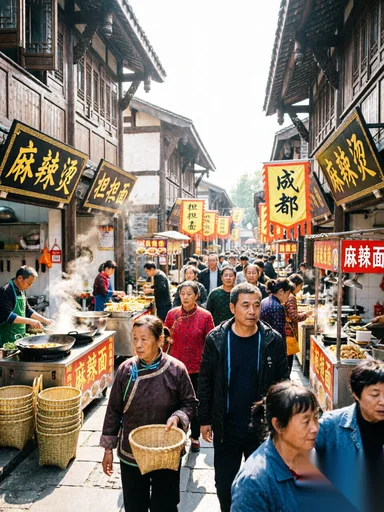
To make the most of your trip, don’t forget to include local experiences. Try traditional Beijing cuisine, such as Peking duck or hot pot, at local restaurants or street food stalls. Explore the hutong neighborhoods to get a glimpse of old Beijing’s lifestyle, and visit markets like Dashilan or Wangfujing to experience the city’s vibrant shopping culture. These activities not only add depth to your trip but also allow you to connect with the local community in a meaningful way.
A practical example of a well-planned itinerary might look like this: Day 1 could focus on the Forbidden City and Tiananmen Square, followed by a visit to the National Museum in the evening. Day 2 could be dedicated to the Temple of Heaven and the Summer Palace, with a relaxed afternoon in the nearby parks. Day 3 could involve exploring the hutong neighborhoods and experiencing local culture, while Day 4 might be spent shopping in Wangfujing or visiting the Beijing Zoo. The remaining days can be used for exploring nearby attractions like the Great Wall of China or the Fragrant Hills.
By following this approach, you’ll be able to experience the best of Beijing without feeling overwhelmed. It’s also important to stay flexible, as unexpected opportunities or delays can lead to some of the most memorable experiences. Whether it’s a spontaneous visit to a local tea house or an impromptu conversation with a friendly street vendor, being open to the unexpected can make your trip even more rewarding.
In summary, planning a self-guided trip to Beijing requires careful consideration of your interests, the city’s layout, and the best ways to navigate and experience it. With the right strategy, you can create a balanced itinerary that covers the must-see sights, immerses



Comments
anonymous
I followed the itinerary and visited all the must-see spots, but the local tea house in the hutong was a hidden gem I didn't expect to find.
anonymous
Exploring Beijing on my own was an amazing experience, and this guide helped me make the most of my trip!