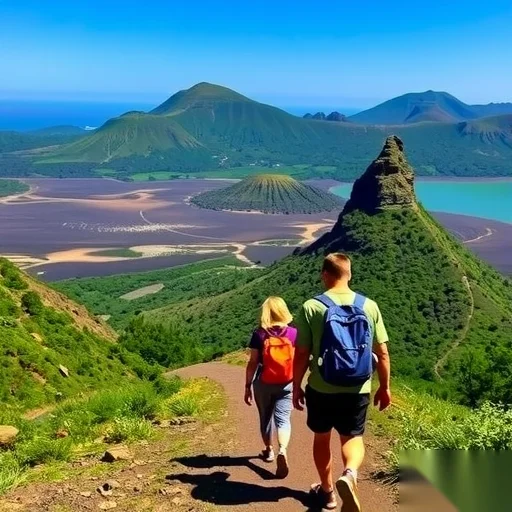
Changbai Mountain, with its breathtaking natural scenery and unique cultural heritage, is a dream destination for many travelers. However, planning a free-style trip to this scenic area can be overwhelming if you don’t know where to start. The key to a successful self-guided trip lies in understanding the essentials: from choosing the right season to packing the right gear, and from navigating the trails to experiencing local culture. With a clear plan and proper preparation, you can enjoy the beauty of Changbai Mountain without the stress of uncertainty.
Changbai Mountain is located in the northeastern part of China, straddling the border between Jilin Province and the North Korean border. It is famous for its snow-capped peaks, volcanic landscapes, and the sacred Heavenly Lake. The mountain is divided into several areas, including the Changbai Mountain Scenic Area, the Jilin Scenic Area, and the Yanji Scenic Area, each offering different experiences. Whether you’re an avid hiker, a nature lover, or a cultural enthusiast, Changbai Mountain has something to offer.
Before you set off, it’s important to choose the right season for your trip. The best time to visit is from late spring to early autumn, when the weather is mild and the natural scenery is at its most vibrant. During this period, you can enjoy the blooming wildflowers, lush forests, and clear mountain streams. In contrast, winter offers a different kind of beauty, with the mountain covered in snow and the Heavenly Lake frozen into a stunning ice wonderland. However, winter travel requires careful preparation, including warm clothing and proper footwear.
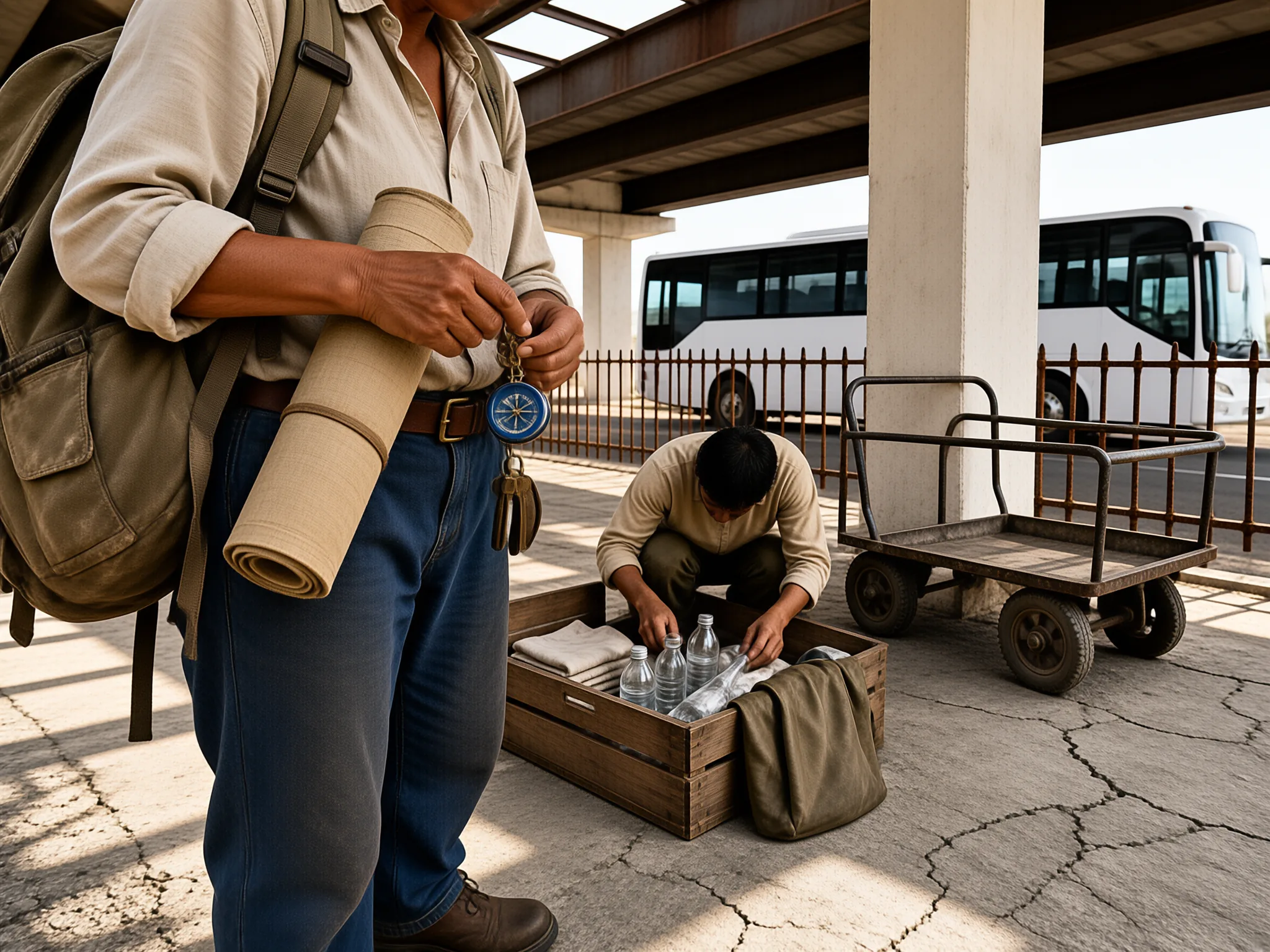
Packing the right gear is another essential part of planning a self-guided trip. Depending on the season, your luggage will vary. In summer, lightweight clothing, hiking boots, and a rain jacket are recommended. In winter, thermal clothing, gloves, hats, and waterproof gear are a must. It’s also advisable to bring a reusable water bottle, snacks, and a first-aid kit. Additionally, a map or a GPS device can be useful for navigation, especially if you’re exploring the less-traveled trails.
One of the highlights of a trip to Changbai Mountain is the Heavenly Lake, a glacial lake surrounded by snow-capped peaks. The lake is not only a natural wonder but also holds cultural significance, as it is considered a sacred site by the local Manchu people. To visit the Heavenly Lake, you can take a scenic bus or hike up the mountain. The hike is approximately 10 kilometers and takes around 5 to 6 hours, offering breathtaking views along the way.
Another must-visit attraction is the Wolongtou (Wolf Hill), which is known for its unique volcanic formations and the legend of the white wolf. The hike to Wolongtou is shorter than the Heavenly Lake trail, making it a great option for those looking for a less strenuous adventure. The trail is surrounded by dense forests and offers panoramic views of the mountain and the surrounding valleys.
If you’re interested in experiencing local culture, the Wudang Mountain area is a great place to explore. This region is home to the Wudang Mountains, which are famous for their Daoist temples and historical significance. You can visit the Wudang Mountains and learn about the rich history and spiritual traditions of the area.
To make the most of your self-guided trip, it’s important to plan your itinerary in advance. You can start by selecting the main attractions you want to visit and then allocate time for each activity. For example, you could spend one day exploring the Heavenly Lake and Wolongtou, another day hiking to the Wudang Mountains, and a third day relaxing in the nearby hot springs. It’s also a good idea to book accommodations in advance, especially during peak travel seasons.


Comments
anonymous
I followed this guide and had an amazing trip to Changbai Mountain. The Heavenly Lake hike was worth every step!
anonymous
The tips on packing and season selection were really helpful. I didn’t know about the local legends, but it added so much to the experience.
anonymous
This is a great resource for first-time travelers. I’ll definitely use it for my next trip to the area.