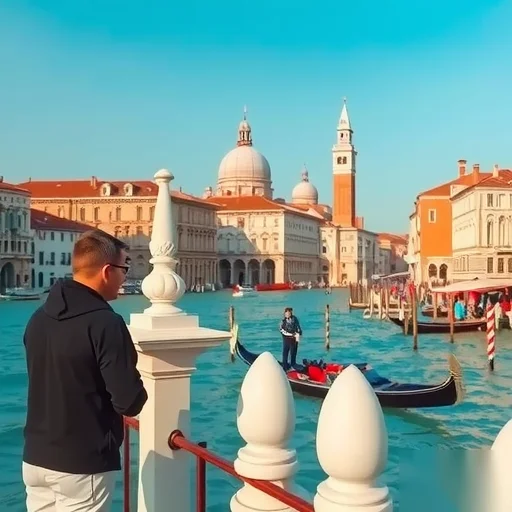
Traveling to Europe is a dream for many, but the sheer size, diversity, and complexity of the continent can make planning a trip feel overwhelming. Whether you’re a first-time traveler or a seasoned globetrotter, the key to a successful European adventure lies in thorough preparation, smart planning, and knowing where to focus your efforts. This guide will walk you through the essential steps to plan an unforgettable European trip, ensuring you make the most of your time, budget, and experiences.
Europe is a vast continent with over 40 countries, each offering unique cultures, histories, and landscapes. From the ancient ruins of Rome to the serene beauty of the Swiss Alps, the continent is rich in attractions. However, without a clear plan, it’s easy to feel lost or overwhelmed. The solution lies in narrowing your focus, setting clear goals, and creating a realistic itinerary that balances sightseeing, relaxation, and travel logistics.
Before you begin, consider the purpose of your trip. Are you looking for historical landmarks, natural beauty, or a mix of both? Do you want to explore major cities like Paris and Barcelona, or are you interested in off-the-beaten-path destinations? Defining your travel goals will help you prioritize which countries and cities to visit, as well as how much time to allocate to each.
Once you’ve identified your interests, the next step is to research your destinations. Start by selecting a few key countries that align with your travel goals. For example, if you’re interested in art and history, consider Italy, France, and Spain. If you’re drawn to nature and outdoor activities, countries like Norway, Switzerland, and Austria may be more suitable. Once you’ve chosen your countries, look into the best times to visit. Seasonal factors can greatly impact weather, crowd levels, and pricing. For instance, visiting Europe in the spring or autumn often offers pleasant weather and fewer tourists, while winter is ideal for ski resorts in the Alps or Christmas markets in Germany.
After determining your destinations and timing, it’s time to plan your route. A well-structured itinerary should allow for a smooth transition between cities, avoiding long, tiring journeys. Consider using a mix of trains, buses, and flights to travel efficiently. Europe’s extensive transportation network makes it easy to move between cities, but it’s important to book tickets in advance, especially during peak travel seasons. Additionally, planning your accommodation in advance can save you time and money, and help you secure the best options in your preferred locations.
One of the most critical aspects of planning a European trip is managing your budget. Europe offers a wide range of options, from luxury hotels and fine dining to budget-friendly hostels and street food markets. To keep costs manageable, consider booking flights during off-peak times, using public transportation instead of taxis, and dining at local eateries rather than tourist traps. Additionally, many countries offer travel cards or passes that allow unlimited travel within a specific region, which can be a cost-effective option for those planning to explore multiple cities.
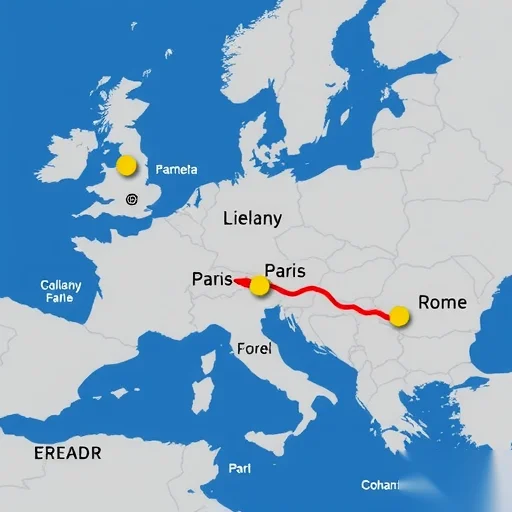
Let’s take a real example to illustrate how this works. Suppose you’re planning a two-week trip to Western Europe, focusing on history, art, and cuisine. You might start in Paris, visiting iconic landmarks like the Eiffel Tower, Louvre Museum, and Notre-Dame Cathedral. From there, you could take a train to Lyon, known for its rich culinary scene, before heading to Venice for its canals and Renaissance architecture. Finally, you might spend a few days in Rome, exploring ancient ruins, Vatican City, and the Colosseum. By creating a flexible yet structured itinerary, you can ensure you have enough time to experience each destination without feeling rushed or overwhelmed.
In addition to planning your itinerary, it’s important to prepare for the practical aspects of travel. Ensure your passport is valid for at least six months beyond your planned return date, and check if you need a visa for your destination countries. Purchase travel insurance to protect against unexpected events, such as medical emergencies or flight cancellations. Pack clothing suitable for the climate and activities you’ll be engaging in, and bring essential travel documents like your itinerary, hotel bookings, and emergency contact information.
Finally, stay flexible and open to new experiences. While planning is essential, unexpected opportunities or changes in the schedule can lead to the most memorable moments of your trip. Whether it’s a local festival, a spontaneous detour, or a chance meeting with a fellow traveler, being adaptable can enhance your European adventure in ways you never anticipated.






Comments
Anonymous
I've been to Europe a few times, but I still find planning a trip challenging. This step-by-step approach might help me organize everything better.
Anonymous
This guide seems like a lifesaver for someone who's never traveled abroad before. I'm excited to start planning my dream trip!