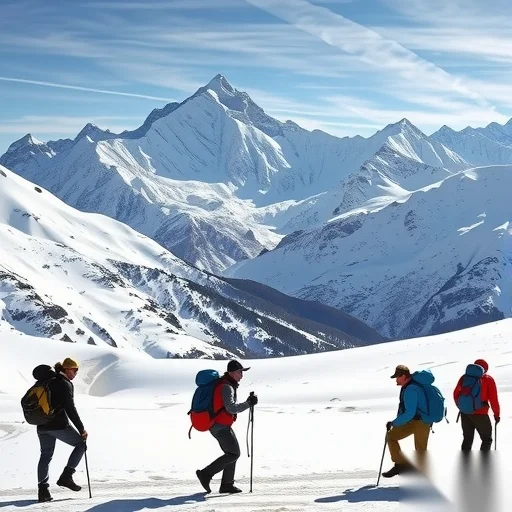
Everest Base Camp (EBC) is one of the most iconic trekking destinations in the world, offering breathtaking views of the Himalayas, cultural immersion in Tibetan communities, and a sense of achievement for adventurers. If you’re wondering how to plan a perfect trek to Everest Base Camp, the answer lies in careful preparation, understanding the essentials, and following a well-structured itinerary. This guide will walk you through everything you need to know to make your EBC trek safe, enjoyable, and unforgettable.
Trekking to Everest Base Camp is not just about the physical challenge—it’s also about respecting the environment, local culture, and your own limits. The journey involves navigating through remote mountain villages, crossing high passes, and dealing with unpredictable weather. To ensure a smooth experience, it’s crucial to plan ahead, understand the logistics, and be prepared for the altitude and terrain.
The first step in planning your EBC trek is to choose the right route. The most popular route is the classic South Col trek, which starts from Lukla and follows the Dudh Koshi River. This route offers a well-maintained trail, reliable accommodation, and stunning views of the Himalayas. Alternatively, the Longer South Col route or the West Side route may be suitable for those seeking a more extended or less crowded experience. Each route has its own challenges and rewards, so it’s important to research and select one that aligns with your fitness level and time frame.
Another key consideration is the timing of your trek. The best months to visit Everest Base Camp are from March to May and September to November. During these periods, the weather is generally more stable, and the skies are clear, offering optimal views of the mountains. Avoid trekking during the monsoon season (June to August), as heavy rainfall and landslides can make the trail dangerous and uncomfortable. Additionally, the winter months (December to February) can be extremely cold, with snow-covered trails and limited access to lodges.
Proper preparation is essential for a successful EBC trek. This includes physical training, packing the right gear, and obtaining necessary permits. Physical training should focus on building endurance and strength, as the trek involves long days of walking at high altitudes. Packing the right gear, such as waterproof clothing, sturdy hiking boots, and a reliable backpack, will help you stay comfortable and safe during the journey. Additionally, you’ll need to obtain a Sagarmatha National Park Permit and a Trekking Permit from the Nepal Tourism Board, which are required for all trekkers.
The trek itself is a mix of cultural experiences and natural beauty. As you travel from Lukla to Phakal, you’ll pass through small villages where you can experience the local lifestyle, visit monasteries, and interact with the friendly Sherpa people. The highlight of the trek is reaching Everest Base Camp, where you’ll be rewarded with panoramic views of the world’s highest mountain. However, it’s important to take your time, rest when needed, and listen to your body to avoid altitude sickness.
To illustrate the importance of preparation, consider the case of a group of trekkers who planned their EBC journey meticulously. They researched the best route, trained for several months, and packed all the necessary gear. They also hired a local guide, which proved invaluable in navigating the trail and ensuring their safety. As a result, they had a smooth and enjoyable trek, reaching Everest Base Camp without any major issues.
One of the most rewarding aspects of trekking to Everest Base Camp is the opportunity to connect with the local culture. Along the trail, you’ll encounter Buddhist monasteries, prayer flags, and traditional Tibetan homes. These cultural elements add depth to the trekking experience and provide a unique perspective on the region’s history and traditions.
It’s also important to be mindful of the environment and follow Leave No Trace principles. The trail is fragile, and the high altitude makes it difficult for the ecosystem to recover from human impact. By minimizing waste, avoiding littering, and respecting local customs, you can help preserve the natural beauty of the region for future generations.
For those who are new to trekking, it’s advisable to start with shorter treks or acclimatization trips to build up their fitness and adapt to the altitude. Acclimatization is crucial for avoiding altitude sickness, and it’s recommended to take a few days to rest and adjust at higher altitudes before continuing the trek.
In summary, planning a perfect trek to Everest Base Camp requires careful preparation, understanding of the route and timing, and respect for the environment and local culture. With the right



Comments
Anonymous
The article gives a great overview of what to expect on the EBC trek. I'm planning to go next year and this guide will definitely help me prepare.
Anonymous
I've done some research before, but this article covers all the essential tips from planning to packing. It's a must-read for first-timers.
Anonymous
The cultural immersion part really caught my attention. I'm looking forward to experiencing the local communities along the trail.
Anonymous
This is exactly the kind of detailed guide I needed. I'll be sharing it with my friends who are also interested in trekking to Everest Base Camp.