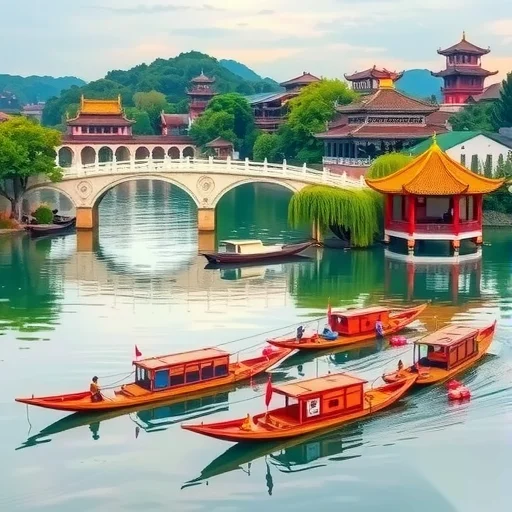
Traveling to East China is a dream for many, but with its vast geography and diverse attractions, it’s easy to feel overwhelmed. The key to a smooth and enjoyable trip lies in planning an efficient itinerary that balances sightseeing, culture, and comfort. Whether you’re a first-time visitor or a seasoned traveler, this guide will help you unlock the best of East China without wasting time or money.
East China is a region rich in history, natural beauty, and modern urban life. From the ancient temples of Hangzhou to the futuristic skyline of Shanghai, there’s something for every traveler. However, without a clear plan, you might miss out on the must-see sights or end up stuck in traffic. The solution is to create a well-structured itinerary that prioritizes your interests, saves time, and ensures a seamless journey.
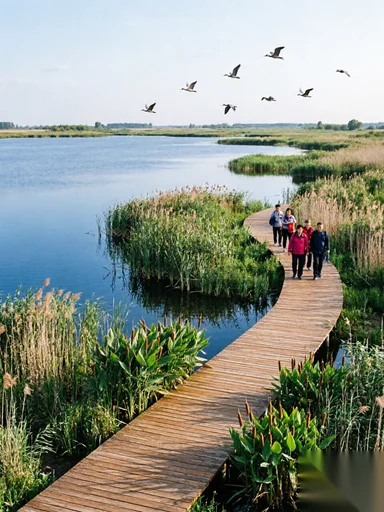
To start, identify your travel goals. Are you interested in history, nature, or modern city life? Once you have a clear idea, you can select the most relevant destinations. For example, if you love nature, include Hangzhou’s West Lake and the scenic countryside of Wuzhen. If you’re into culture, Shanghai’s museums and Suzhou’s classical gardens should be on your list.
Next, consider the best time to visit. East China experiences distinct seasons, and each has its own charm. Spring (March to May) is ideal for sightseeing, with pleasant weather and blooming flowers. Summer (June to August) can be hot and humid, but it’s the perfect time to enjoy water activities in Hangzhou or the coastal areas of Zhejiang. Autumn (September to November) offers mild weather and colorful landscapes, while winter (December to February) is great for exploring the bustling cities and enjoying festive events.
Once you’ve set your dates and interests, it’s time to plan the route. Start with the major cities like Shanghai, Hangzhou, and Nanjing, which are well-connected by high-speed trains and flights. From there, you can branch out to nearby destinations like Wuzhen, Suzhou, or Jiuzhaigou Valley. It’s important to allocate enough time for each place to fully experience its highlights without feeling rushed.
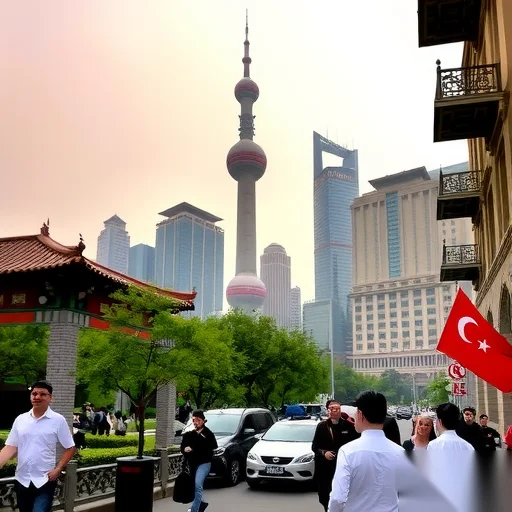
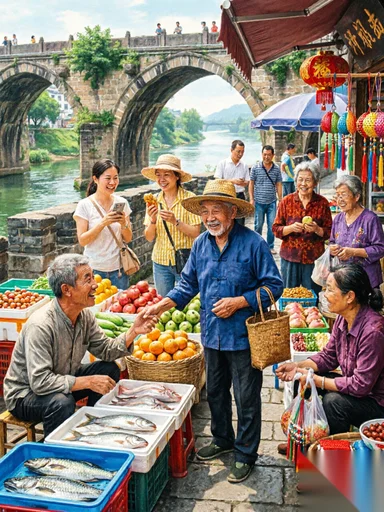
For a practical example, let’s say you’re planning a 7-day trip. Day 1 could be spent exploring Shanghai, visiting landmarks like the Bund, Yu Garden, and the Shanghai Museum. Day 2 could take you to Hangzhou, where you can relax by West Lake and visit the iconic Lingyin Temple. Days 3 and 4 could be dedicated to Wuzhen, where you can wander through the ancient water towns and enjoy local cuisine. Days 5 and 6 could focus on Suzhou, with visits to classical gardens like the Humble Administrator’s Garden. Finally, Day 7 could be spent in Nanjing, exploring the city’s historical sites and modern attractions.
In addition to planning the route, it’s essential to book accommodations and transportation in advance. East China has a wide range of options, from luxury hotels in Shanghai to budget-friendly guesthouses in Wuzhen. High-speed rail is the best way to travel between cities, offering convenience and comfort. Always check for early bird tickets and discounts to save money.
Lastly, don’t forget to pack appropriately. East China has a temperate climate, but weather can vary by region. Light clothing is suitable for most areas, but you should bring a jacket for cooler mornings or evenings. Also, make sure to carry travel documents, insurance, and a reusable water bottle to stay hydrated.


Comments
Anonymous
The tips on booking in advance and packing are invaluable. I never thought about the weather differences between cities, but it makes sense. Thanks for the advice!
Anonymous
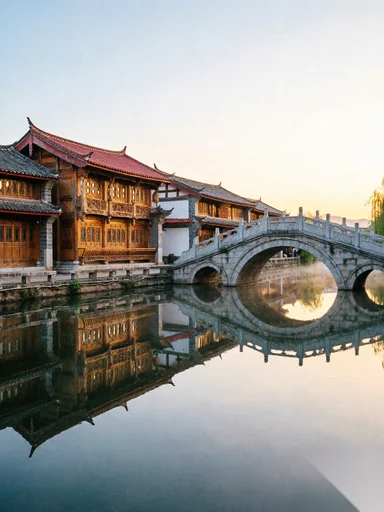
The image of West Lake is amazing! It really captures the beauty of East China. I can't wait to visit.
Anonymous
This itinerary is so well-structured and easy to follow! I especially love the example of a 7-day trip—it gives me a clear idea of how to plan my own.