
Foraging for wild vegetables is more than just a fun outdoor activity—it’s a way to connect with nature, enjoy fresh, organic food, and explore hidden gems in your local environment. If you’re wondering how to plan a successful wild vegetable foraging trip, the answer lies in preparation, knowledge, and safety. This guide will walk you through everything you need to know to start your own wild vegetable foraging adventure.
Before you head out, it’s essential to understand what wild vegetables are safe to eat and which ones are not. Many plants look similar but can be toxic or even deadly if consumed. For example, the dandelion is safe and nutritious, while the look-alike death cap mushroom can be fatal. Learning to identify edible plants is the first step in any foraging journey. You can start by researching local flora, using field guides, or taking a guided tour with an expert.
Next, plan your foraging route carefully. Choose areas that are not contaminated by pollution, pesticides, or heavy traffic. National parks, nature reserves, and rural forests are usually safe options. Always check local regulations to ensure foraging is allowed in the area you’re visiting. Some places may require permits, while others might have seasonal restrictions. It’s also a good idea to inform someone about your plans, including your route and expected return time.
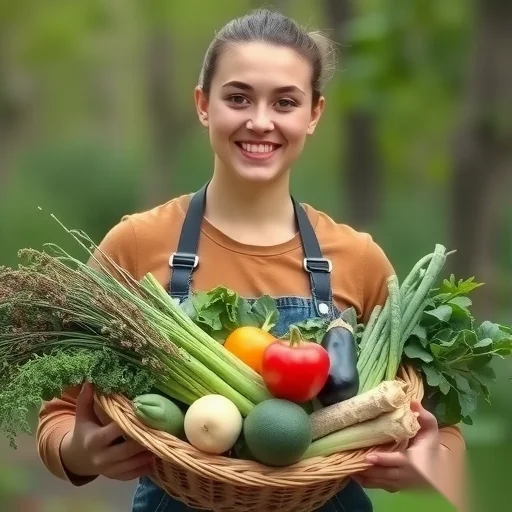
Once you’re in the field, bring the right tools and equipment. A sturdy basket or bag for collecting your finds, a knife or pruning shears for cutting, and a notebook or smartphone with a plant identification app can make your foraging experience more efficient and enjoyable. Don’t forget to wear comfortable clothing, sturdy shoes, and a hat for sun protection. Hydration is also key—carry plenty of water, especially if you’re foraging in hot weather or for an extended period.
When you find a wild vegetable, take your time to examine it closely. Look for signs of damage, insects, or disease, which can indicate the plant is not safe to eat. Some plants have distinct features, like the bright yellow flowers of dandelions or the curly leaves of watercress. If you’re unsure, it’s better to leave it and move on. Safety should always be your top priority.
Let’s take a real-life example. Imagine you’re foraging in a forest near a river. You come across a patch of curly, green leaves growing near the water’s edge. You recognize it as watercress, a common and safe edible plant. You carefully pick a few leaves, wash them, and later enjoy them in a salad. This experience not only gives you a taste of nature’s bounty but also teaches you to appreciate the subtle details of the environment around you.
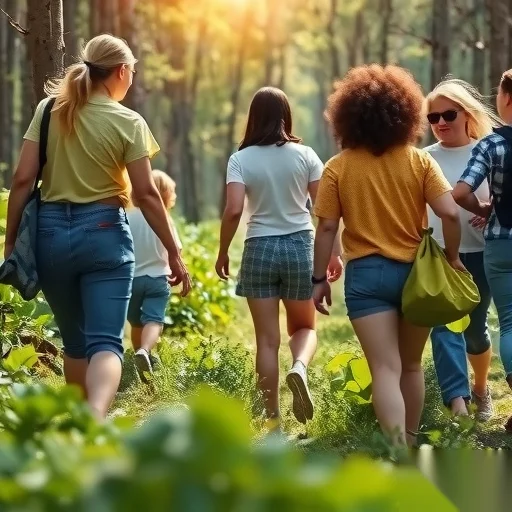
Foraging can also be a great way to bond with family or friends. Whether you’re cooking a meal together or sharing your findings, the activity fosters connection and creates lasting memories. It’s also an opportunity to learn about the ecosystem and the importance of preserving natural habitats. By foraging responsibly, you contribute to sustainable practices and help protect the environment for future generations.
In addition to the fun and educational aspects, foraging can also be a cost-effective way to enjoy fresh, organic food. Many wild vegetables are rich in nutrients and can be used in various recipes, from soups to stir-fries. By foraging, you not only save money but also support your health and well-being.
If you’re new to foraging, start small and gradually build your knowledge. Begin with plants you’re most familiar with, and expand your collection as you become more confident. Joining local foraging groups or taking workshops can also provide valuable insights and opportunities to learn from experienced foragers.
Finally, always remember to forage ethically. Take only what you need, avoid overharvesting, and respect the environment. Leave the area as you found it, and never take plants from protected areas or private property without permission. By following these principles, you ensure that wild vegetable foraging remains a sustainable and enjoyable activity for everyone.

Comments
Anonymous
I’ve never foraged before, but this article made it seem so accessible. I’m excited to try some of the plants mentioned in my local park.
Anonymous
This guide is super helpful! I’m planning a weekend trip and this gives me a great starting point. I’ll definitely bring my field guide and a basket.